


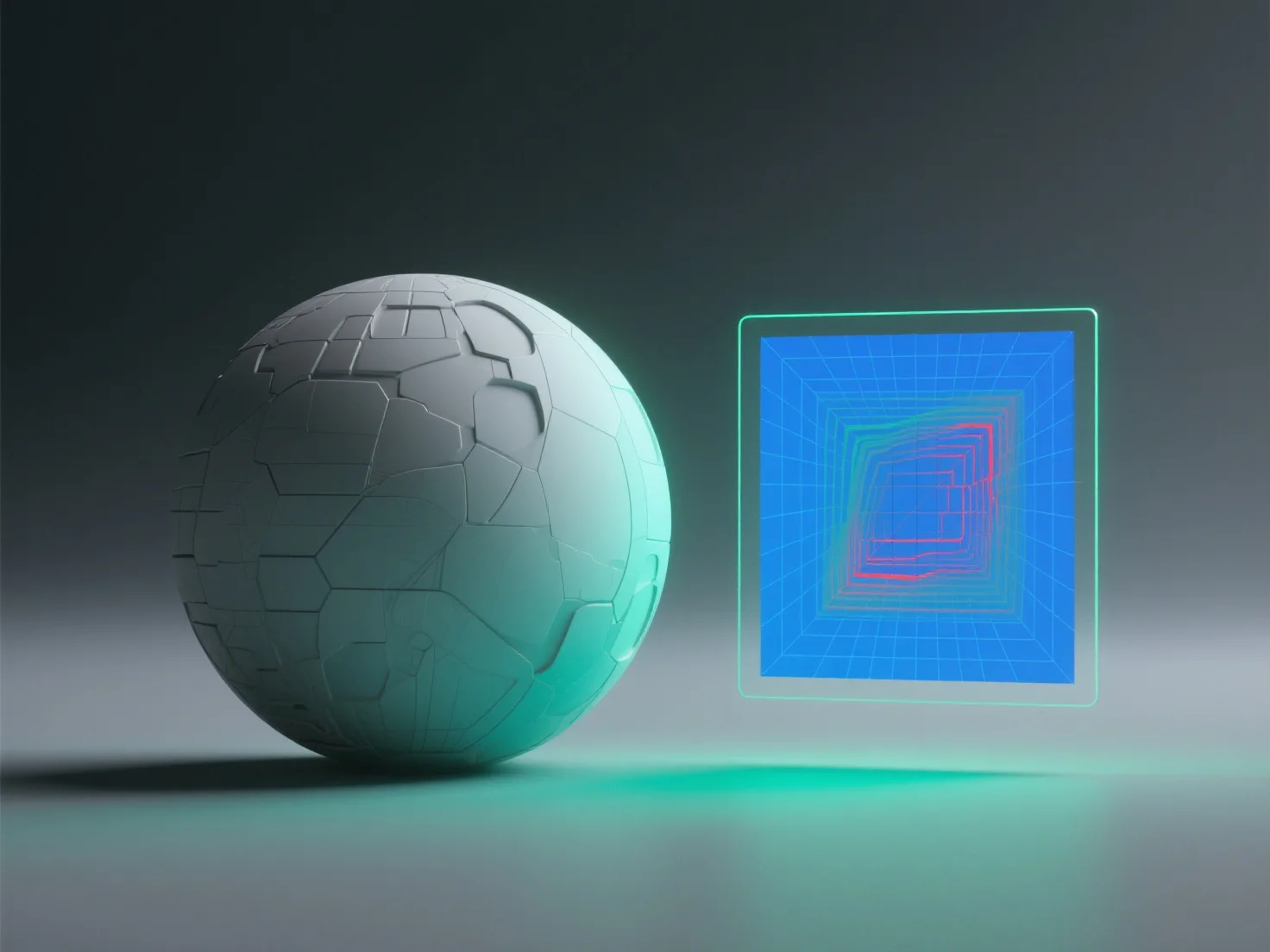
Звичайна карта в 3D-текстуруванні — це текстура, яка імітує деталі поверхні шляхом кодування векторів напрямку, змінюючи те, як світло відбивається від 3D-моделі, щоб створити ілюзію глибини без збільшення кількості полігонів.
- **Основний механізм**: Він використовує значення кольорів RGB для представлення нормалей поверхні (червоний для вісі Х, зелений для вісі Y, синій для векторів напряму вісі Z), визначаючи, як світло взаємодіє з поверхнею моделі. - **Ключова перевага**: Додає дрібні деталі, такі як нерівності, канавки або складні текстури, до моделей з низькою полігональністю, уникаючи необхідності використовувати геометрію з високою полігональністю. Це забезпечує швидкий рендеринг і невеликий розмір файлів.
Коротко кажучи, нормальні карти ефективно покращують візуальну реалістичність, балансуючи деталі та продуктивність у 3D-текстуруванні.