


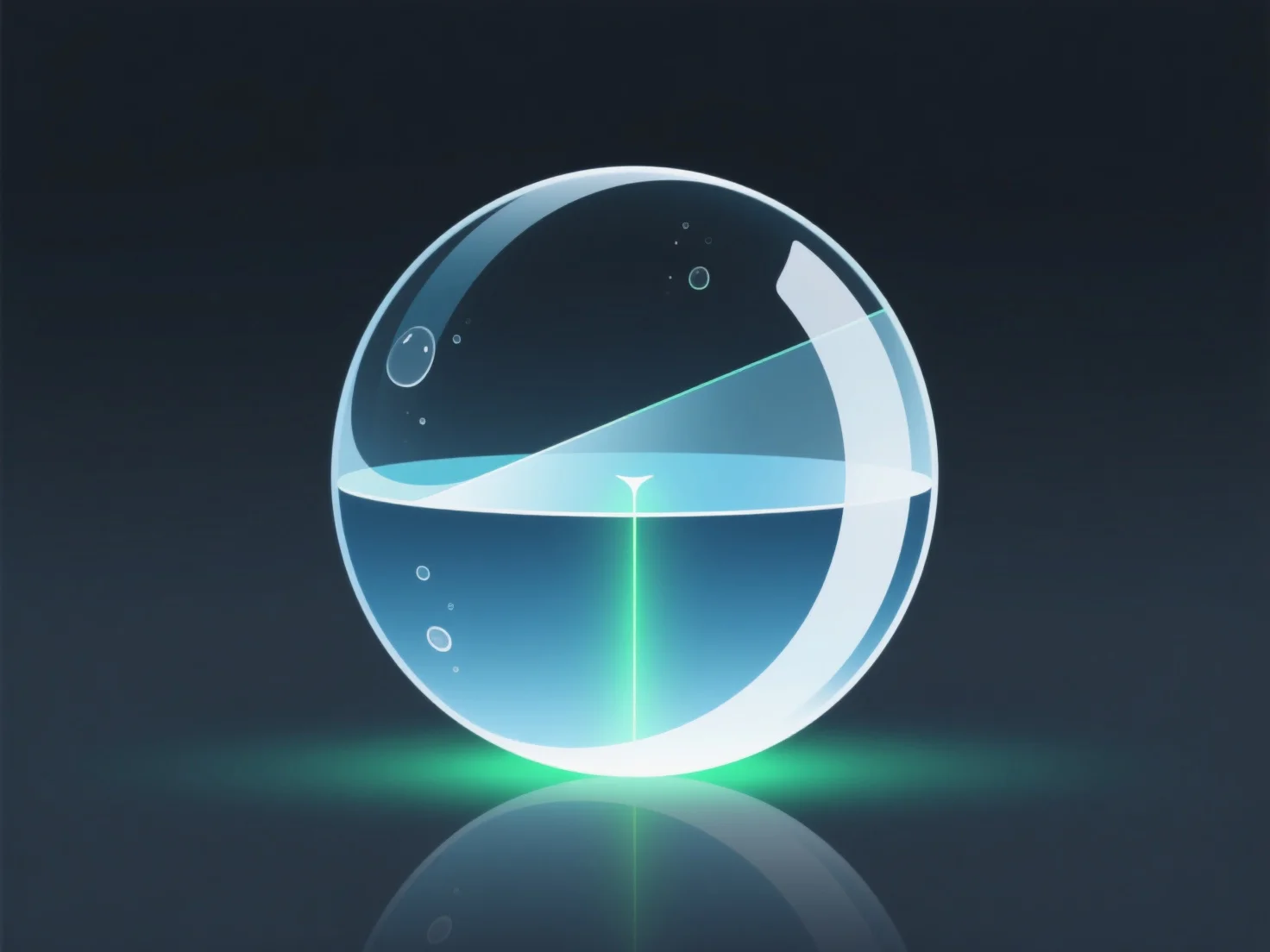
Відбиття та заломлення впливають на процес рендерингу, імітуючи взаємодію світла з поверхнею, що вимагає трасування променів для відображення відскоку світла (відбиття) або його заломлення (рефракція), підвищуючи реалізм, але збільшуючи обчислювальну складність.
- **Покращення реалізму**: Вони імітують поведінку світла у реальному світі. Відображення створюють дзеркальні або глянцеві поверхні (наприклад, метал, дзеркала), а рефракції імітують прозорі/напівпрозорі ефекти (наприклад, скло, вода), роблячи сцени більш реалістичними. - **Обчислювальні вимоги**: Відображення цих ефектів вимагає простеження декількох шляхів світла, оскільки кожне відображення/рефракція відбивають світло у нових напрямках, збільшуючи кількість оброблюваних променів і, відповідно, час рендерингу.
Загалом, вони надзвичайно важливі для реалістичної візуалізації, але вимагають додаткової обробки для точного відображення взаємодії світла.