


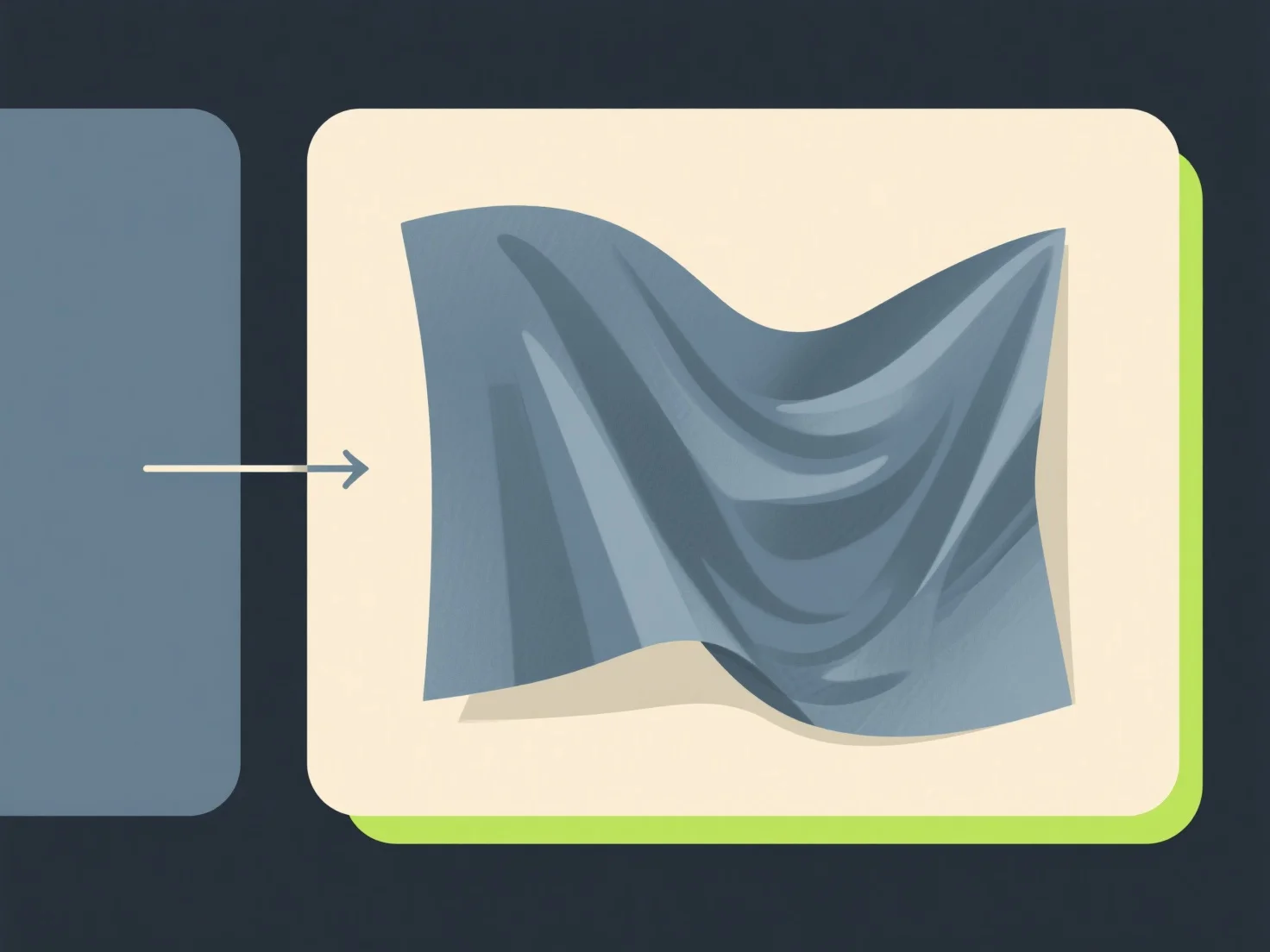
Simular dobras e rugas de tecido em modelos 3D utiliza principalmente motores de simulação de tecido baseados em física para imitar o comportamento do tecido no mundo real, gerando vincos naturais através de forças calculadas e propriedades do material.
Os principais passos incluem: - **Cálculo do motor de física**: Os motores calculam forças como a gravidade, a tensão e o atrito, combinadas com as propriedades do tecido (por exemplo, rigidez, elasticidade), para simular a deformação. - **Configuração de parâmetros**: A definição de variáveis, como a espessura do material e as pressões aplicadas, controla a forma como o tecido se dobra ao longo do tempo. - **Ferramentas para iniciantes**: Software com simulação de tecido integrada.
Este método garante um comportamento realista e dinâmico do tecido em modelos 3D.