Home/Hitem3D FAQ/How do rigs and bones contribute to character animation in 3D models?

How do rigs and bones contribute to character animation in 3D models?

Rigs and bones form a hierarchical system linking a 3D model’s mesh to a skeleton for precise, lifelike movement.

How do rigs and bones contribute to character animation in 3D models?

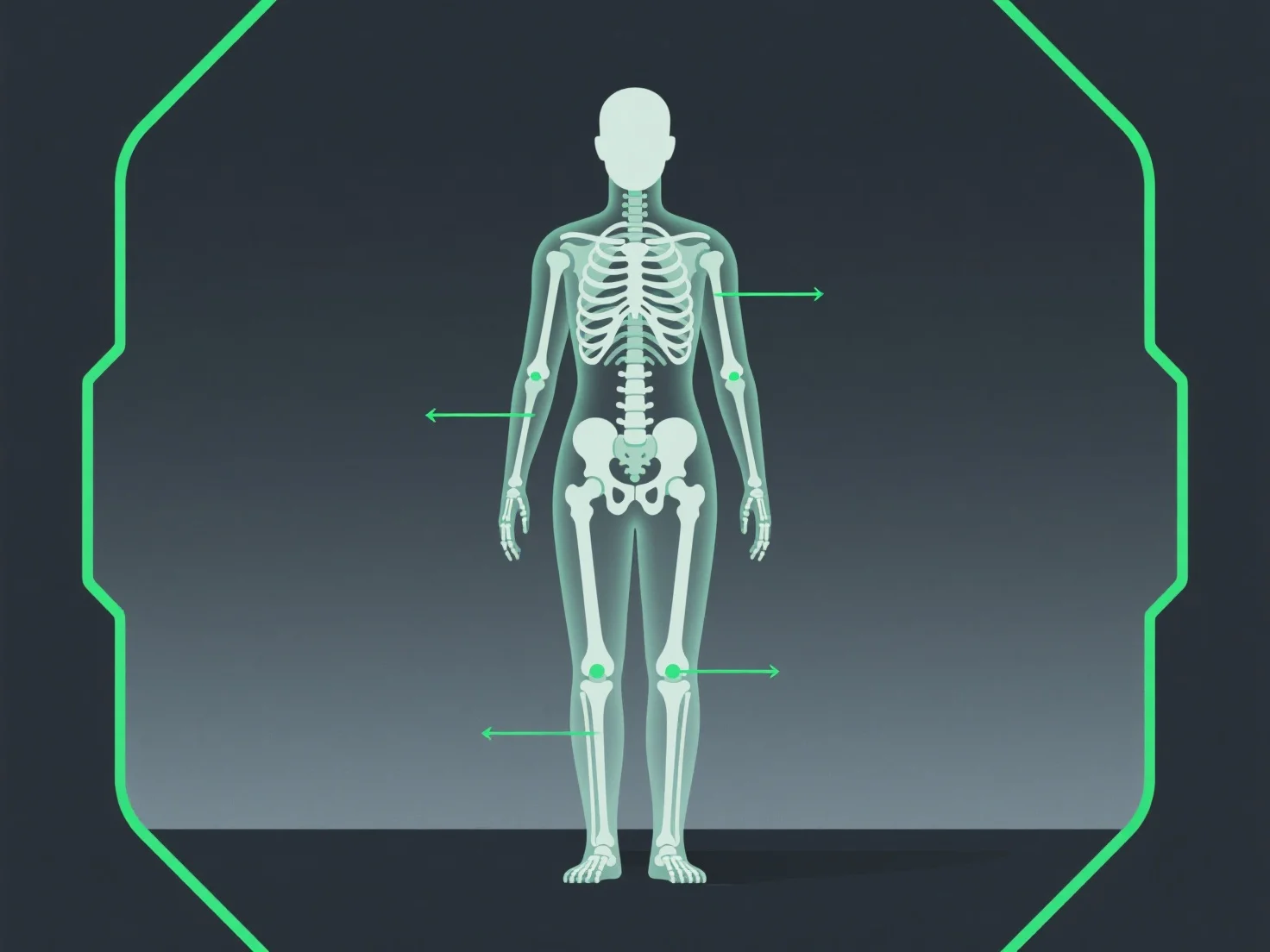
Rigs and bones contribute to 3D character animation by forming a hierarchical control system that links the model’s mesh to an underlying skeletal structure, enabling precise, lifelike movement manipulation.

Bones replicate the character’s skeleton, with joints (e.g., elbows, knees) allowing natural bending and rotation—this mimics real anatomy, serving as the foundation for authentic motion.

Rigs act as the animator’s interface, translating bone adjustments into mesh movement. When a bone is moved, the attached mesh follows, making it possible to create fluid animations (walking, gesturing, facial expressions) by controlling key skeletal points.

PreviousNext
Produto
Web Studio
Plataforma API
Recursos
Imagem para 3D
Multivisualização para 3D
Relevo
Segmentação
Modelos
Modelo geral
Modelo de retrato
Recursos
Blog
Perguntas frequentes
Documentação da API
Sobre nós
Preços