Home/Hitem3D FAQ/How do bottleneck roles limit throughput in 3D pipelines?

How do bottleneck roles limit throughput in 3D pipelines?

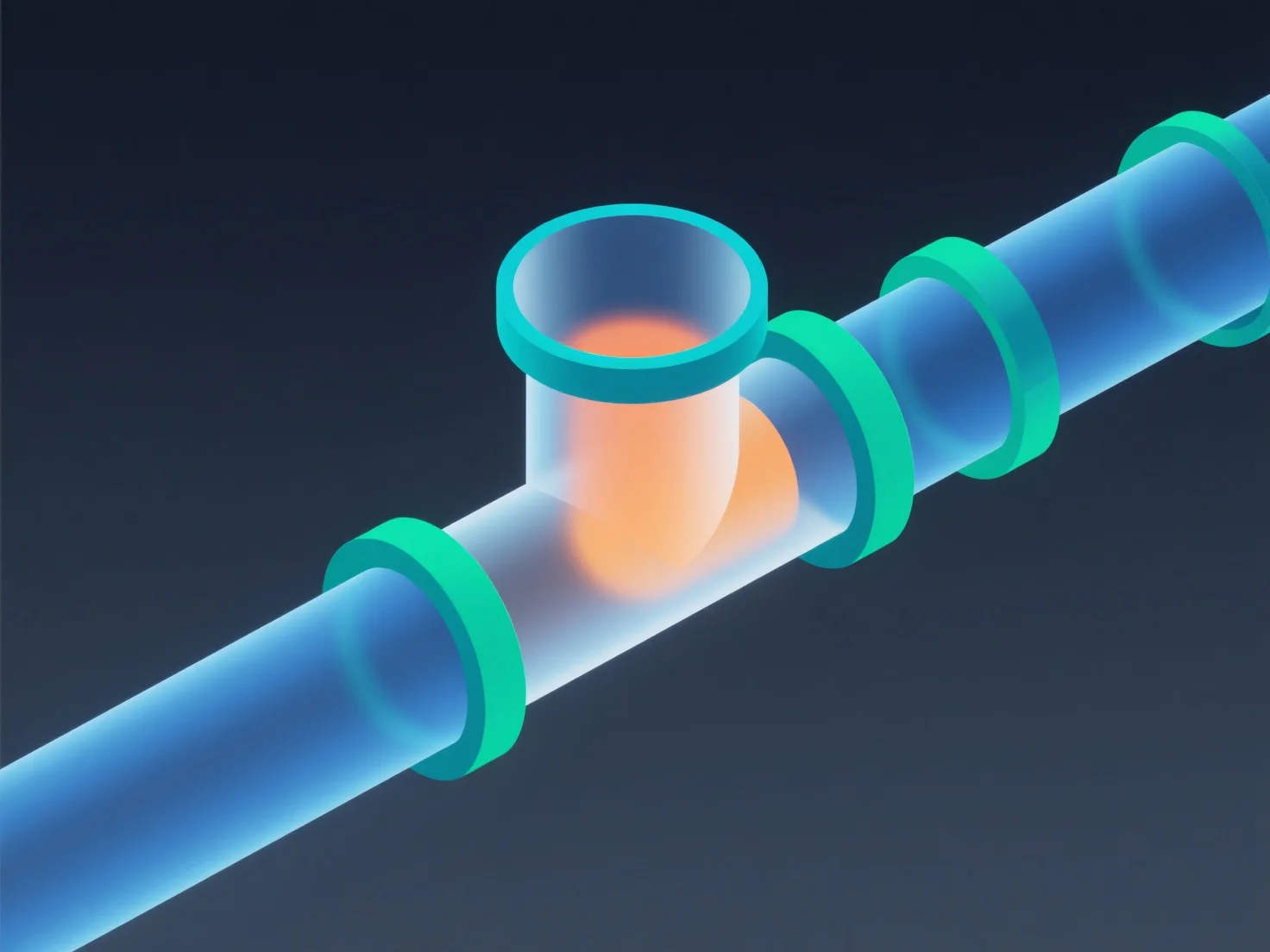
Bottleneck roles in 3D pipelines restrict throughput via capacity overload, resource gaps, and dependency chokepoints, causing delays.

How do bottleneck roles limit throughput in 3D pipelines?

Bottleneck roles in 3D pipelines limit throughput by acting as workflow constraints when their processing capacity is outpaced by upstream stages, causing delays.

Key ways they restrict throughput include: - **Capacity overload**: Roles like modeling or texturing may receive tasks faster than they can complete, leading to backlogs. For example, if texture artists lag, modeled assets pile up, stalling animation. - **Resource gaps**: Understaffed teams (e.g., riggers) slow handoffs, as upstream tasks accumulate while downstream stages (animation) wait idle. - **Dependency chokepoints**: Critical roles (e.g., asset approval) with no backups become bottlenecks if unavailable, halting the entire pipeline’s progress.

These issues create cascading delays, reducing overall pipeline efficiency and output speed.

PreviousNext
제품
웹 스튜디오
API 플랫폼
기능
이미지를 3D로
멀티뷰를 3D로
릴리프
세그멘테이션
모델
일반 모델
인물 모델
리소스
블로그
FAQ
API 문서
회사 소개
가격