Home/Hitem3D FAQ/How does skill imbalance slow down 3D workflows?

How does skill imbalance slow down 3D workflows?

Skill imbalance in 3D workflows causes delays, resource misallocation, and stage disconnects, reducing efficiency.

How does skill imbalance slow down 3D workflows?

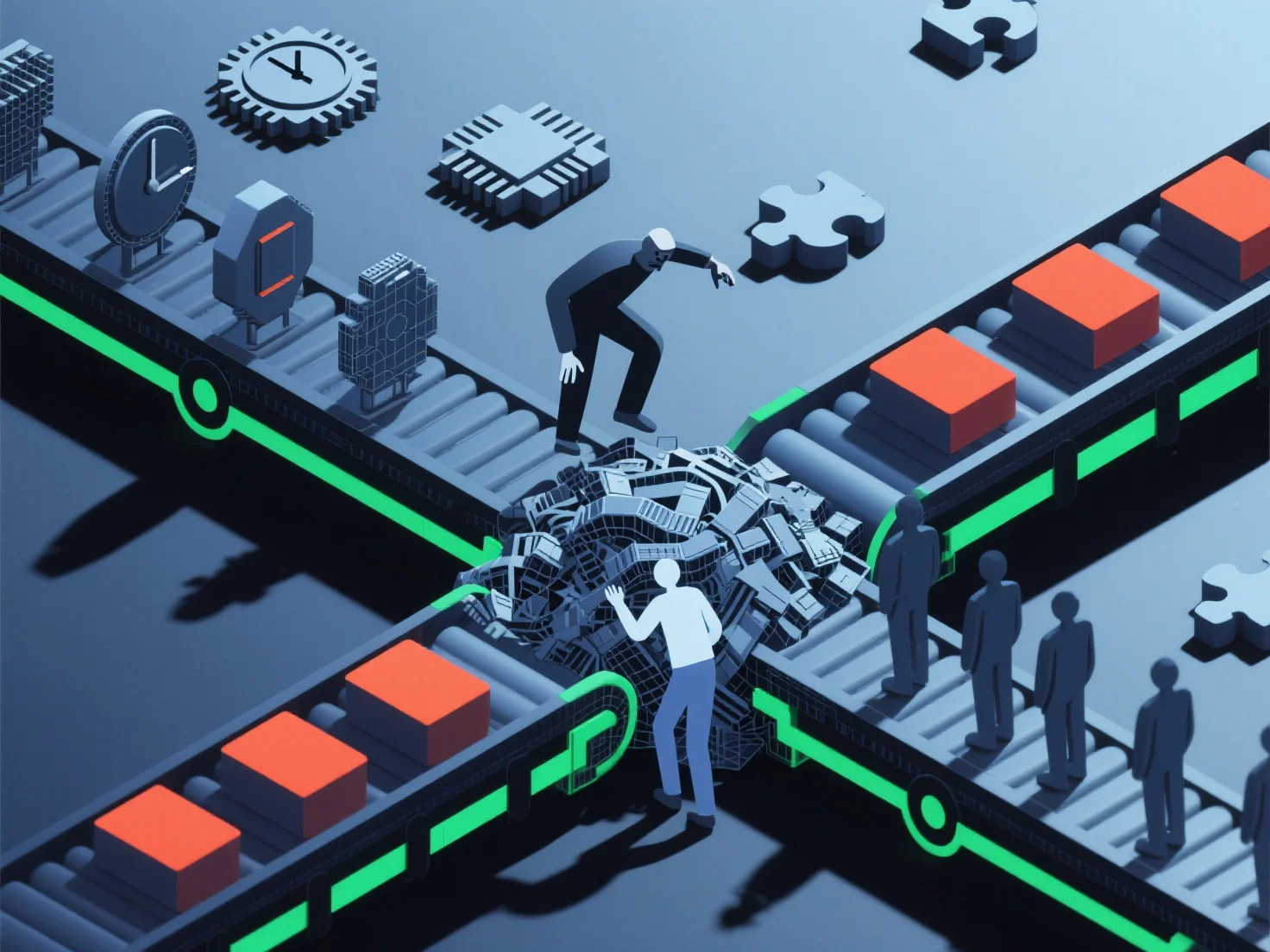
Skill imbalance slows 3D workflows by creating bottlenecks due to uneven proficiency in critical stages like modeling, texturing, or rigging, disrupting task progression and increasing delays.

- **Task delays**: Less skilled team members often take longer to complete tasks or require frequent revisions, stalling project timelines. - **Resource misallocation**: Skilled members may be overburdened with fixing errors or covering gaps, while underutilized skills lead to inefficiencies. - **Stage disconnects**: Gaps in skills between stages (e.g., poor modeling affecting texturing) break workflow continuity, requiring rework and slowing downstream steps like rendering or animation.

This imbalance disrupts the smooth flow from design to final output, significantly reducing workflow efficiency.

PreviousNext
제품
웹 스튜디오
API 플랫폼
기능
이미지를 3D로
멀티뷰를 3D로
릴리프
세그멘테이션
모델
일반 모델
인물 모델
리소스
블로그
FAQ
API 문서
회사 소개
가격