Home/Hitem3D FAQ/What are the best practices for lighting an indoor 3D scene?

What are the best practices for lighting an indoor 3D scene?

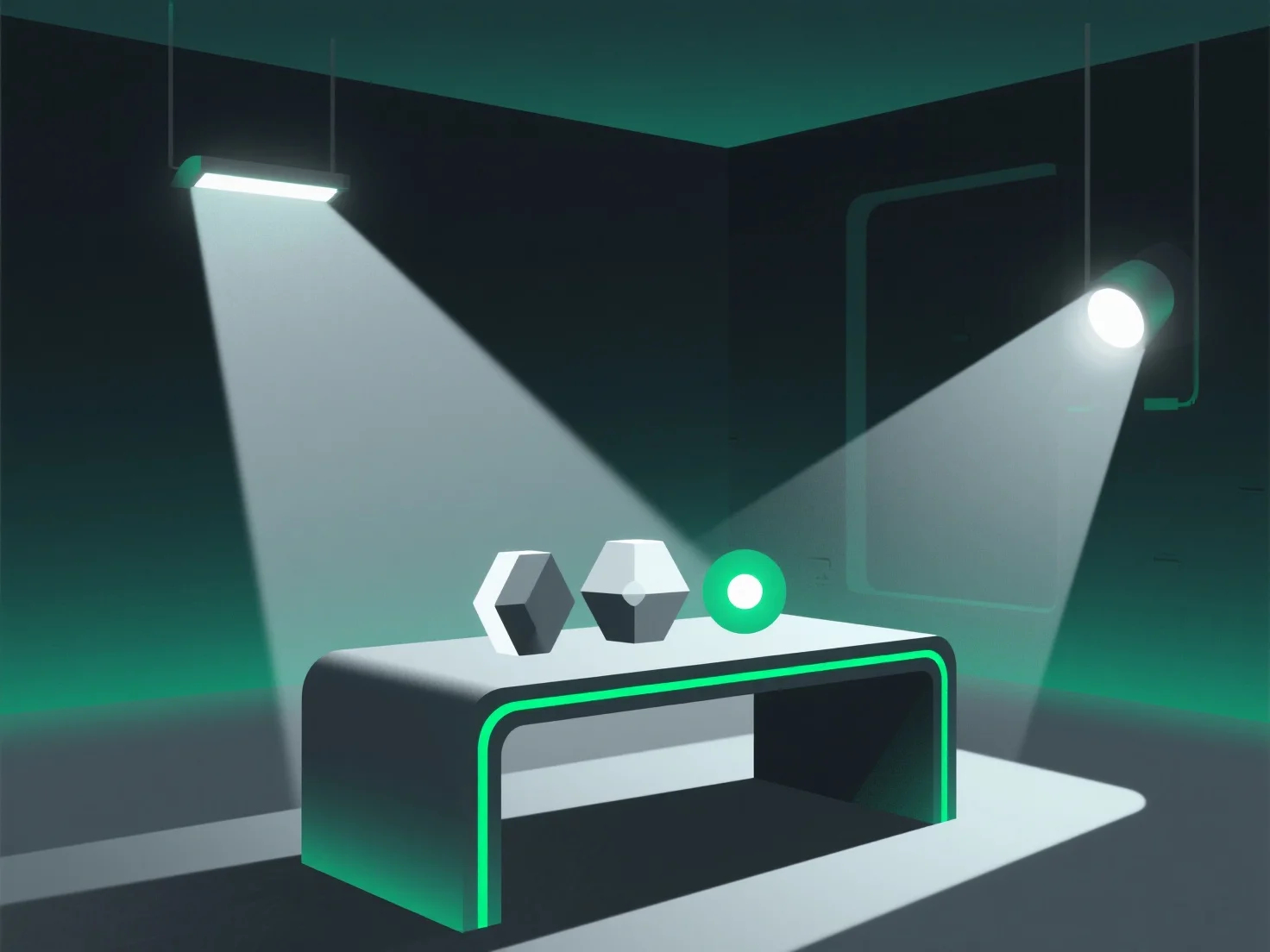
Indoor 3D scene lighting best practices mimic natural logic via key, fill, rim lights, balancing intensity/color to enhance depth and realism.

What are the best practices for lighting an indoor 3D scene?

The best practices for lighting an indoor 3D scene focus on mimicking natural logic, balancing light sources, and aligning with the scene’s purpose to enhance depth and realism.

Start with a key light (primary source) to set direction and mood—e.g., warm, diffused light for a cozy living room or cooler, directional light for a modern office.

Add fill light to soften harsh shadows, using lower intensity than the key light to maintain contrast without over-flattening the scene.

Incorporate rim light to highlight edges (e.g., furniture, character outlines), creating separation from the background and boosting depth.

Keep it simple: build gradually, adjust intensity and color temperature to match the scene’s context, and avoid overcomplicating for natural, immersive results.

PreviousNext
製品
Webスタジオ
APIプラットフォーム
機能
画像から3Dへ
マルチビューから3Dへ
リリーフ
セグメンテーション
モデル
汎用モデル
ポートレートモデル
リソース
ブログ
よくある質問
APIドキュメント
私たちについて
料金