ホーム/Hitem3D FAQ/How do reflections and refractions influence the rendering process?

How do reflections and refractions influence the rendering process?

Reflections and refractions enhance realism via light simulation but increase computational complexity in rendering.

How do reflections and refractions influence the rendering process?

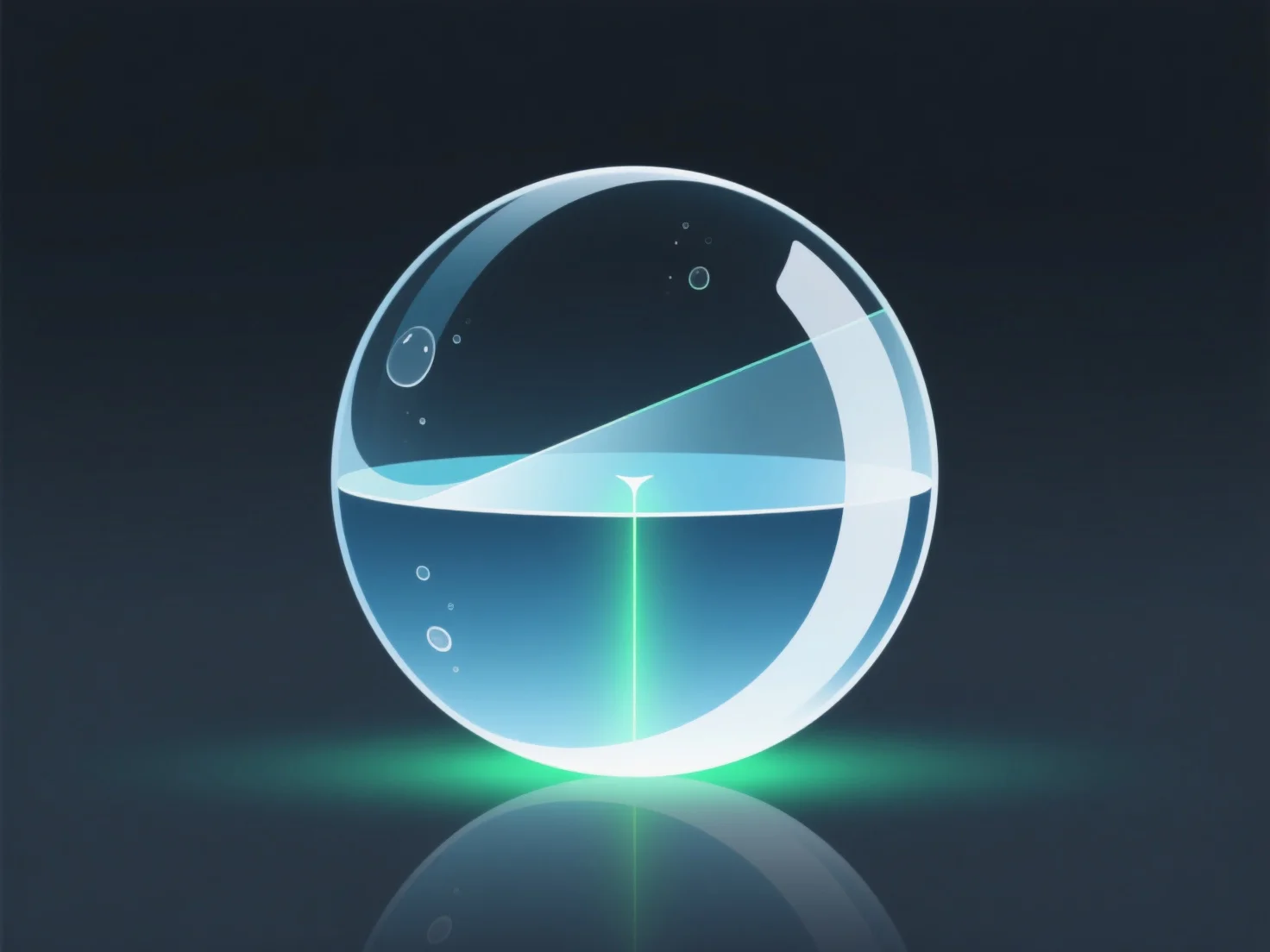
Reflections and refractions influence the rendering process by simulating light-surface interactions, requiring ray tracing to depict light bouncing (reflections) or bending (refractions), enhancing realism but increasing computational complexity.

- **Realism Enhancement**: They mimic real-world light behavior—reflections create mirrored or glossy surfaces (e.g., metal, mirrors), while refractions simulate transparent/translucent effects (e.g., glass, water), making scenes more lifelike. - **Computational Demand**: Rendering these effects requires tracing multiple light paths, as each reflection/refraction bounces light in new directions, increasing the number of rays processed and thus rendering time.

Overall, they are critical for realistic visuals but necessitate additional processing to accurately render light interactions.

前へ次へ
製品
Webスタジオ
APIプラットフォーム
機能
画像から3Dへ
マルチビューから3Dへ
リリーフ
セグメンテーション
モデル
汎用モデル
ポートレートモデル
リソース
ブログ
よくある質問
APIドキュメント
私たちについて
料金