Home/Hitem3D FAQ/How do real-time rendering engines like Unity and Unreal differ from offline renderers like V-Ray?

How do real-time rendering engines like Unity and Unreal differ from offline renderers like V-Ray?

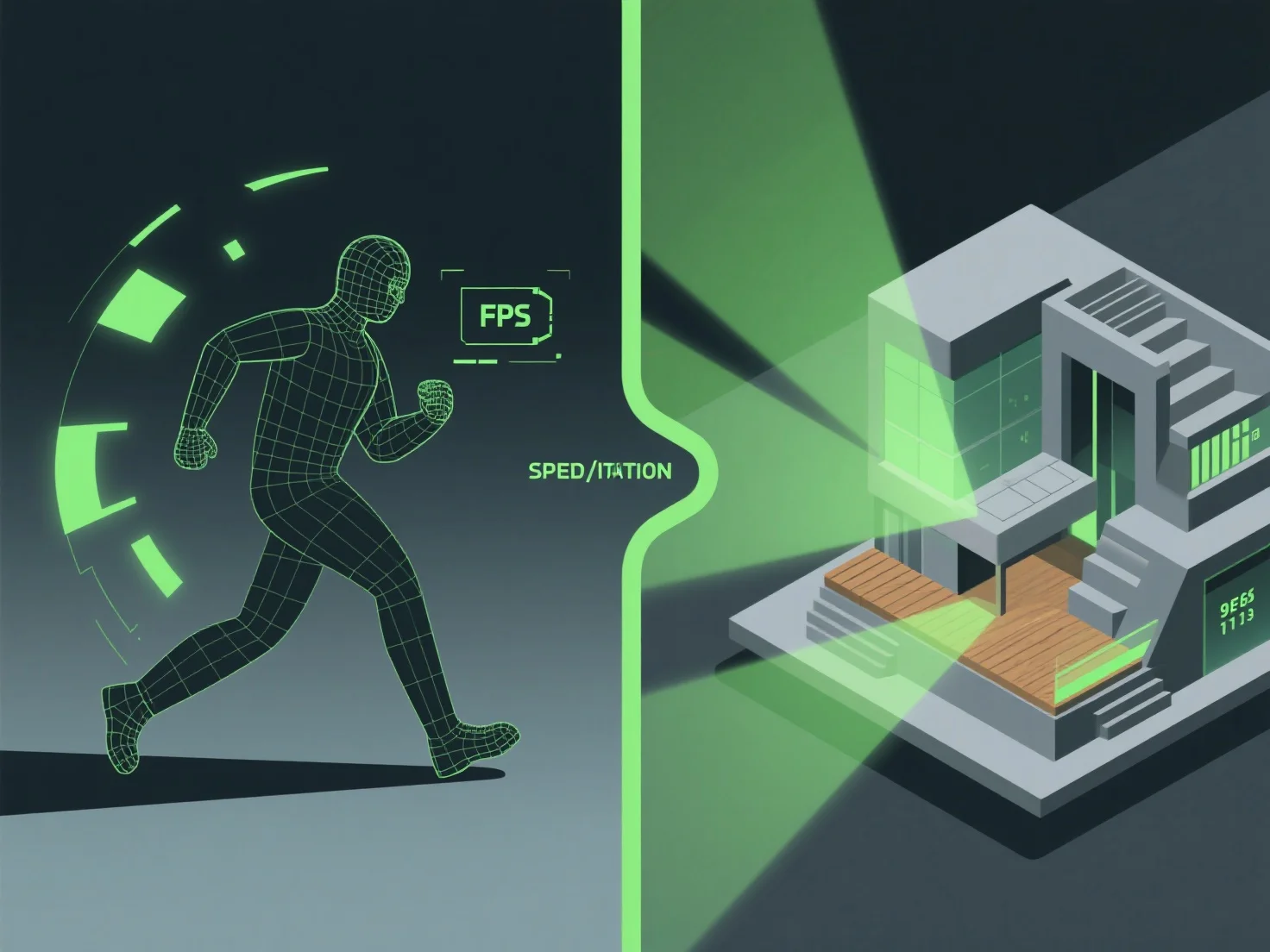
Real-time engines prioritize speed for interactivity; offline renderers focus on photorealism without needing speed.

How do real-time rendering engines like Unity and Unreal differ from offline renderers like V-Ray?

Real-time rendering engines like Unity and Unreal differ from offline renderers like V-Ray mainly in their priorities of rendering speed and visual quality.

Real-time engines prioritize speed to render frames instantly, enabling interactive experiences such as games, AR, and VR. They sacrifice some photorealistic details to maintain smooth, real-time performance.

Offline renderers, by contrast, focus on achieving photorealism with complex lighting, textures, and effects. They require hours or even days to process a single frame, making them ideal for movies, high-end animations, and product visualizations where interactivity isn’t needed.

Choose real-time engines for scenarios needing instant interaction; opt for offline renderers when cinematic, lifelike quality is the top priority.

PreviousNext
製品
Webスタジオ
APIプラットフォーム
機能
画像から3Dへ
マルチビューから3Dへ
リリーフ
セグメンテーション
モデル
汎用モデル
ポートレートモデル
リソース
ブログ
よくある質問
APIドキュメント
私たちについて
料金