Home/Hitem3D FAQ/How do 3D assets move from design to game engine implementation?

How do 3D assets move from design to game engine implementation?

3D assets move from design to game engine via creation, optimization, export, import, and in-engine setup.

How do 3D assets move from design to game engine implementation?

3D assets transition from design to game engine implementation via five key steps: creation, optimization, export, import, and in-engine setup.

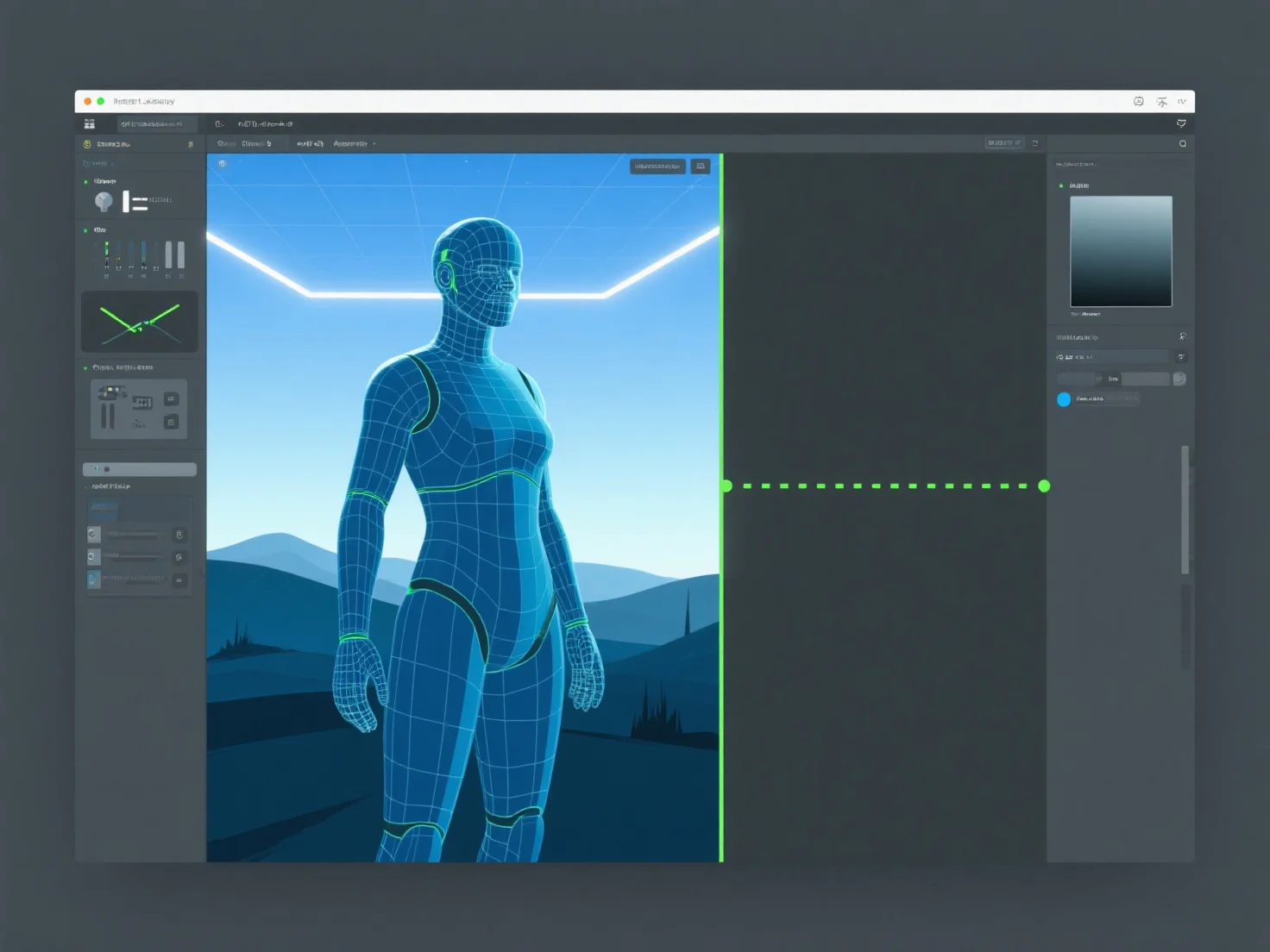
1. Creation: Assets are modeled and textured in tools like Blender or Maya, defining their shape, details, and visual appearance. 2. Optimization: Polygon counts are reduced, textures (e.g., normal maps) baked, and data streamlined to ensure engine performance. 3. Export: Saved in engine-compatible formats (FBX, GLB) to preserve geometry, textures, and animations. 4. Import: Loaded into the game engine (e.g., Unity, Unreal), with checks for asset integrity. 5. Setup: Configured with animations, collision meshes, or scripts to enable in-game interaction and functionality.

This workflow ensures 3D assets integrate smoothly into the engine, balancing quality and performance.

PreviousNext
製品
Webスタジオ
APIプラットフォーム
機能
画像から3Dへ
マルチビューから3Dへ
リリーフ
セグメンテーション
モデル
汎用モデル
ポートレートモデル
リソース
ブログ
よくある質問
APIドキュメント
私たちについて
料金