


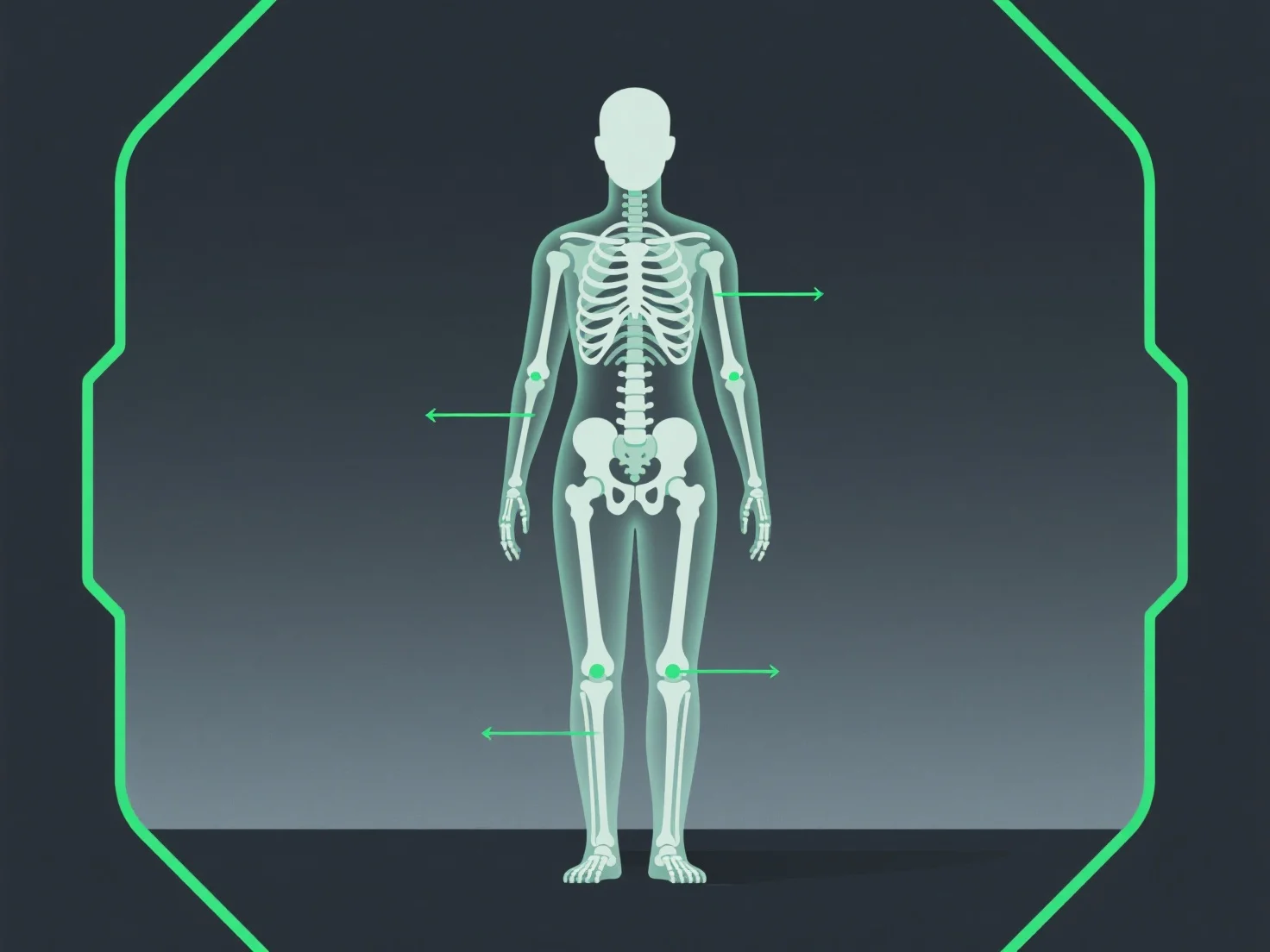
Rig dan tulang berkontribusi pada animasi karakter 3D dengan membentuk sistem kontrol hierarkis yang menghubungkan mesh model ke struktur kerangka yang mendasarinya, memungkinkan manipulasi gerakan yang tepat dan seperti aslinya.
Tulang-tulang itu mereplikasi kerangka karakter tersebut, dengan sendi-sendinya.
Rig berfungsi sebagai antarmuka bagi animator, menerjemahkan penyesuaian tulang menjadi gerakan mesh. Saat tulang digerakkan, mesh yang terpasang akan mengikuti, sehingga memungkinkan untuk menciptakan animasi yang lancar (berjalan, memberi isyarat, ekspresi wajah) dengan mengontrol titik-titik kerangka kunci.