


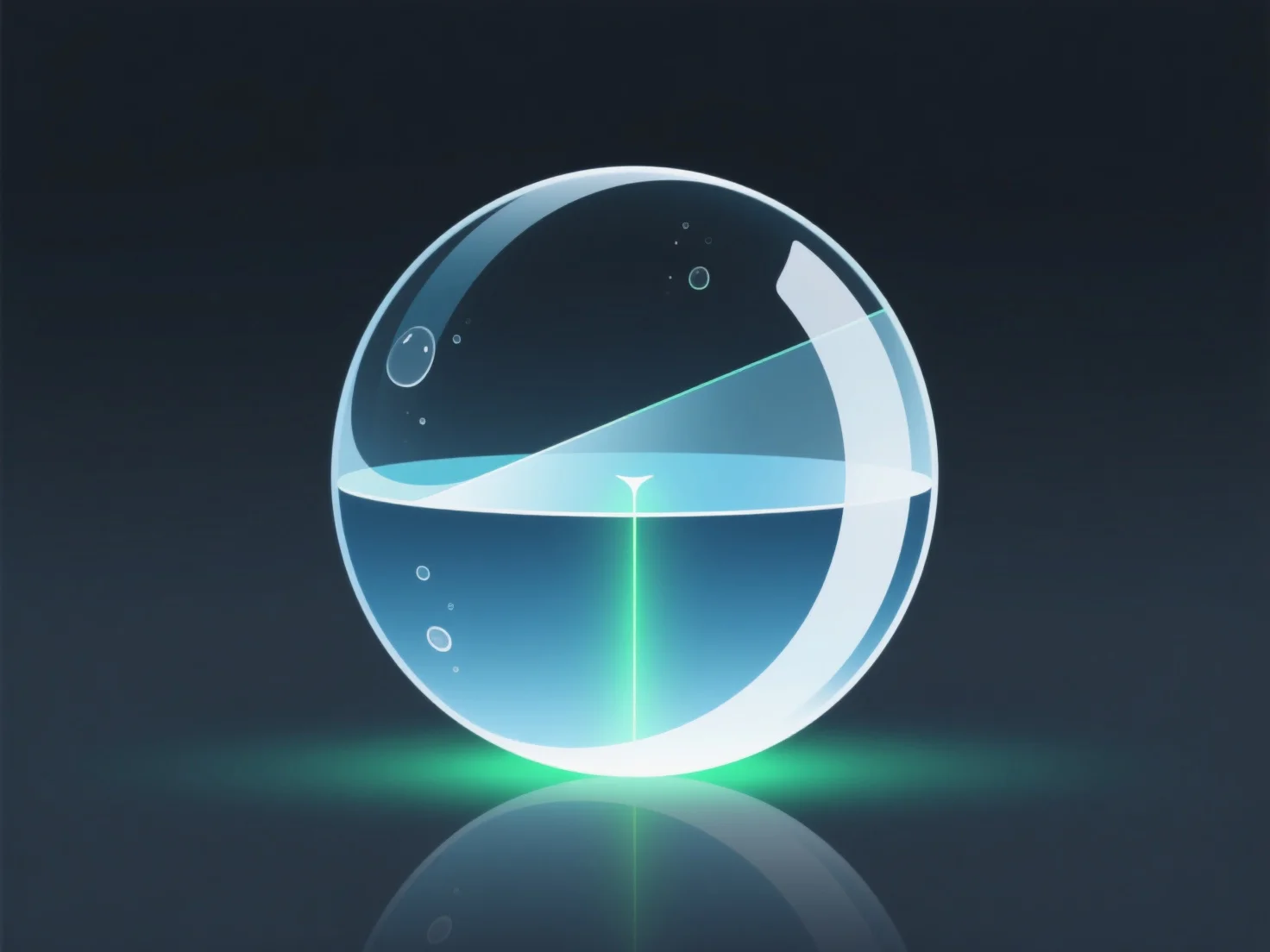
Refleksi dan pembiasan memengaruhi proses rendering dengan mensimulasikan interaksi cahaya-permukaan, yang membutuhkan pelacakan sinar untuk menggambarkan cahaya yang memantul (refleksi) atau membelok (pembiasan), meningkatkan realisme tetapi meningkatkan kompleksitas komputasi.
- **Peningkatan Realisme**: Mereka meniru perilaku cahaya di dunia nyata. Refleksi menciptakan permukaan cermin atau mengkilap (misalnya, logam, cermin), sedangkan refraksi mensimulasikan efek transparan/tembus pandang (misalnya, kaca, air), membuat adegan tampak lebih hidup. - **Permintaan Komputasi**: Membuat efek ini membutuhkan pelacakan beberapa jalur cahaya, karena setiap refleksi/refraksi memantulkan cahaya ke arah baru, meningkatkan jumlah sinar yang diproses dan dengan demikian memperpanjang waktu rendering.
Secara keseluruhan, mereka sangat penting untuk visual yang realistis, tetapi membutuhkan pemrosesan tambahan untuk merender interaksi cahaya secara akurat.