


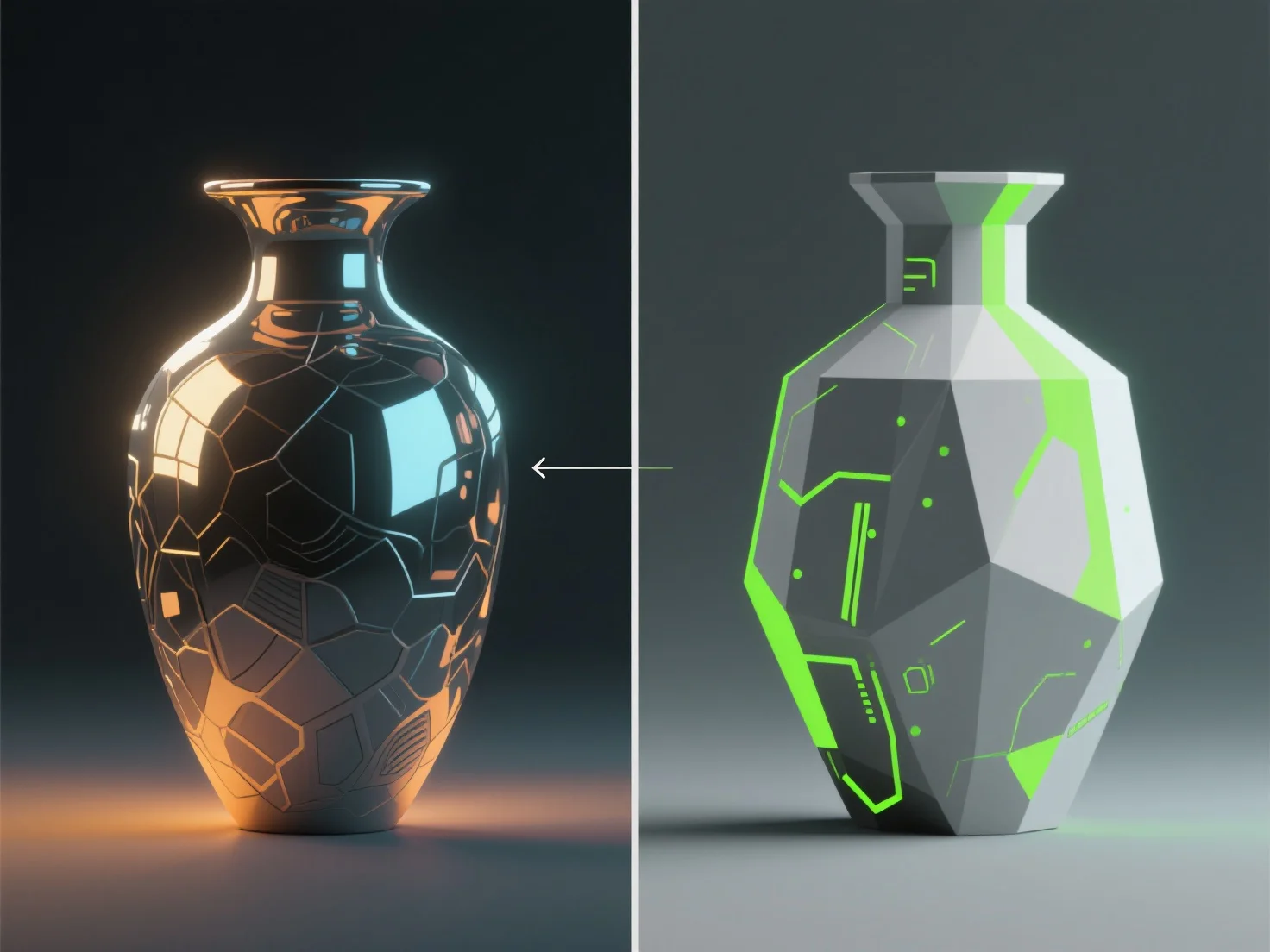
Le principal défi pour obtenir une qualité photoréaliste dans le rendu en temps réel consiste à équilibrer une fidélité visuelle élevée avec des exigences de performance en temps réel strictes (généralement 30 à 60 images par seconde), ce qui limite les ressources de calcul pour les éléments réalistes.
Les contraintes clés incluent : - Un éclairage réaliste (par exemple, l'éclairage global) et des textures haute résolution, nécessitant une mémoire GPU et un traitement importants. - Des éléments dynamiques.
Les mesures d'atténuation impliquent des optimisations telles que des modèles de niveau de détail (LOD), un éclairage précalculé ou un suréchantillonnage IA afin d'équilibrer la qualité et les performances.