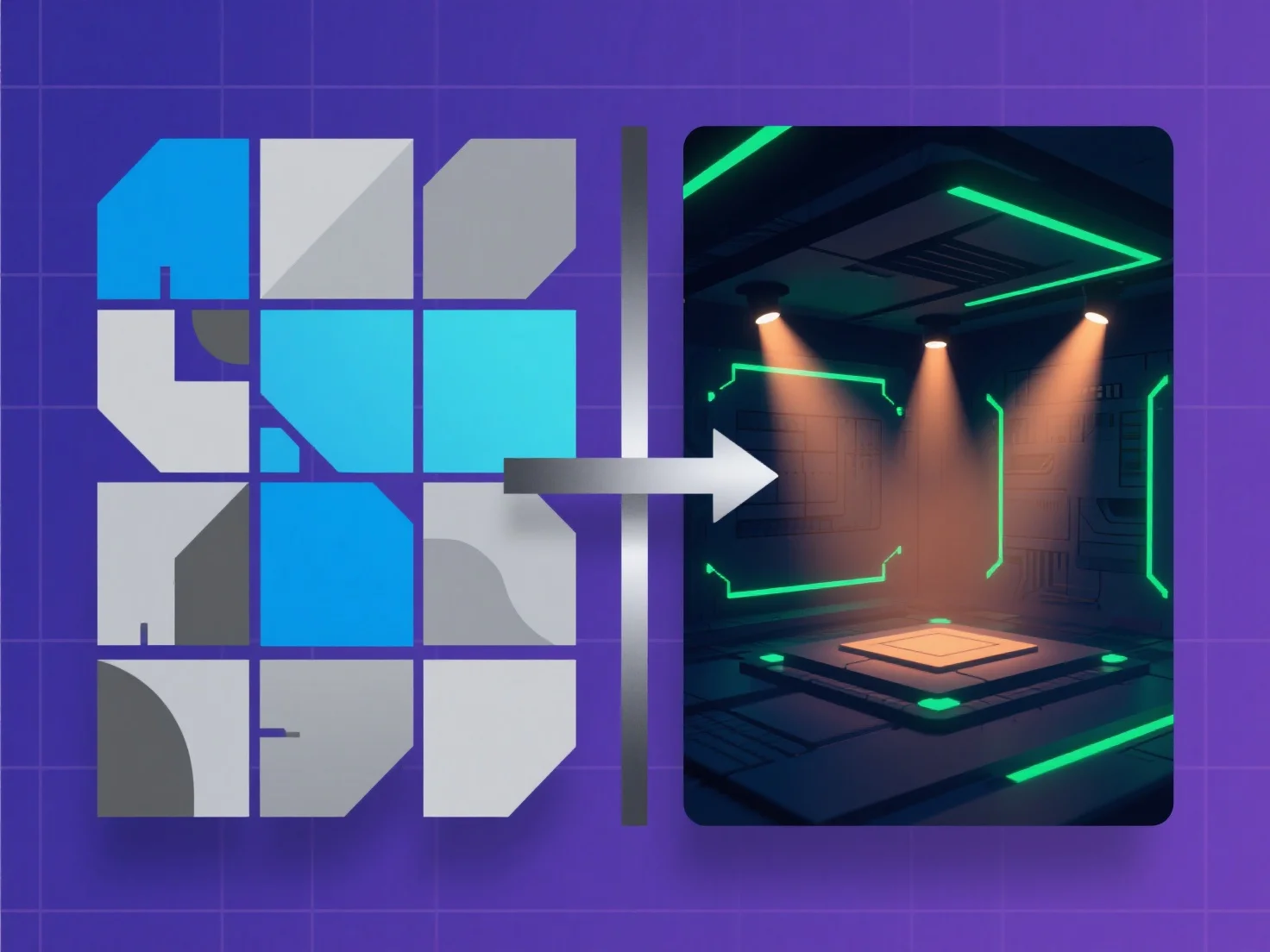
L'ombrage différé dans le rendu 3D présente principalement l'avantage de gérer efficacement les scènes complexes avec de nombreuses sources de lumière, réduisant ainsi la surcharge de rendu tout en maintenant la qualité visuelle. - Sépare le rendu de la géométrie des calculs d'éclairage : Il rend d'abord la géométrie dans un G-buffer (stockant la position, la normale, la couleur), puis applique l'éclairage dans un passage de post-traitement, évitant ainsi de retraiter la géométrie pour chaque source de lumière. - Optimise les scénarios avec plusieurs sources de lumière : Idéal pour les scènes dynamiques ou avec de nombreuses sources de lumière, car chaque lumière est calculée indépendamment dans le passage de post-traitement, réduisant ainsi la surcharge géométrique par lumière. Cela améliore les performances dans les projets nécessitant des configurations réalistes avec plusieurs sources de lumière, assurant un rendu efficace sans compromettre la fidélité visuelle.


Quels sont les avantages de l'ombrage différé dans le rendu 3D ?
L'ombrage différé optimise le rendu 3D multi-éclairage en séparant la géométrie et l'éclairage, réduisant ainsi les surcoûts tout en maintenant la qualité.