


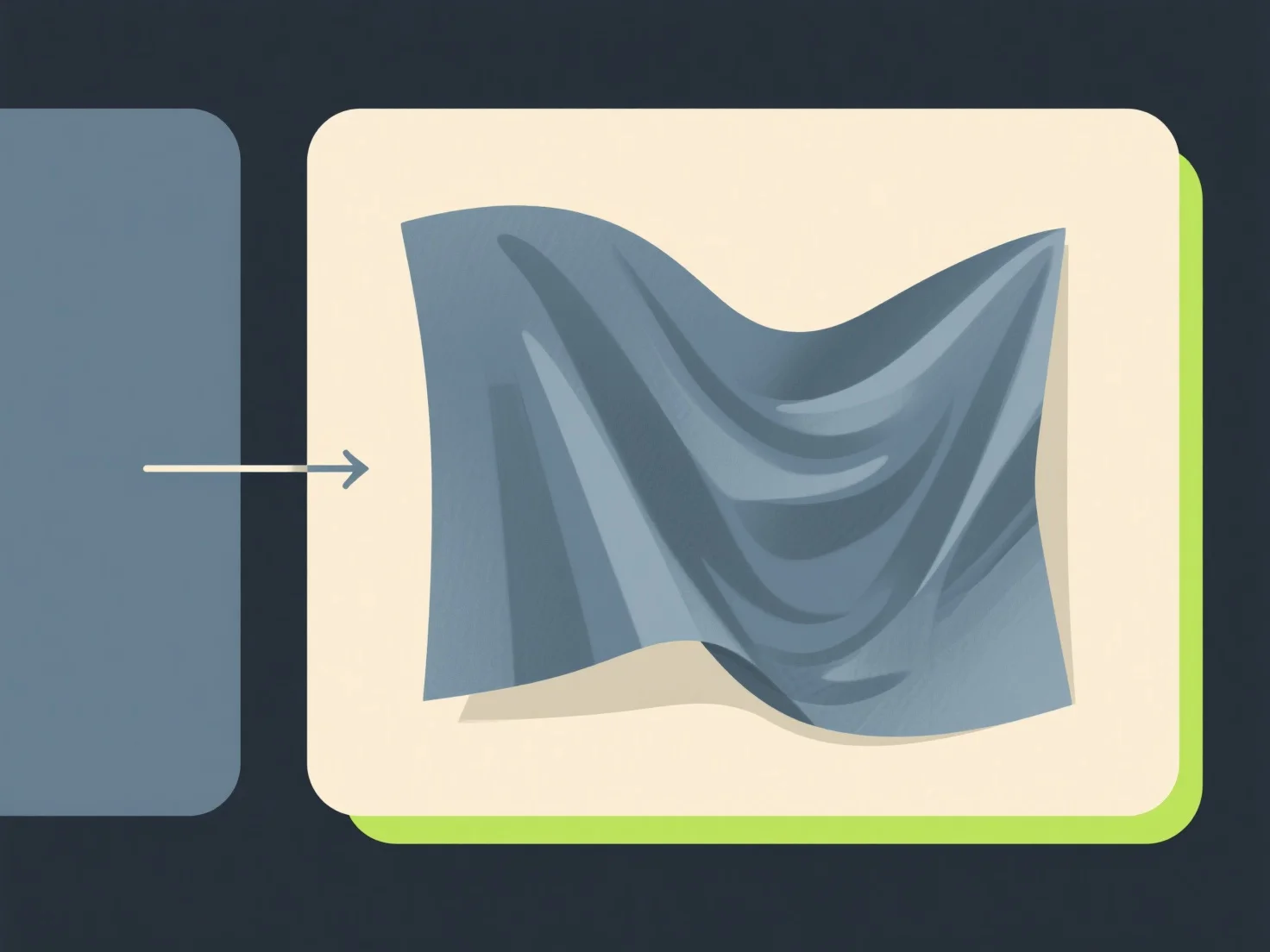
La simulation des plis et des rides des tissus dans les modèles 3D utilise principalement des moteurs de simulation de tissus basés sur la physique pour imiter le comportement des tissus dans le monde réel, générant des plis naturels grâce à des forces calculées et des propriétés matérielles.
Les étapes clés incluent : - **Calcul du moteur physique** : Les moteurs calculent des forces telles que la gravité, la tension et le frottement, associées aux propriétés du tissu (par exemple, la rigidité, l'élasticité), pour simuler la déformation. - **Paramétrage des paramètres** : La définition de variables telles que l'épaisseur du matériau et les pressions appliquées contrôlent la façon dont le tissu se plie au fil du temps. - **Outils pour débutants** : Logiciels avec une simulation de tissu intégrée.
Cette méthode assure un comportement réaliste et dynamique des tissus dans les modèles 3D.