


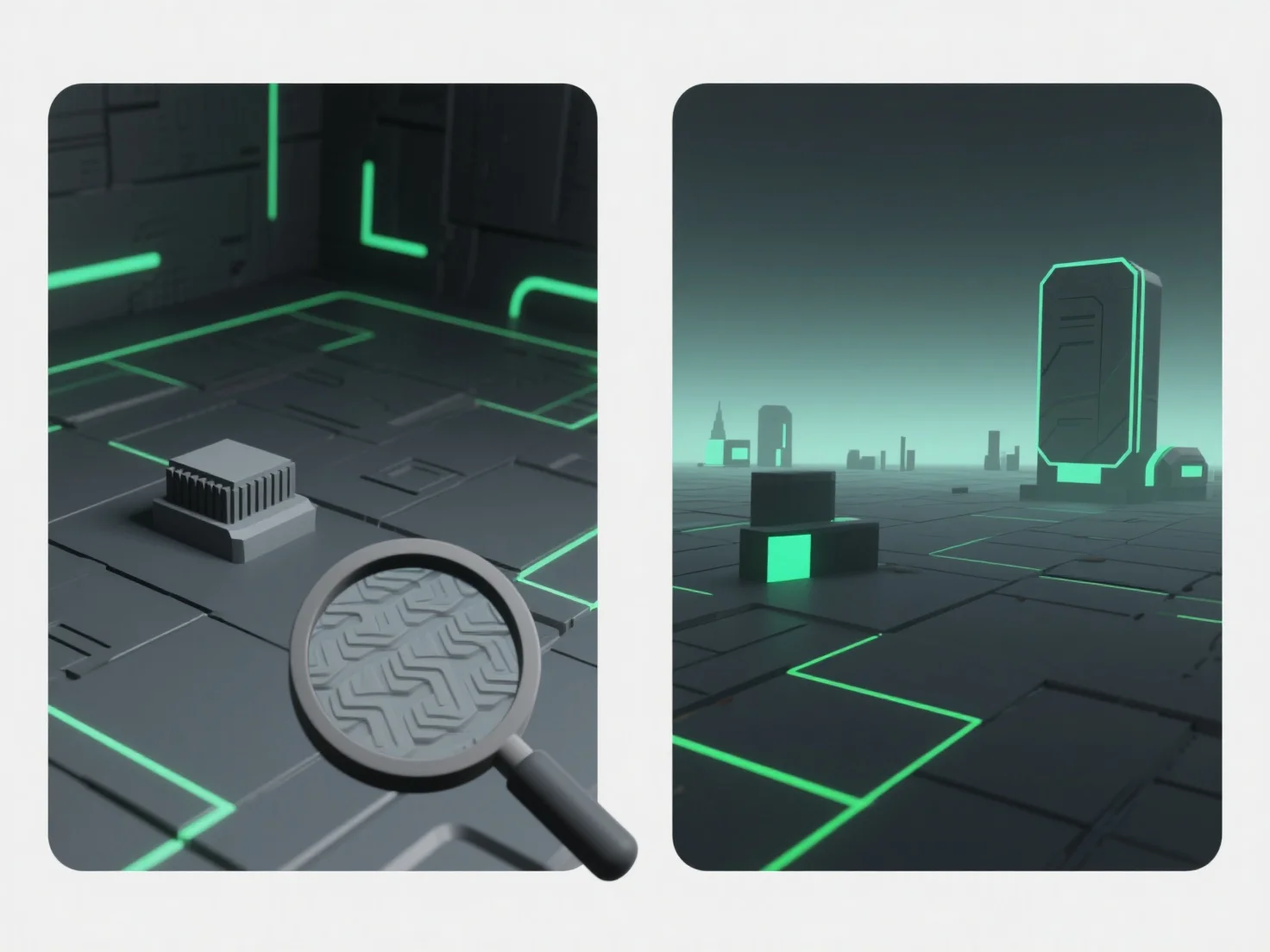
Les meilleures pratiques pour l'optimisation des textures dans les jeux 3D consistent à équilibrer la qualité visuelle et les performances grâce au mipmapping, au redimensionnement de la résolution, à la compression, aux atlas de textures et à une conception économe en ressources.
- **Mipmapping** : Génère des versions de texture de plus faible résolution pour les objets distants, réduisant l'aliasing et l'utilisation de la mémoire. - **Rescalage de la résolution** : Adapte la résolution de la texture à la taille à l'écran (par exemple, 2K pour les petits objets au lieu de 4K) afin de réduire la taille du fichier sans perte notable de qualité. - **Compression adaptée aux GPU** : Utilise des formats tels que BC1/BC3 pour réduire la charge de la mémoire tout en maintenant l'intégrité visuelle. - **Atlas de textures** : Regroupe plusieurs textures en un seul fichier afin de réduire les appels de dessin et d'améliorer l'efficacité du rendu. - **Textures opaques** : Évitez autant que possible les canaux alpha inutiles, car ils augmentent la charge de la mémoire et les exigences de traitement. - **Bit-depth réduite** : Pour les textures non critiques, utilisez 24 bits au lieu de 32 bits afin de réduire la taille du fichier sans affecter les visuels.