


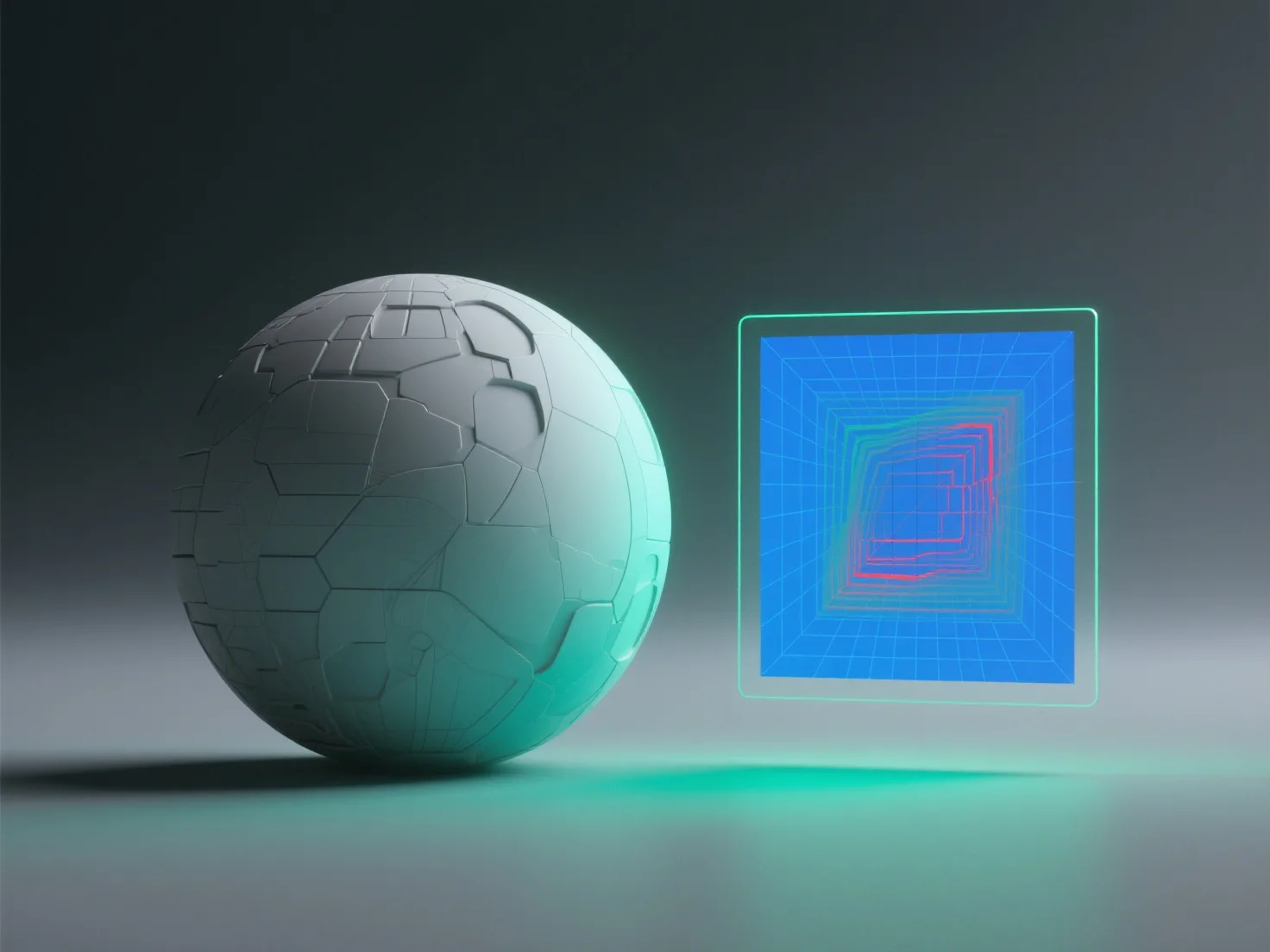
Un mapa normal en texturización 3D es una textura que simula los detalles de la superficie mediante la codificación de vectores de dirección, alterando la forma en que la luz se refleja en un modelo 3D para crear la ilusión de profundidad sin aumentar el número de polígonos.
- **Mecanismo básico**: Utiliza valores de color RGB para representar las normales de la superficie (rojo para el eje X, verde para el eje Y, azul para los vectores de dirección del eje Z), que determinan cómo interactúa la luz con la superficie del modelo. - **Ventaja clave**: Añade detalles finos como protuberancias, surcos o texturas complejas a los modelos de baja poligonización, evitando la necesidad de geometría de alta poligonización. Esto mantiene el renderizado rápido y los tamaños de archivo pequeños.
En resumen, los mapas normales mejoran el realismo visual de manera eficiente, equilibrando el detalle y el rendimiento en la texturización 3D.