


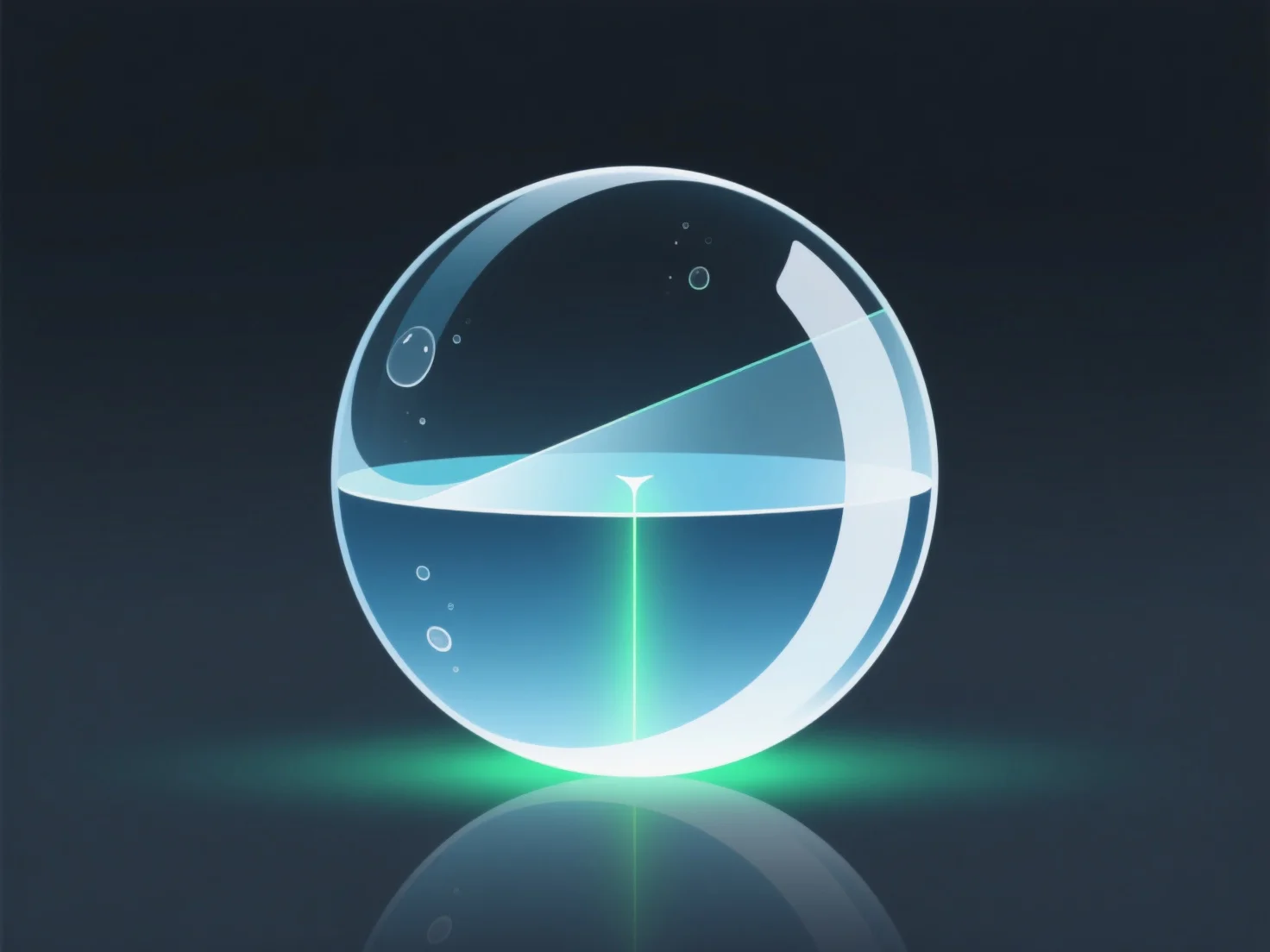
Los reflejos y las refracciones influyen en el proceso de renderizado al simular las interacciones entre la luz y la superficie, lo que requiere el trazado de rayos para representar la luz que rebota (reflejos) o se dobla (refracciones), mejorando el realismo pero aumentando la complejidad computacional.
- **Mejora del realismo**: Imitan el comportamiento de la luz en el mundo real. Los reflejos crean superficies reflectantes o brillantes (por ejemplo, metal, espejos), mientras que las refracciones simulan efectos transparentes/translúcidos (por ejemplo, vidrio, agua), haciendo que las escenas se vean más realistas. - **Demanda computacional**: Renderizar estos efectos requiere rastrear múltiples trayectorias de luz, ya que cada reflejo/refracción hace que la luz rebote en nuevas direcciones, lo que aumenta el número de rayos procesados y, por lo tanto, el tiempo de renderizado.
En general, son fundamentales para obtener imágenes realistas, pero requieren un procesamiento adicional para renderizar con precisión las interacciones de la luz.