


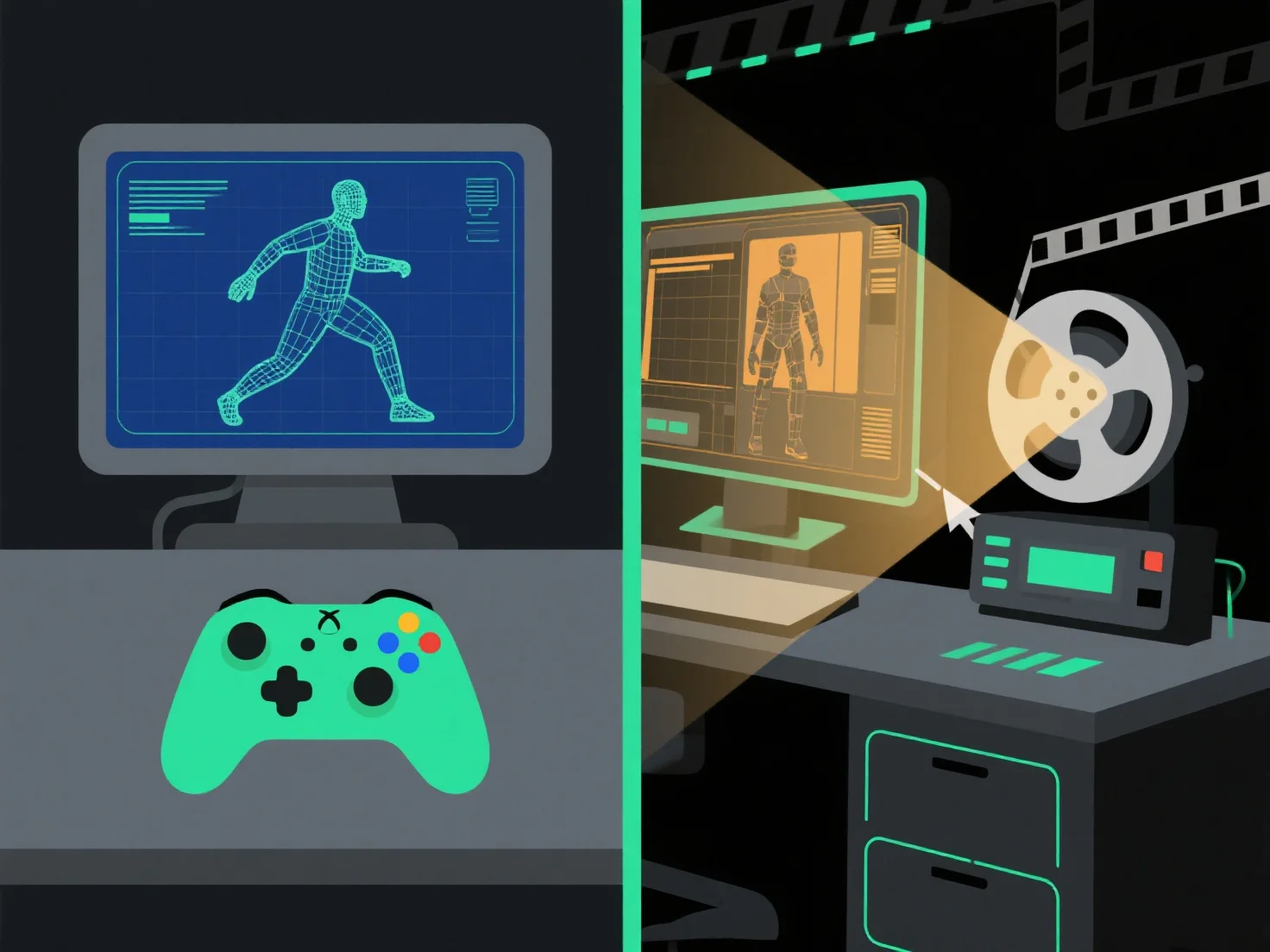
Las aplicaciones 3D en tiempo real utilizan técnicas de animación simplificadas, como ciclos precocidos o rigs de baja poligonización, para priorizar la velocidad, mientras que las aplicaciones 3D fuera de línea aprovechan métodos complejos como la creación de fotogramas clave de alta detalle o simulaciones físicas, ya que no están limitadas por las demandas de renderizado en tiempo real.
Las principales diferencias provienen de las necesidades de rendimiento: - Las aplicaciones en tiempo real (por ejemplo, juegos, AR/VR) requieren un renderizado instantáneo, por lo que las animaciones se optimizan para un procesamiento rápido. A menudo, se utilizan movimientos precalculados o estructuras óseas simplificadas para evitar retrasos. - Las aplicaciones fuera de línea