


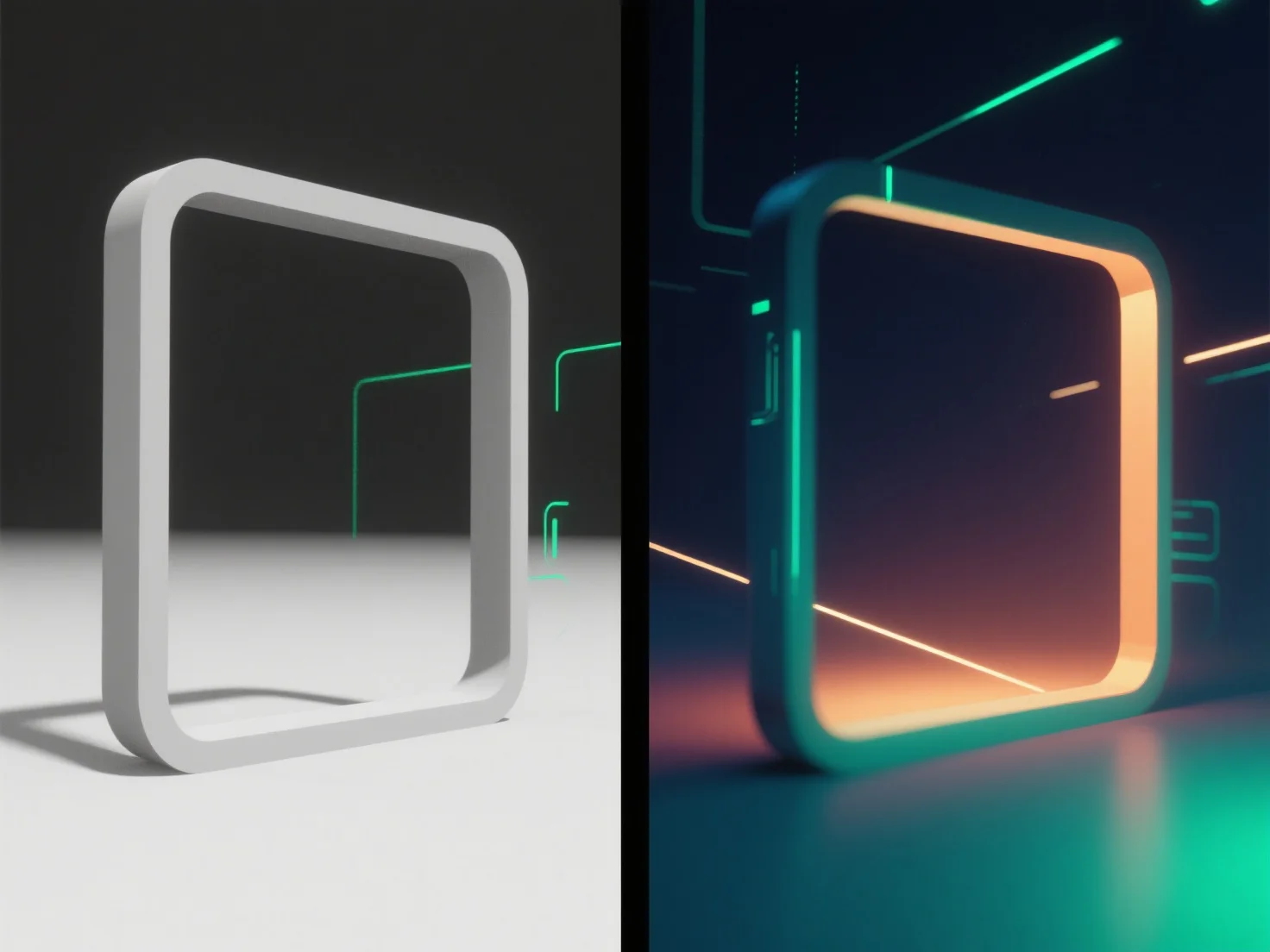
Los efectos de postprocesamiento en el renderizado en tiempo real mejoran principalmente la calidad visual y el realismo al aplicar ajustes de imagen después del renderizado inicial, simulando fenómenos visuales del mundo real como el desenfoque de movimiento, el efecto bloom o la gradación de color para hacer que las escenas sean más inmersivas.
Las aplicaciones clave en diversas industrias incluyen: - Videojuegos: Añadir efectos cinemáticos (por ejemplo, profundidad de campo, destellos de lente) para mejorar la inmersión en el juego. - AR/VR: Utilizar corrección de color y anti-aliasing para alinear objetos virtuales con el entorno real, mejorando el realismo. - Simulaciones en tiempo real: Aplicar oclusión ambiental para resaltar los detalles de los objetos en las vistas previas de entrenamiento o diseño, mejorando la claridad visual.
Para los principiantes, comenzar con efectos básicos como el efecto de brillo o el ajuste de contraste ayuda a comprender intuitivamente su impacto en la presentación visual final.