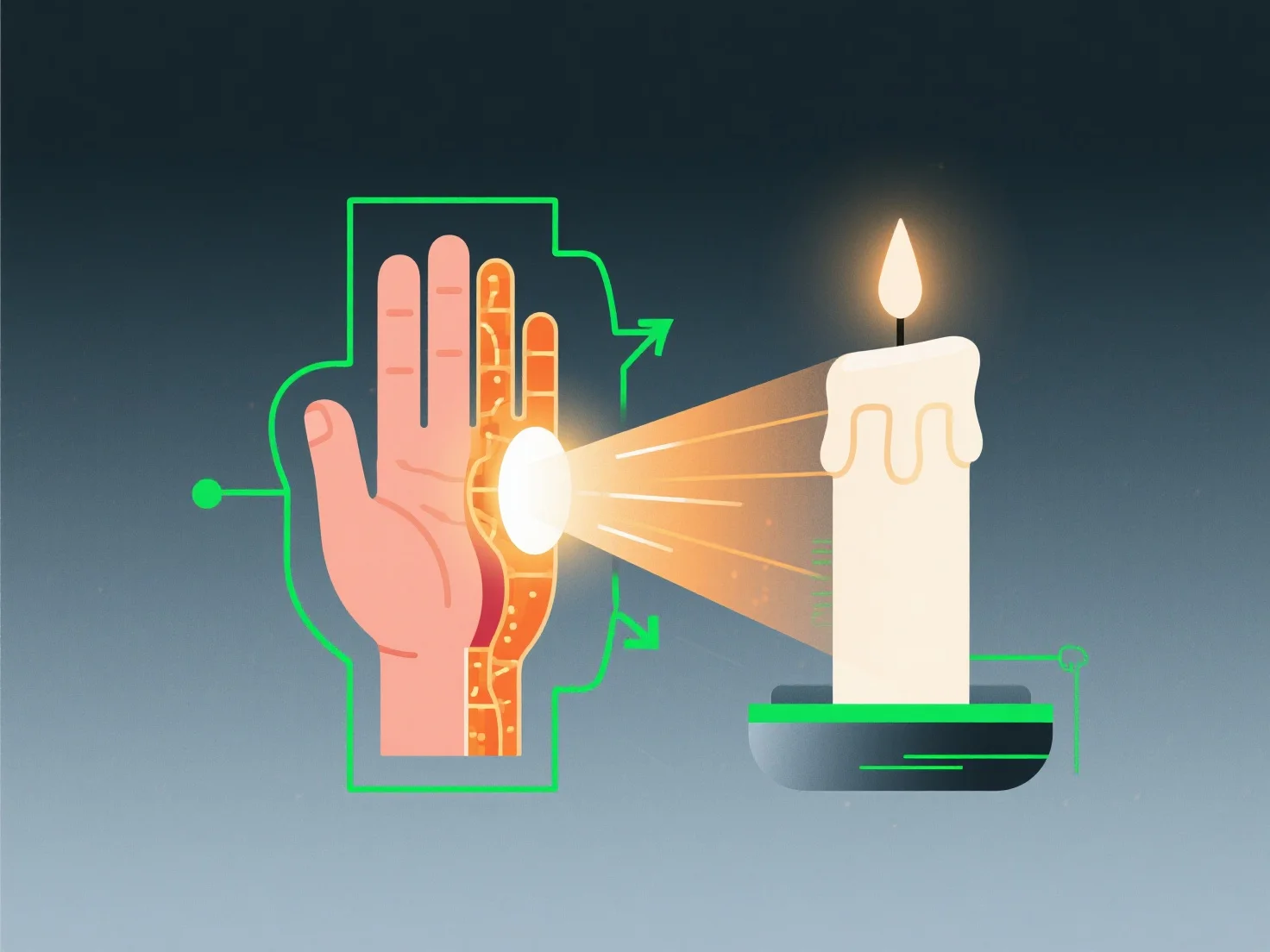
Die Untergrundstreuung in der 3D-Rendering simuliert, wie Licht in transparente Materialien wie Haut oder Wachs eindringt, intern gestreut wird und wieder austritt, wodurch eine natürliche Weichheit und ein lebensechtes Leuchten entsteht. Lichtphotonen dringen in das Material ein und streuen von inneren Partikeln, wie z. B. Kollagen in der Haut oder Wachsmolekülen. Sie werden mehrfach reflektiert, bevor sie an verschiedenen Stellen wieder austreten, im Gegensatz zu opaken Oberflächen, die Licht scharf reflektieren. Die Anpassung von Parametern wie Streutiefe (wie weit das Licht reist) und Farbabsorption (z. B. rote Wellenlängen für die Haut) verbessert die Realität und sorgt dafür, dass das Material ohne komplexe Einstellungen authentisch aussieht. Dieser Prozess imitiert das Lichtverhalten in der realen Welt und führt zu dem diffusen, leuchtenden Aussehen, das für Haut, Wachs und andere transparente Materialien in 3D-Renderings charakteristisch ist.


Wie funktioniert die Untergrundstreuung in Materialien wie Haut oder Wachs in der 3D-Rendering?
Die Untergrundstreuung in der 3D-Rendering simuliert das Eindringen von Licht, die interne Streuung und den Austritt in transluzenten Materialien für eine natürliche Weichheit und Leuchtkraft.