Home/Hitem3D FAQ/What is the difference between real-time and offline rendering techniques?

What is the difference between real-time and offline rendering techniques?

Real-time rendering prioritizes speed for interactivity (e.g., games), offline emphasizes quality with longer processing (e.g., films).

What is the difference between real-time and offline rendering techniques?

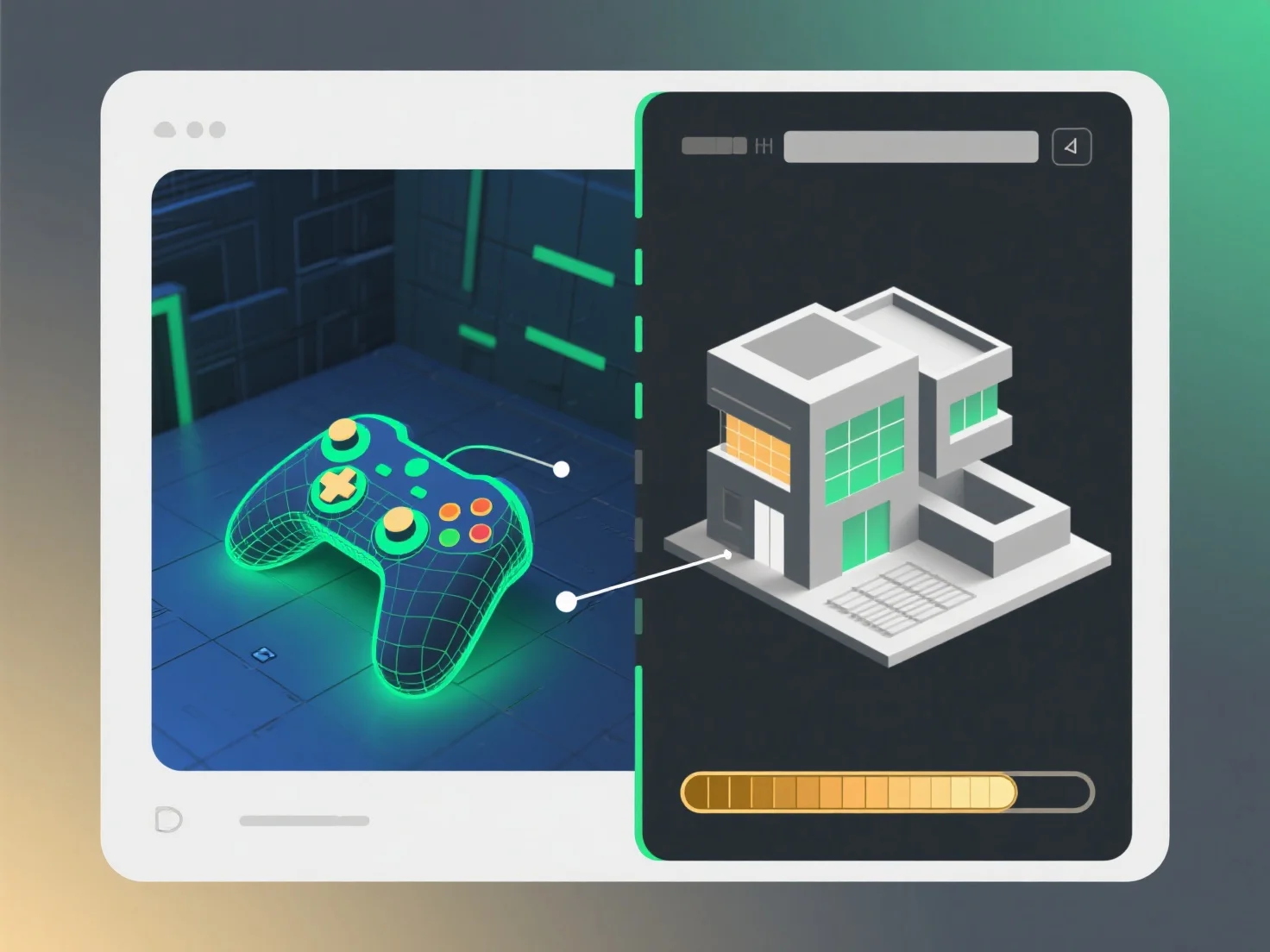
The key difference between real-time and offline rendering lies in their prioritization of speed versus visual quality. Real-time rendering focuses on generating images instantly for interactivity, while offline rendering emphasizes high-detail visuals but requires longer processing. Typical use cases: - Real-time: Video games, AR/VR, live simulations—where immediate user interaction is critical. - Offline: Film animation, architectural renders, product visualizations—where time is less urgent than image fidelity. Choose real-time for quick, interactive previews (e.g., game development); opt for offline rendering when final, high-quality outputs (e.g., movie scenes) are needed.

PreviousNext
Product
Web Studio
API Platform
Features
Image to 3D
Multi-view to 3D
Relief
Segmentation
Models
General Model
Portrait Model
Resource
Blog
FAQ
API Docs
About us
Pricing