Home/Hitem3D FAQ/What is a "normal map" in 3D texturing?

What is a "normal map" in 3D texturing?

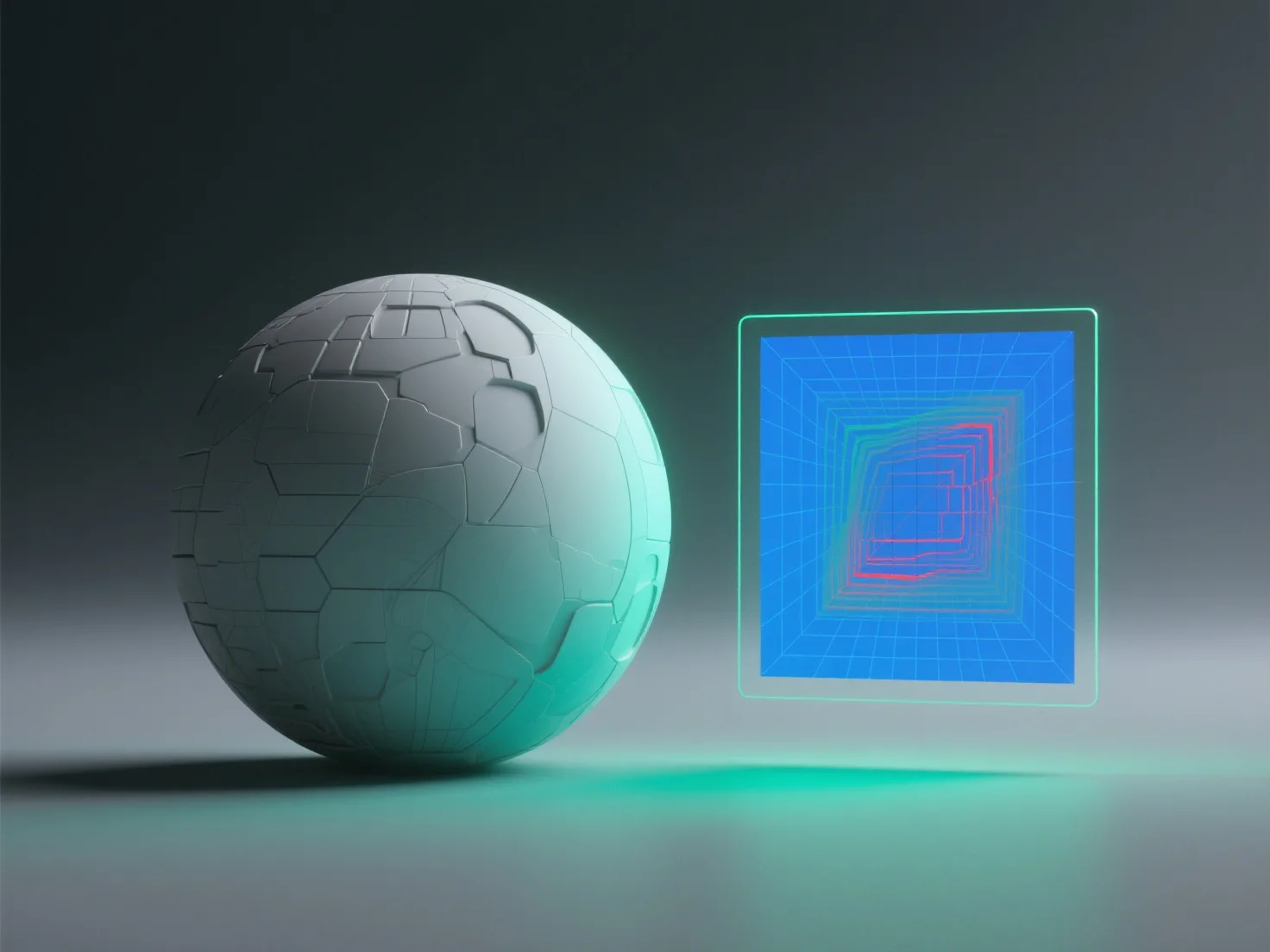
A normal map simulates surface details via RGB-encoded normals, enhancing 3D model realism without high-poly geometry.

What is a "normal map" in 3D texturing?

A normal map in 3D texturing is a texture that simulates surface details by encoding direction vectors, altering how light reflects off a 3D model to create the illusion of depth without increasing polygon count.

- **Core Mechanism**: It uses RGB color values to represent surface normals (red for X-axis, green for Y-axis, blue for Z-axis direction vectors), dictating how light interacts with the model’s surface. - **Key Advantage**: Adds fine details like bumps, grooves, or intricate textures to low-poly models, avoiding the need for high-poly geometry. This keeps rendering fast and file sizes small.

In short, normal maps enhance visual realism efficiently, balancing detail and performance in 3D texturing.

PreviousNext
Product
Web Studio
API Platform
Features
Image to 3D
Multi-view to 3D
Relief
Segmentation
Models
General Model
Portrait Model
Resource
Blog
FAQ
API Docs
About us
Pricing
Privacy PolicyTerms & Conditions