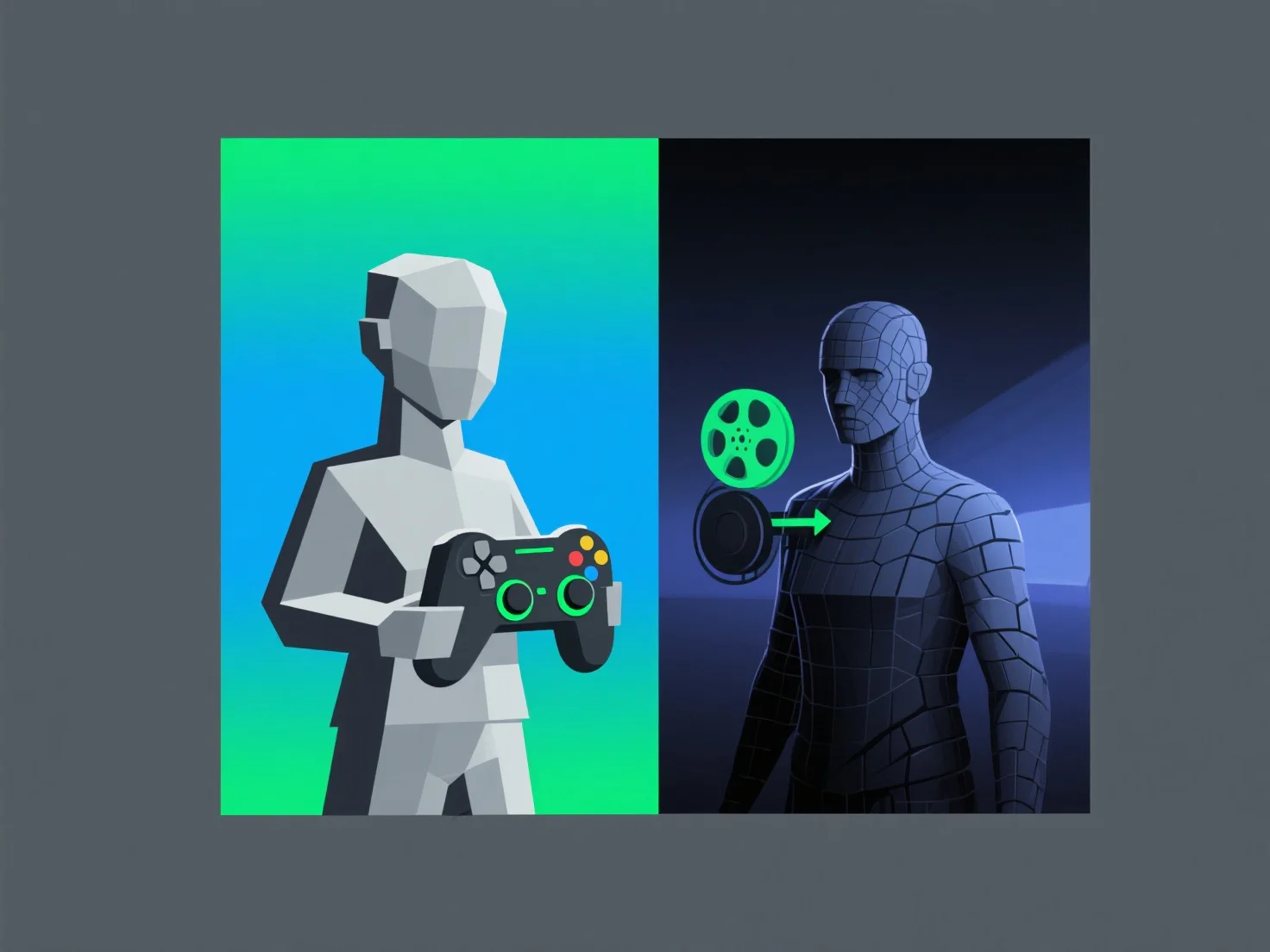
The integration of 3D models differs for games versus films primarily in real-time performance demands and interactivity focus. Games require 3D models optimized for real-time rendering to handle dynamic player inputs, using lower polygon counts and simplified textures to ensure smooth frame rates during gameplay. Films, by contrast, prioritize high-detail static or pre-animated sequences, with higher polygon counts and complex textures for cinematic visual quality, as rendering is pre-computed and not dependent on real-time user interaction. To align integration effectively, focus on end use: interactive (games) needs real-time efficiency, while narrative-driven (films) prioritizes pre-rendered detail.


How does the integration of 3D models differ for games versus films?
3D model integration differs between games (real-time, interactive, optimized) and films (pre-rendered, high-detail, static).