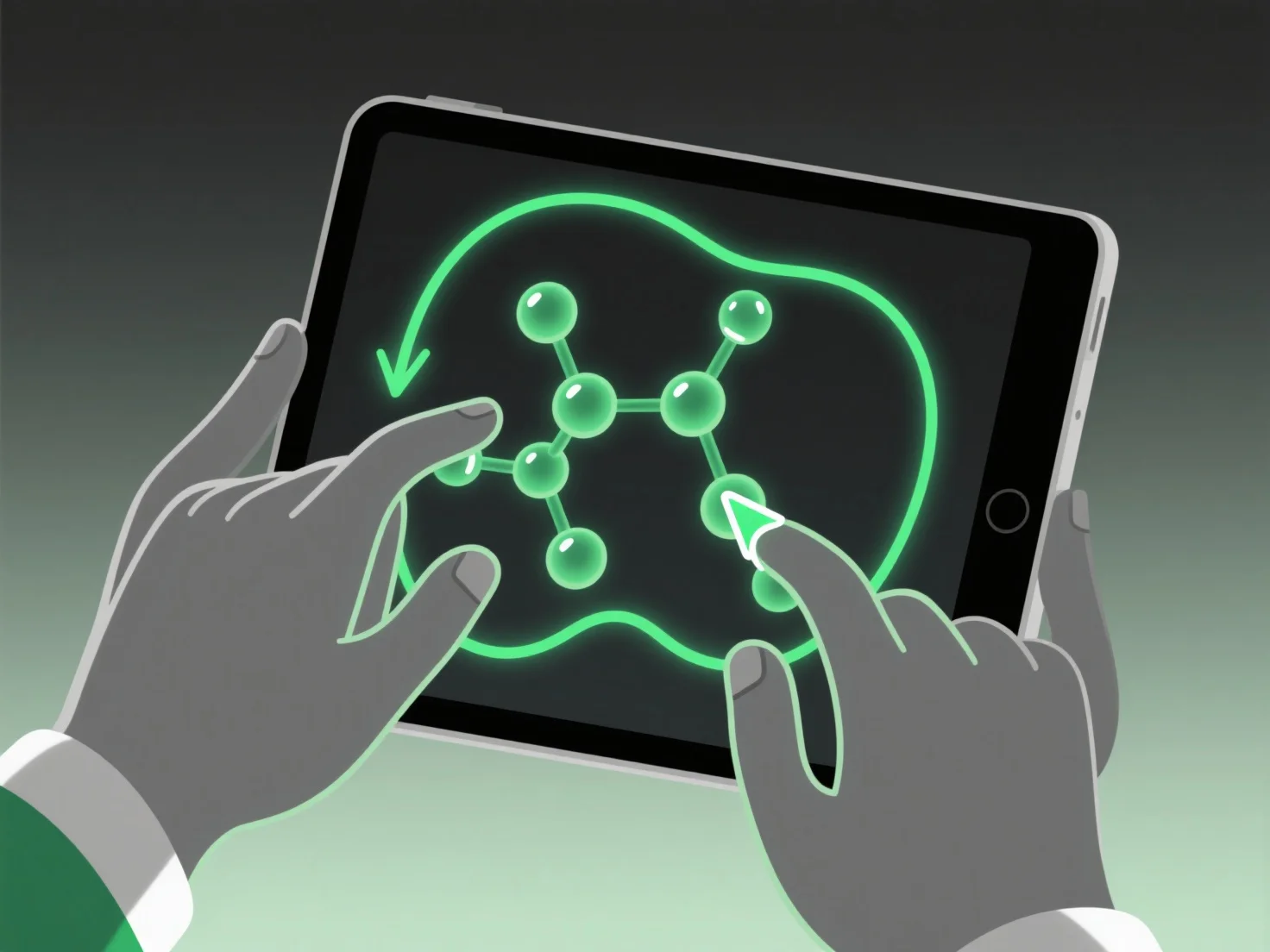
3D modeling encourages students’ curiosity and exploration by transforming abstract ideas into tangible visual models, sparking questions and hands-on experimentation. It prompts students to ask how to structure designs, adjust proportions, or solve functional issues—driving proactive exploration as they seek answers. Through trial and error, like refining a model’s shape, they learn to iterate, deepening curiosity about what works and why. Using intuitive tools for simple projects (e.g., a phone stand or toy) makes exploration low-pressure, keeping curiosity alive as ideas take form. This blend of creation, questioning, and accessible experimentation fosters sustained curiosity and exploration.


How does 3D modeling encourage curiosity and exploration in students?
3D modeling fosters students' curiosity and exploration via tangible visual models, prompting questions, experimentation, and accessible creation.