


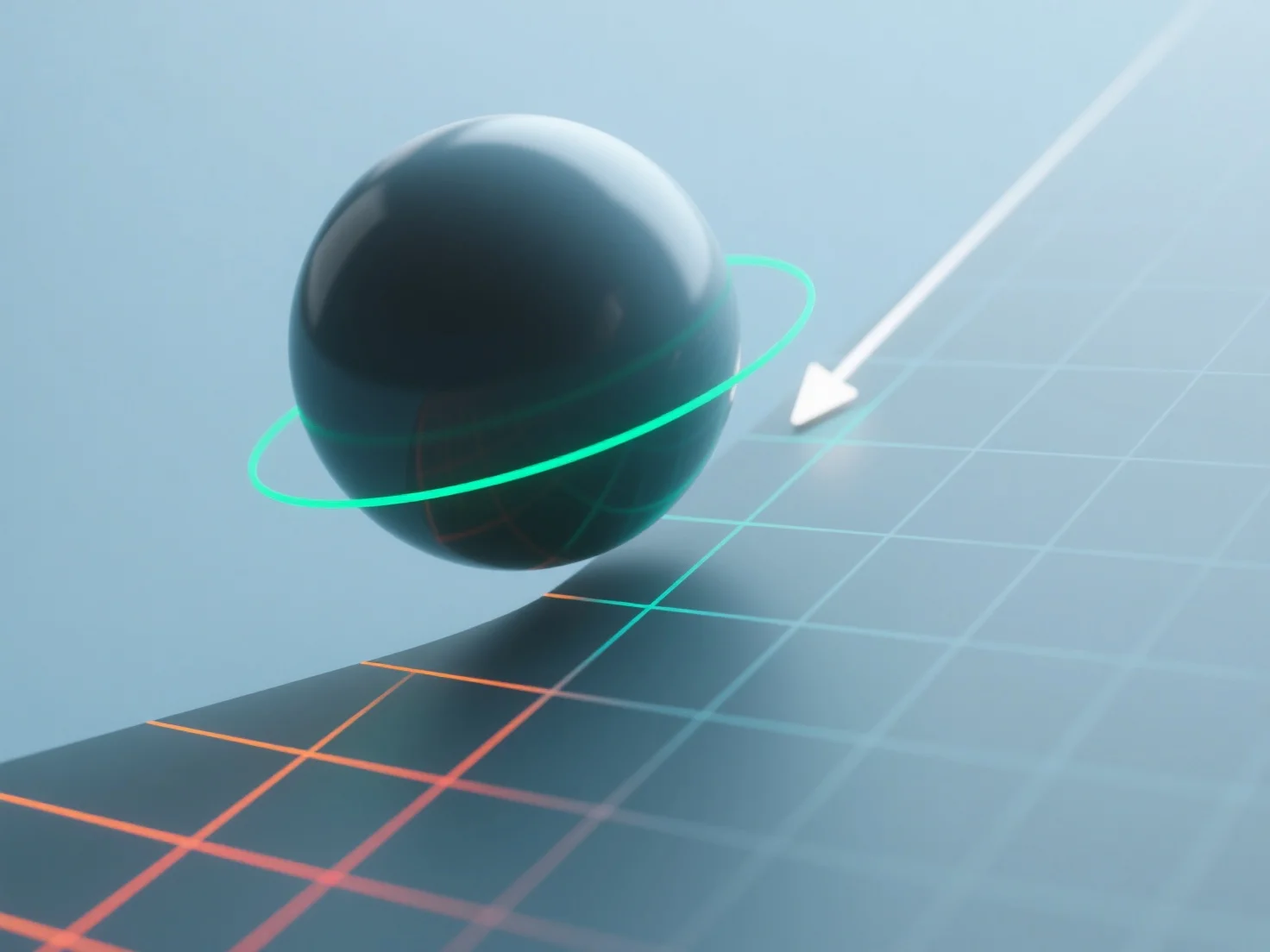
3D models support the learning of physics concepts like force and motion by creating visual, interactive simulations that make abstract processes tangible, allowing observation and adjustment of forces and motion.
They visualize abstract forces: Invisible forces (e.g., gravity, friction) and dynamic motion (e.g., projectile paths, collisions) are rendered visible, bridging theoretical equations with real-world scenarios.
They enable interactive variable manipulation: Students can adjust variables like mass, applied force, or surface friction in real time—e.g., altering a ramp’s angle to observe acceleration changes or simulating a pendulum’s swing to study gravitational effects.
They connect theory to visuals: Tools like PhET Interactive Simulations help link physics formulas to observable outcomes, making abstract concepts easier to grasp.
Overall, 3D models turn complex physics into engaging, hands-on learning, enhancing comprehension of force and motion.