


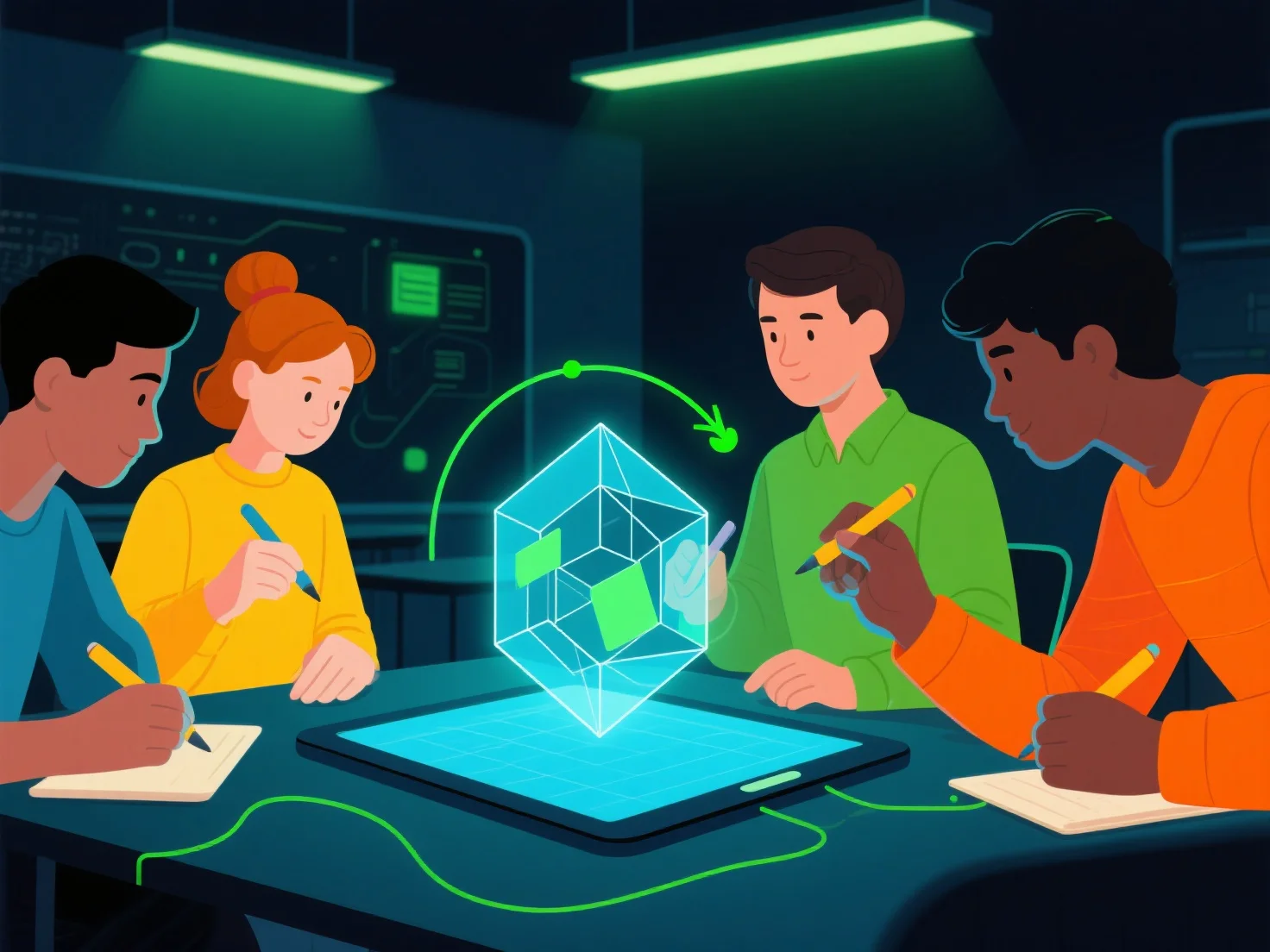
Die 3D-Modellierung in der Bildung unterstützt Problemlösungsfähigkeiten, indem sie von den Schülern verlangt, komplexe Aufgaben in überschaubare Schritte zu zerlegen, Lösungen iterativ zu testen und kritisches Denken anzuwenden, um die Ergebnisse zu verbessern.
Wichtige Wege, wie dies gefördert wird, umfassen: - MINT-Lernen: Das Entwerfen funktionaler Modelle (z. B. Brücken, Maschinen) beinhaltet die Lösung struktureller oder mechanischer Herausforderungen, wie z. B. die Gewährleistung von Stabilität oder die Optimierung der Funktionalität. - Kooperative Projekte: Gruppenarbeiten zur 3D-Modellierung lehren, widersprüchliche Ideen oder technische Grenzen durch Teamarbeit zu lösen, wodurch die Kommunikation und der Kompromiss verbessert werden. - Kreatives Design: Die Entwicklung von 3D-Charakteren oder -Räumen erfordert die Lösung von Problemen bei der räumlichen Anordnung und der Ressourcenzuweisung, was die Anpassungsfähigkeit fördert.
Für neue Lernende, beginnend mit benutzerfreundlichen Tools.