


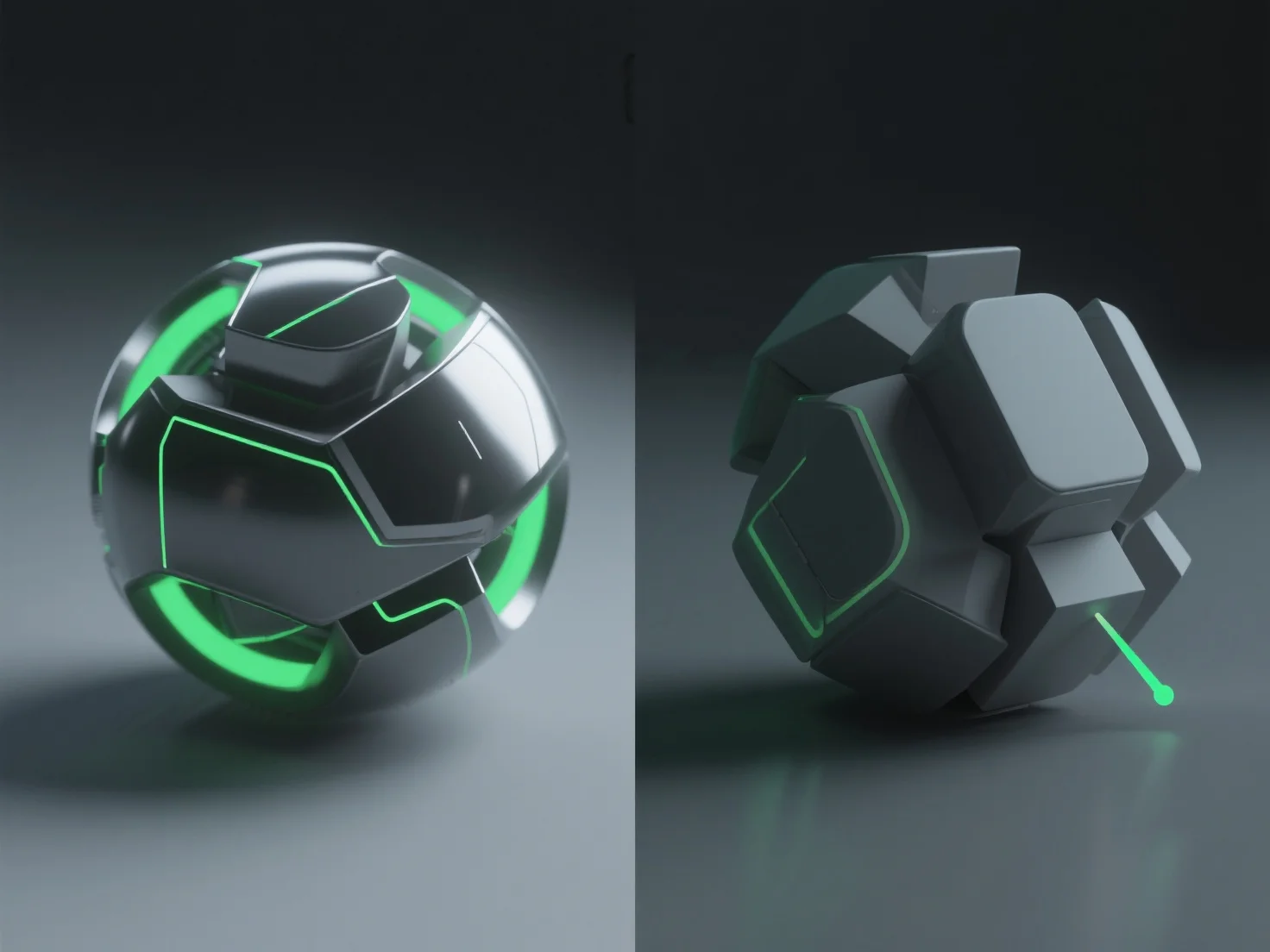
Offline rendering achieves high-quality effects unreplicable in real-time by prioritizing quality over speed, leveraging complex algorithms and greater computational resources that real-time rendering, constrained by time and hardware limits, cannot match.
Its core advantage lies in processing advanced computations: ray tracing with thousands of samples, global illumination, and physics-based material interactions, which demand extensive time. Unlike real-time rendering—relying on simplified shaders and precomputed data to meet frame rates—offline rendering handles high-resolution textures, complex particle systems, and nuanced light/shadow transitions without time pressure.
Key scenarios include: - Film/Animation: Lifelike characters with detailed fur or cloth simulations. - Architecture: Photorealistic interiors with accurate light bounce and reflections. - Product Design: High-quality images with precise material textures.
For photorealistic, intricate visuals, use offline engines like Blender Cycles or V-Ray, balancing computational depth and fidelity.