


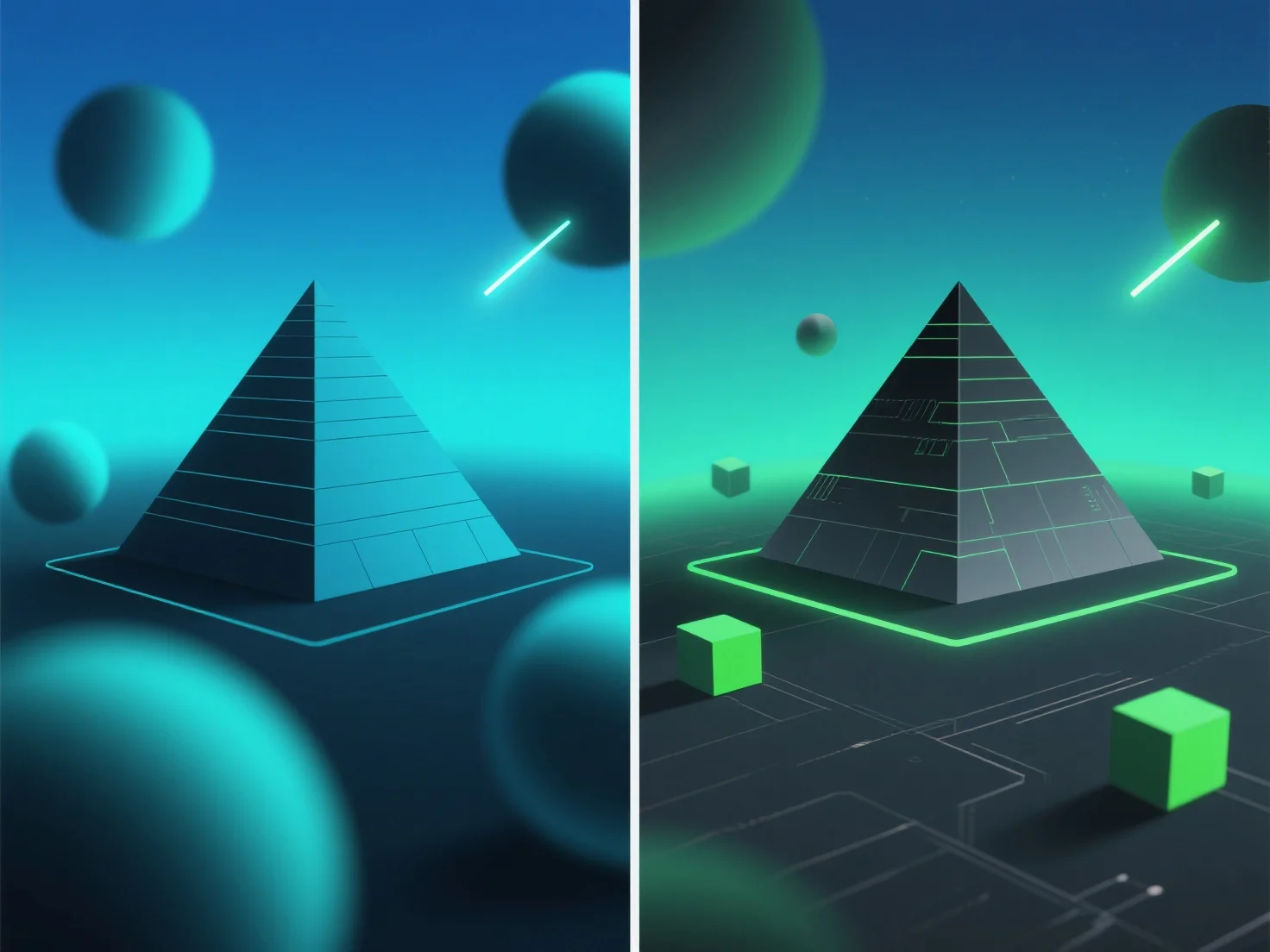
La renderización en tiempo real y fuera de línea manejan los efectos de profundidad de campo de manera diferente: la renderización en tiempo real utiliza algoritmos simplificados.
La profundidad de campo en tiempo real se centra en el rendimiento, fundamental para los juegos o la realidad virtual, donde la baja latencia garantiza una interacción fluida; equilibra los aspectos visuales y la velocidad con cálculos rápidos y aproximados.
La renderización fuera de línea prioriza la precisión, ideal para películas o animaciones detalladas donde el tiempo de renderización es flexible; utiliza el trazado de rayos o el mapeo de fotones para simular el comportamiento de la luz, creando señales de profundidad realistas.
Para las aplicaciones interactivas, los métodos en tiempo real se adaptan a experiencias fluidas; para las salidas visuales de alta gama, el renderizado fuera de línea ofrece una profundidad de campo más realista.