


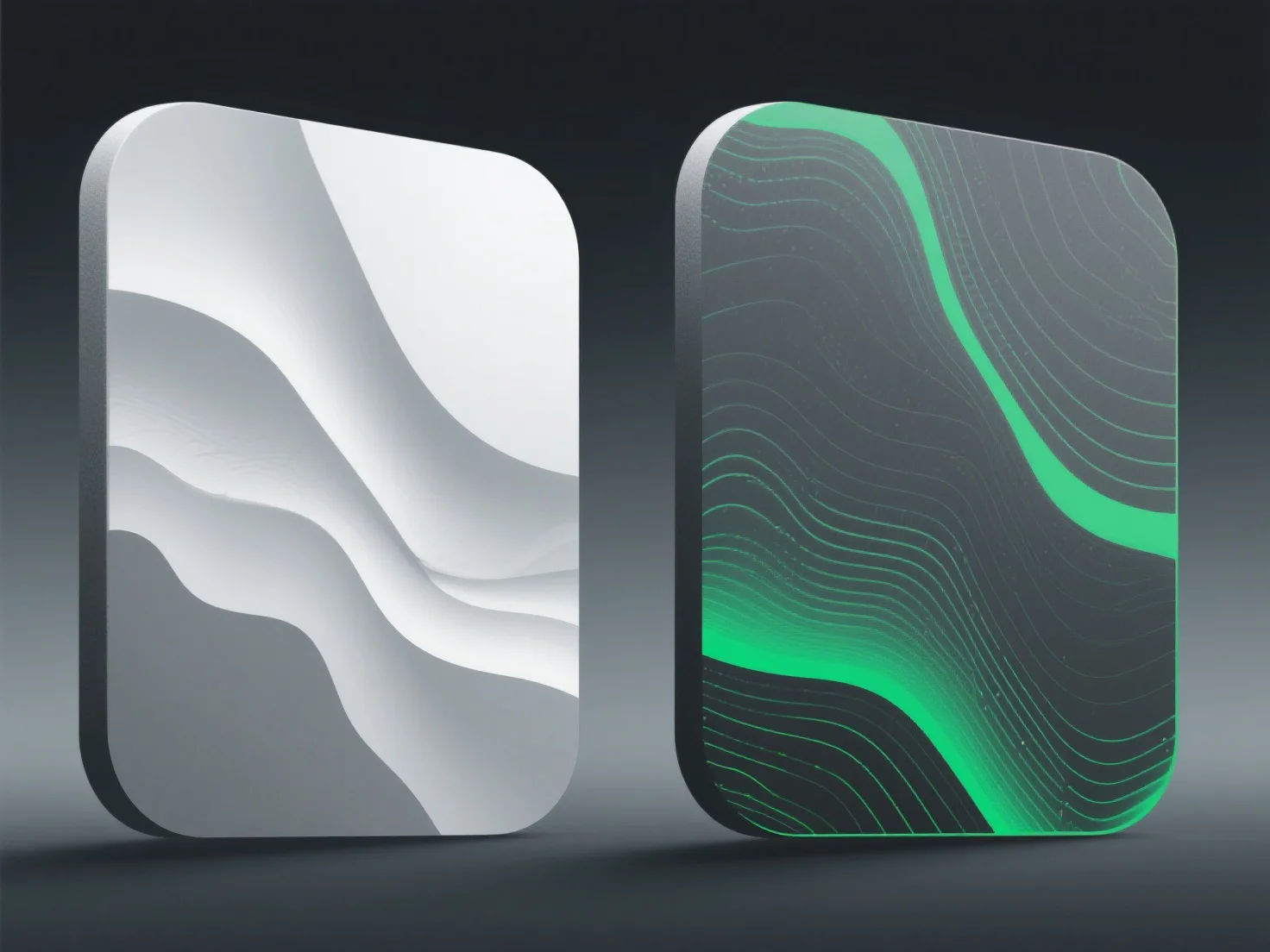
Bei der 3D-Texturierung unterscheiden sich Bump-Maps und Normal-Maps hauptsächlich in ihrer Methode zur Darstellung von Oberflächendetails: Bump-Maps verwenden Grauwertwerte, um Höhenänderungen zu simulieren, während Normal-Maps RGB-Farbenkanäle verwenden, um Oberflächennormalrichtungen zu speichern.
Noppenkarten erzeugen Tiefenillusionen, indem sie die Lichtreflexion basierend auf der Graustufenintensität anpassen. Dunklere Bereiche erscheinen eingezogen, hellere Bereiche erhöht. Sie sind einfacher und leichter, ideal für grundlegende Höheneffekte.
Normalkarten speichern jedoch Oberflächennormalrichtungen in RGB-Kanälen und erfassen Winkel, um genauere Lichtinteraktionen zu ermöglichen. Dies führt zu realistischeren Renderings und macht sie somit bevorzugt für detaillierte, lebensechte Oberflächen.