Home/Hitem3D FAQ/What is the difference between rendering and ray tracing in 3D graphics?

What is the difference between rendering and ray tracing in 3D graphics?

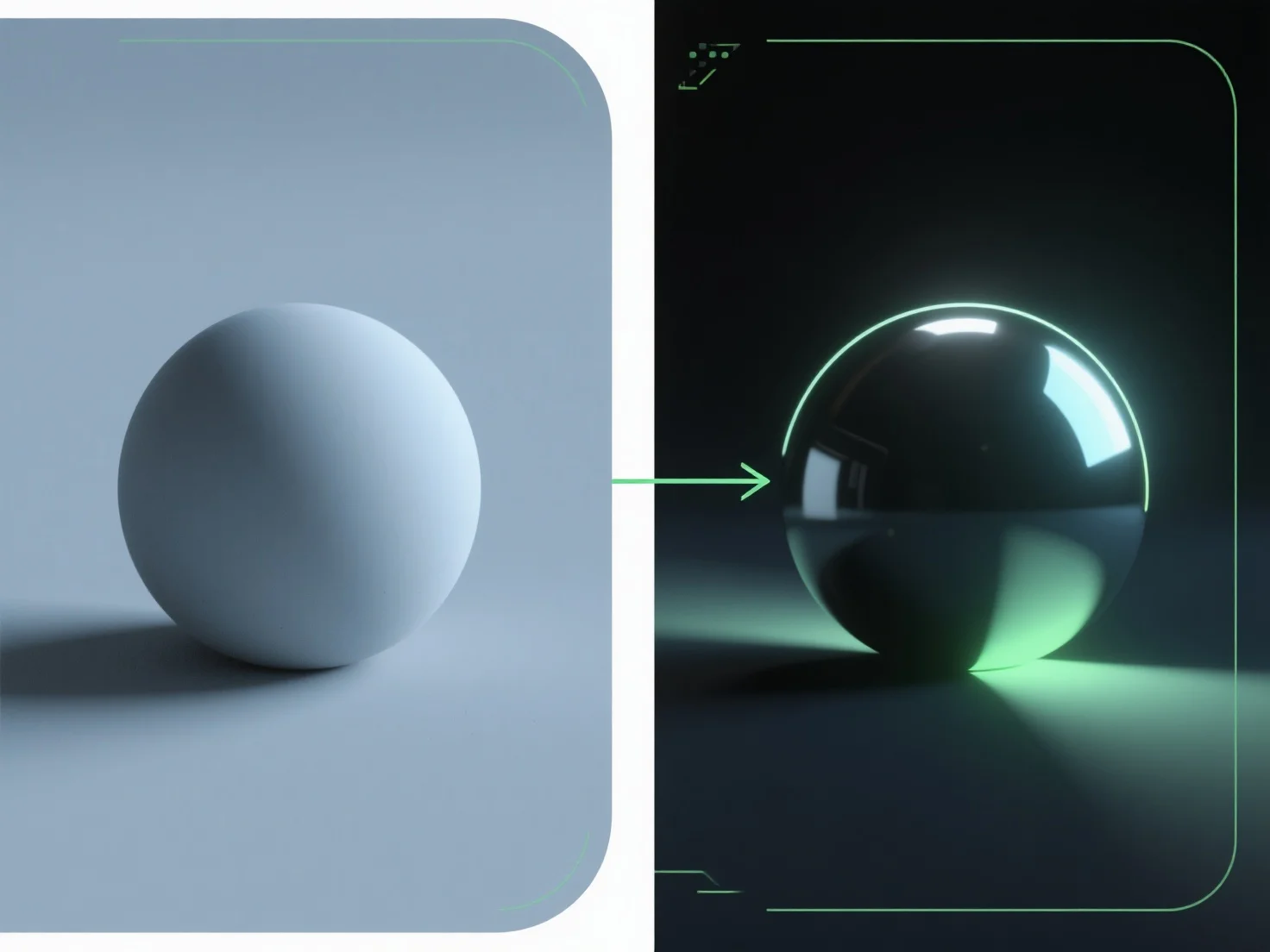
Rendering converts 3D models to 2D images; ray tracing, a subset, simulates light for lifelike visuals, slower than rasterization.

What is the difference between rendering and ray tracing in 3D graphics?

Rendering is the general process of creating 2D images from 3D models, while ray tracing is a specialized rendering technique that simulates light paths to generate lifelike visuals.

Rendering encompasses all methods to convert 3D data into viewable images, including common approaches like rasterization. Ray tracing, as a subset of rendering, works by tracing light rays from the camera to light sources, accurately mimicking real-world lighting effects such as shadows, reflections, and refractions.

In application, rendering techniques vary by need: rasterization prioritizes speed for real-time uses like games, while ray tracing is chosen for high-quality, realistic visuals in films or static images.

PreviousNext
产品
Web 工作室
API 平台
功能
图片转 3D
多视图转 3D
浮雕
分割
模型
通用模型
人像模型
资源
博客
常见问题
API 文档
关于我们
定价