Home/Hitem3D FAQ/How do PBR (Physically Based Rendering) workflows differ from traditional rendering techniques?

How do PBR (Physically Based Rendering) workflows differ from traditional rendering techniques?

PBR uses physical principles and measured properties for consistent realism, differing from traditional rendering's artistic approximations.

How do PBR (Physically Based Rendering) workflows differ from traditional rendering techniques?

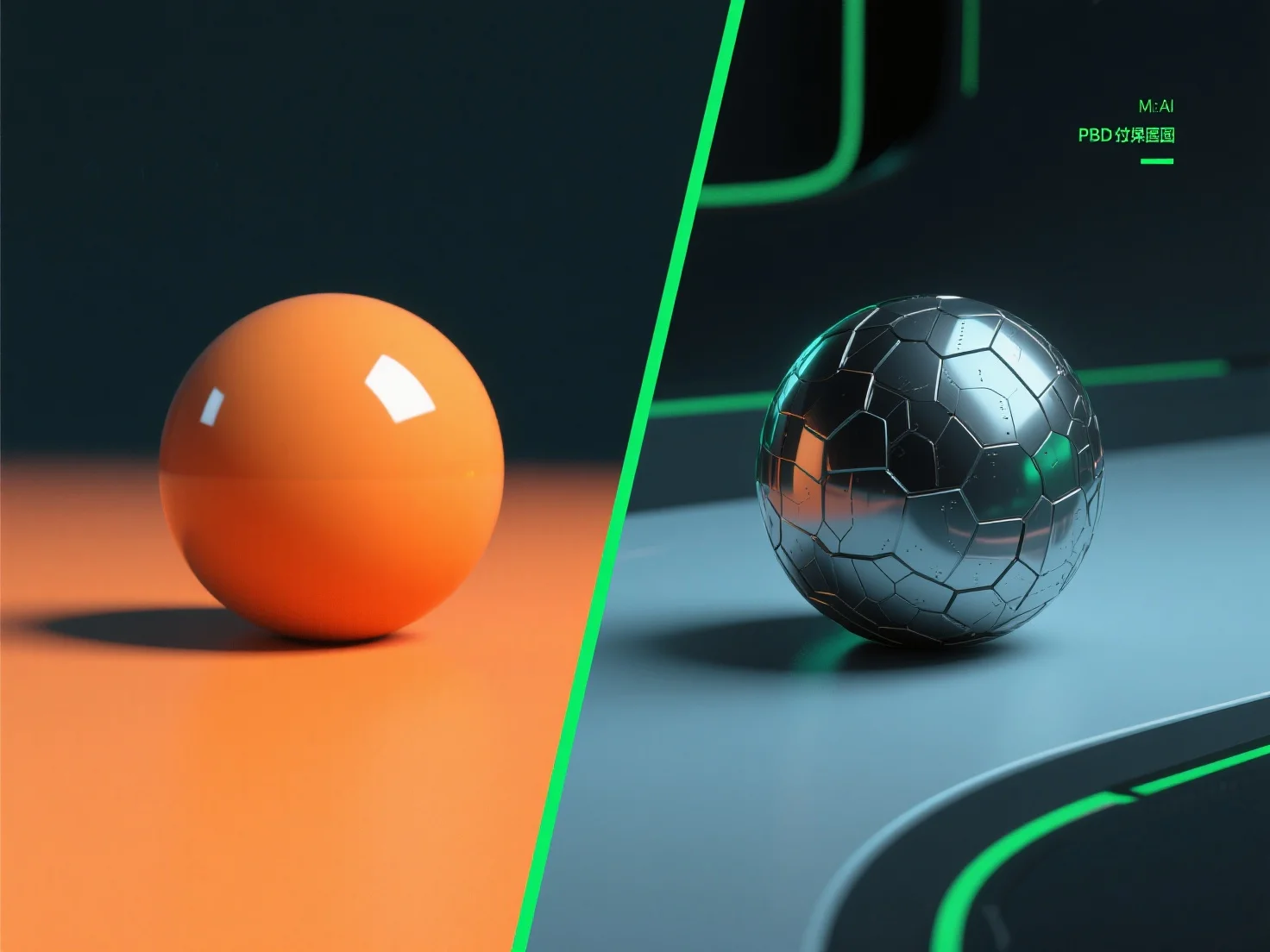
PBR (Physically Based Rendering) workflows differ from traditional rendering primarily in their approach to light and material simulation—PBR relies on real-world physical principles for accuracy, while traditional techniques use artistic approximations.

Traditional rendering often involves manual adjustments of parameters like diffuse and specular by artists to achieve desired visuals. This subjective tweaking can lead to inconsistency, as results may not hold up across varying lighting scenarios.

PBR, by contrast, uses measured material properties (e.g., albedo, roughness, metallic) to model how light interacts with surfaces based on physics. This ensures renders remain lifelike and consistent under different lighting conditions, reducing the need for manual adjustments.

In short, PBR prioritizes physical accuracy for reliable, scalable realism, while traditional methods depend more on artistic interpretation.

PreviousNext
产品
Web 工作室
API 平台
功能
图片转 3D
多视图转 3D
浮雕
分割
模型
通用模型
人像模型
资源
博客
常见问题
API 文档
关于我们
定价