Home/Hitem3D FAQ/How does skill imbalance slow down 3D workflows?

How does skill imbalance slow down 3D workflows?

Skill imbalance in 3D workflows causes delays, resource misallocation, and stage disconnects, reducing efficiency.

How does skill imbalance slow down 3D workflows?

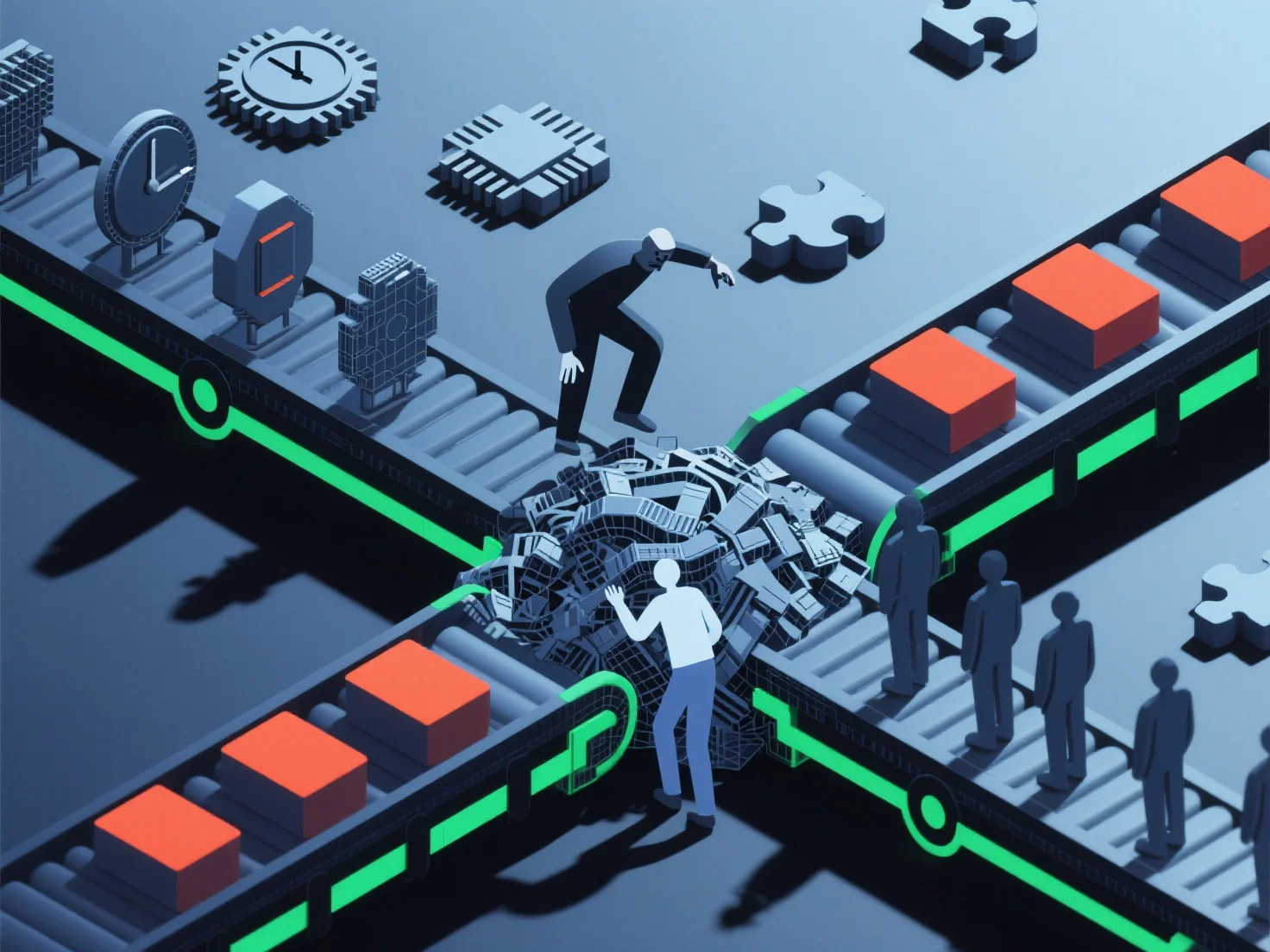
Skill imbalance slows 3D workflows by creating bottlenecks due to uneven proficiency in critical stages like modeling, texturing, or rigging, disrupting task progression and increasing delays.

- **Task delays**: Less skilled team members often take longer to complete tasks or require frequent revisions, stalling project timelines. - **Resource misallocation**: Skilled members may be overburdened with fixing errors or covering gaps, while underutilized skills lead to inefficiencies. - **Stage disconnects**: Gaps in skills between stages (e.g., poor modeling affecting texturing) break workflow continuity, requiring rework and slowing downstream steps like rendering or animation.

This imbalance disrupts the smooth flow from design to final output, significantly reducing workflow efficiency.

PreviousNext
产品
Web 工作室
API 平台
功能
图片转 3D
多视图转 3D
浮雕
分割
模型
通用模型
人像模型
资源
博客
常见问题
API 文档
关于我们
定价