Home/Hitem3D FAQ/How do bottleneck roles limit throughput in 3D pipelines?

How do bottleneck roles limit throughput in 3D pipelines?

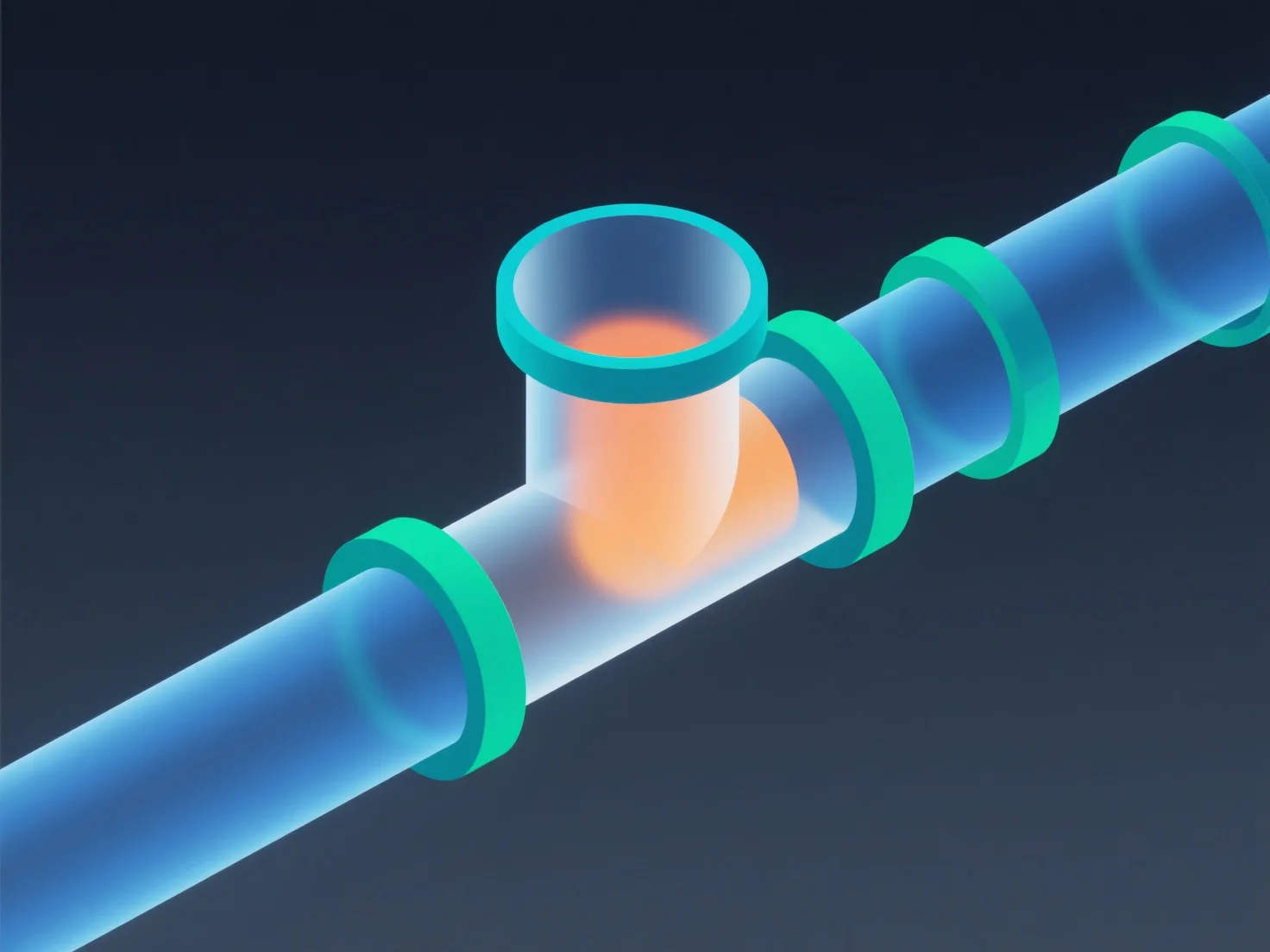
Bottleneck roles in 3D pipelines restrict throughput via capacity overload, resource gaps, and dependency chokepoints, causing delays.

How do bottleneck roles limit throughput in 3D pipelines?

Bottleneck roles in 3D pipelines limit throughput by acting as workflow constraints when their processing capacity is outpaced by upstream stages, causing delays.

Key ways they restrict throughput include: - **Capacity overload**: Roles like modeling or texturing may receive tasks faster than they can complete, leading to backlogs. For example, if texture artists lag, modeled assets pile up, stalling animation. - **Resource gaps**: Understaffed teams (e.g., riggers) slow handoffs, as upstream tasks accumulate while downstream stages (animation) wait idle. - **Dependency chokepoints**: Critical roles (e.g., asset approval) with no backups become bottlenecks if unavailable, halting the entire pipeline’s progress.

These issues create cascading delays, reducing overall pipeline efficiency and output speed.

PreviousNext
产品
Web 工作室
API 平台
功能
图片转 3D
多视图转 3D
浮雕
分割
模型
通用模型
人像模型
资源
博客
常见问题
API 文档
关于我们
定价