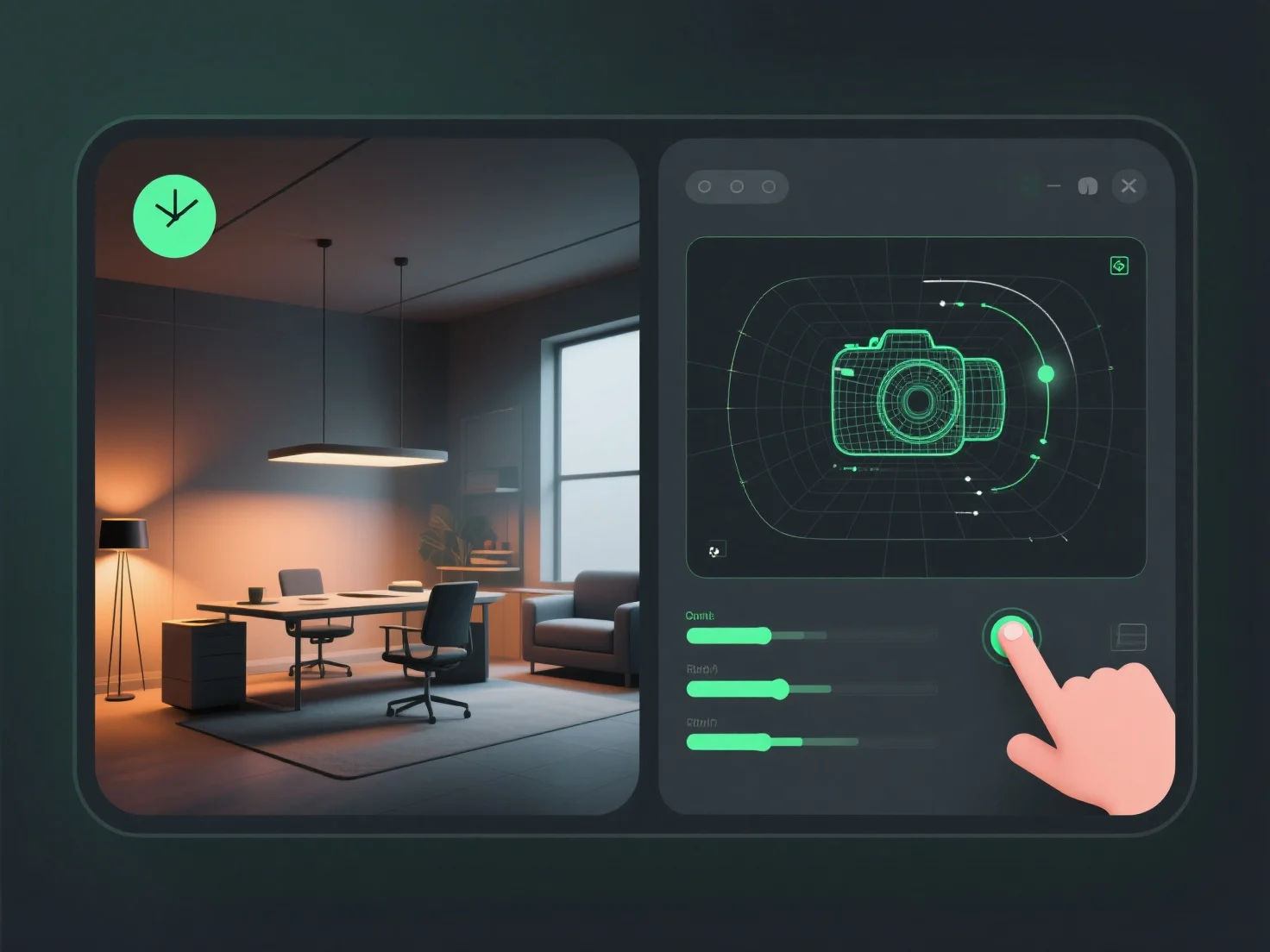
Real-time rendering and offline rendering in 3D workflows differ primarily in their balance of processing speed, visual quality, and typical use cases.
Real-time rendering prioritizes speed, aiming for 30–60 frames per second to enable instant visual feedback. It’s ideal for interactive contexts like video games, VR/AR experiences, or live previews during 3D modeling, sacrificing some detail for immediate results.
Offline rendering focuses on high visual fidelity, using complex calculations and longer processing times to produce photorealistic outputs. It’s used for final deliverables in films, animated movies, or high-resolution still images, prioritizing quality over speed.
Choose real-time for iterative, interactive projects needing instant updates; opt for offline when cinematic-level detail is critical.
