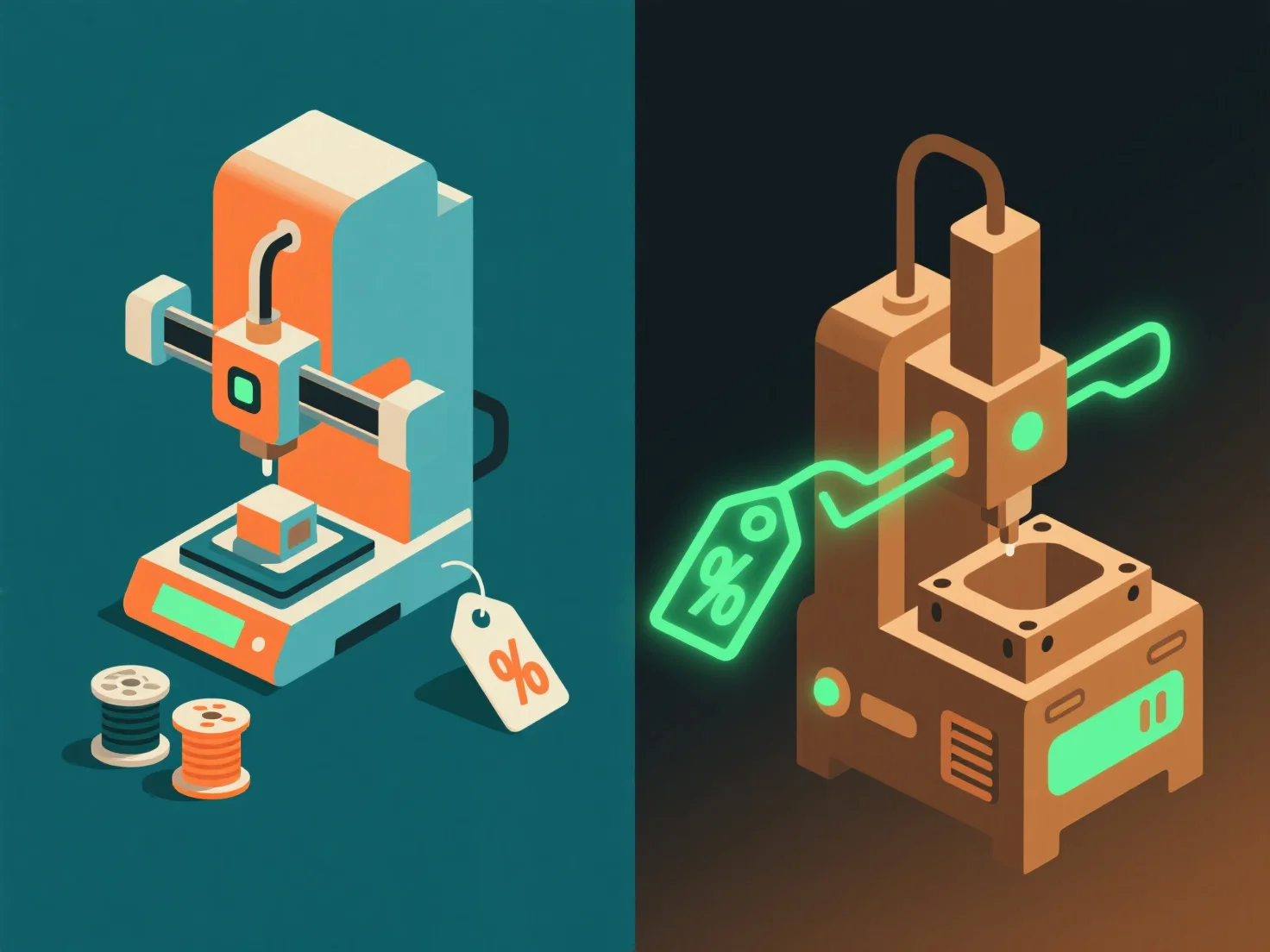
3D printing and traditional manufacturing differ in cost based on production volume, part complexity, and materials.
- 3D printing: Lower upfront costs (no need for tooling like molds or dies), making it cost-effective for small-batch production or parts with intricate designs. - Traditional methods (e.g., injection molding, CNC machining): Excel in large-scale manufacturing, using economies of scale to lower per-unit costs, though they require higher initial tooling investments.
Opt for 3D printing for prototypes, custom small runs, or complex parts; choose traditional manufacturing for mass production to leverage its per-unit cost advantages.