


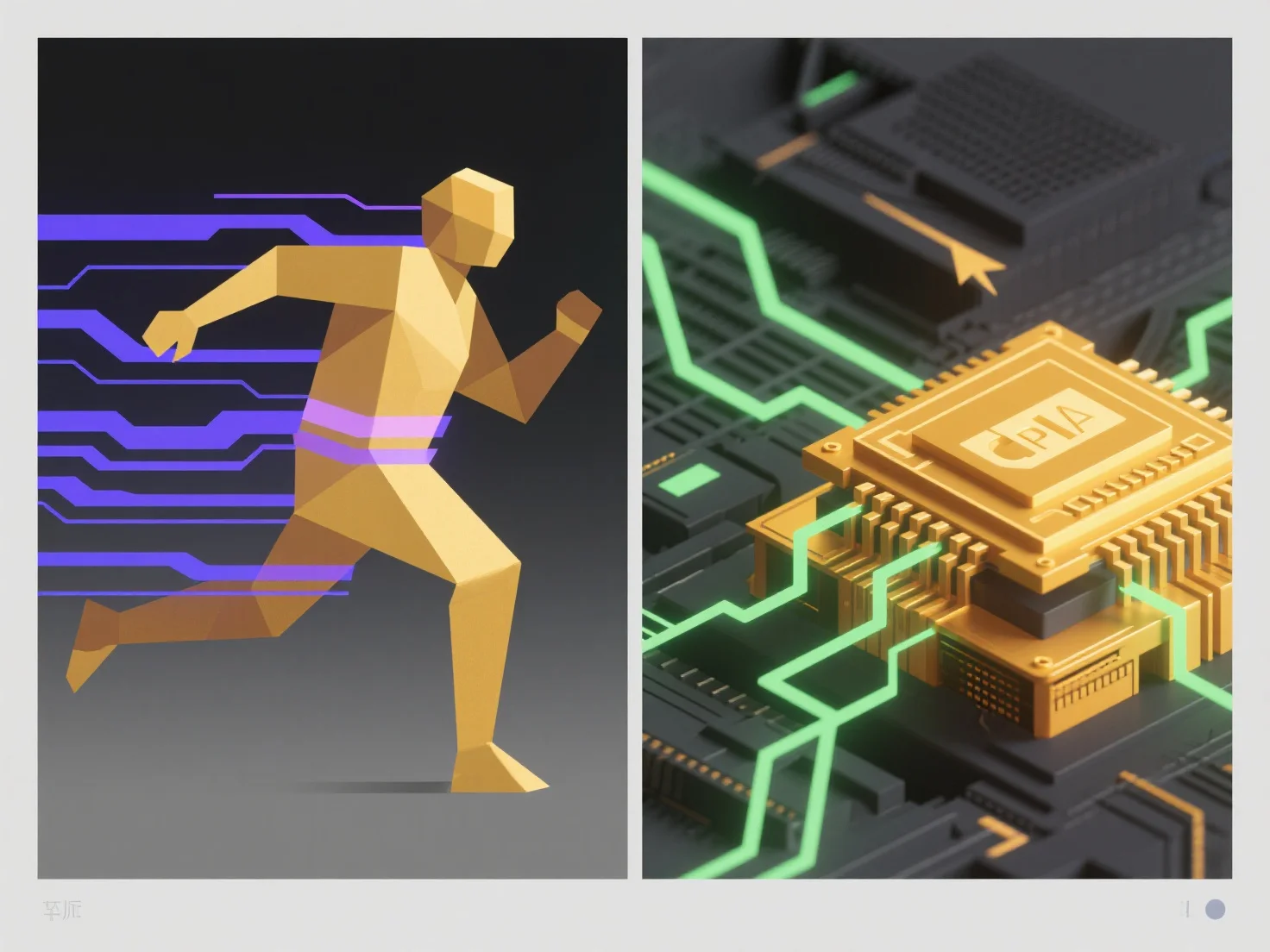
Роль графічного процесора у візуалізації в реальному часі та у візуалізації в автономному режимі відрізняється основним фокусом: візуалізація в реальному часі віддає пріоритет швидкості для миттєвого візуального виводу, тоді як візуалізація в автономному режимі підкреслює обчислювальну потужність для високоякісних, детальних результатів.
У режимі відображення в реальному часі графічний процесор швидко обробляє кадри (зазвичай 30-60 кадрів на секунду), щоб підтримувати інтерактивні додатки, такі як ігри або віртуальна реальність, забезпечуючи плавну взаємодію з користувачем при мінімальній затримці.
У режимі офлайн-рендерингу графічний процесор використовує паралельну обробку для виконання складних розрахунків протягом декількох годин або днів, створюючи високоякісні візуальні ефекти для фільмів, анімацій або архітектурних візуалізацій, де якість важливіша за швидкість.
При виборі графічного процесора надайте пріоритет тактовій частоті та пропускній здатності пам'яті для потреб у режимі реального часу, а також кількості ядер із більшим об'ємом відеопам'яті для офлайн-рендерингу, щоб ефективно справлятися з великими обчислювальними навантаженнями.