


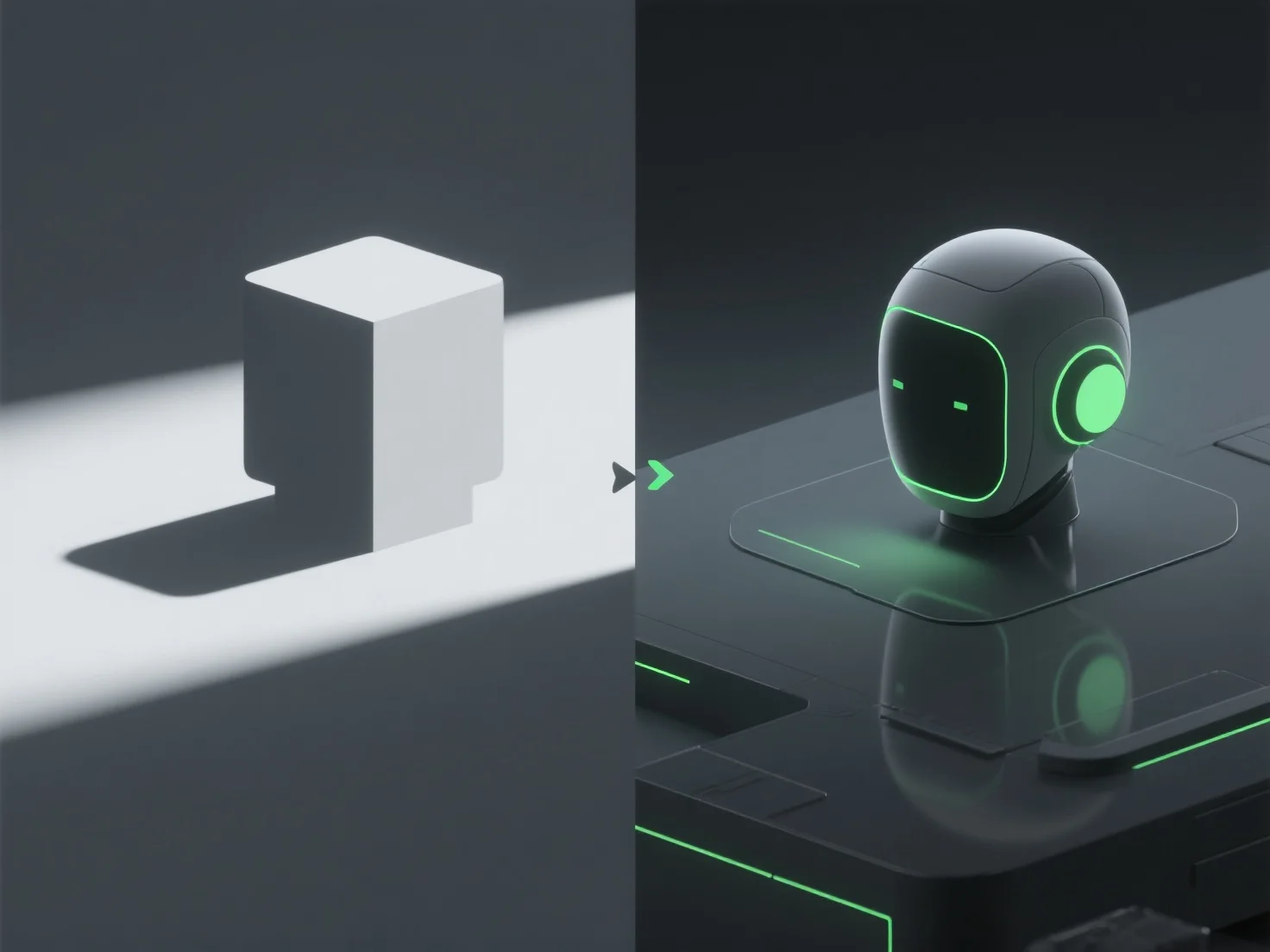
Складність взаємодії світла відрізняється між рендерингом у реальному часі та офлайн-рендерингом, в основному у плані обчислювальної деталізації та реалізму, обмежених вимогами до швидкості та продуктивності.
Візуалізація в реальному часі надає пріоритет інтерактивності.
Офлайн-рендеринг, не обтяжений обмеженнями швидкості в реальному часі, імітує складну поведінку світла.
У підсумку, в режимі реального часу використовуються спрощення для інтерактивності; в автономному режимі використовуються детальні симуляції для фотореалізму.