


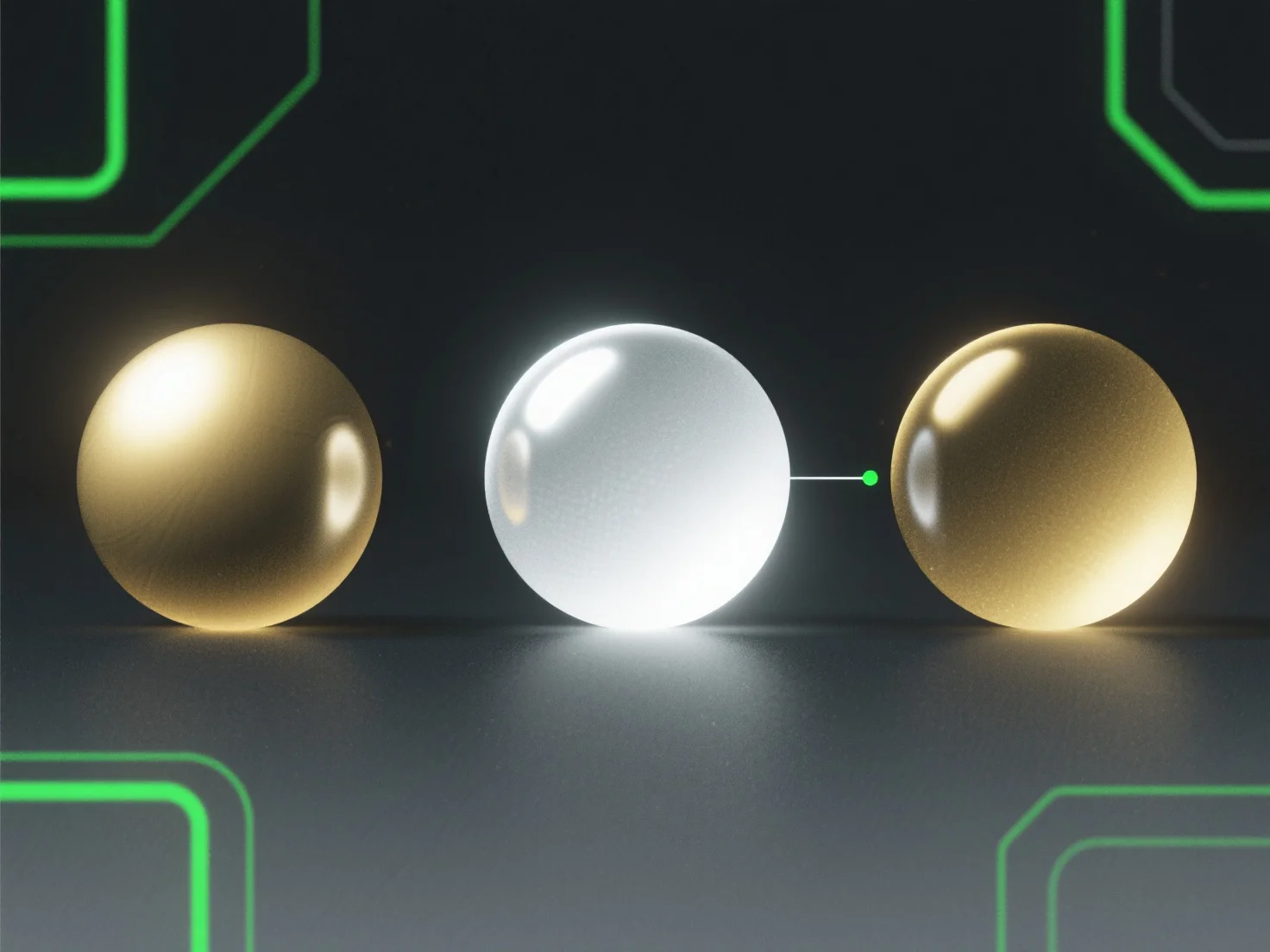
У 3D-дизайні дифузні, спекулярні та амбієнтні матеріали відрізняються в першу чергу поведінкою при відбиванні світла, що безпосередньо впливає на візуальну обробку поверхні.
- Дифузійні матеріали: розсіюють світло рівномірно у всіх напрямках, створюючи матовий, неблискучий вигляд (наприклад, картон, тканина). - Спекулярні матеріали: відображають світло у зосереджених, направлених променях, створюючи яскраві блиски (наприклад, полірована сталь, скло). - Амбієнтні матеріали: імітують непряме, ненаправлене світло, додаючи базову яскравість поверхням навіть без прямого освітлення.
При регулюванні матеріалів орієнтуйтеся на бажаний ефект: для матових поверхонь використовуйте дифузне освітлення, для блискучих — спекулярне, а для стабільного базового сяйва покладайтеся на властивості амбієнтного освітлення.