


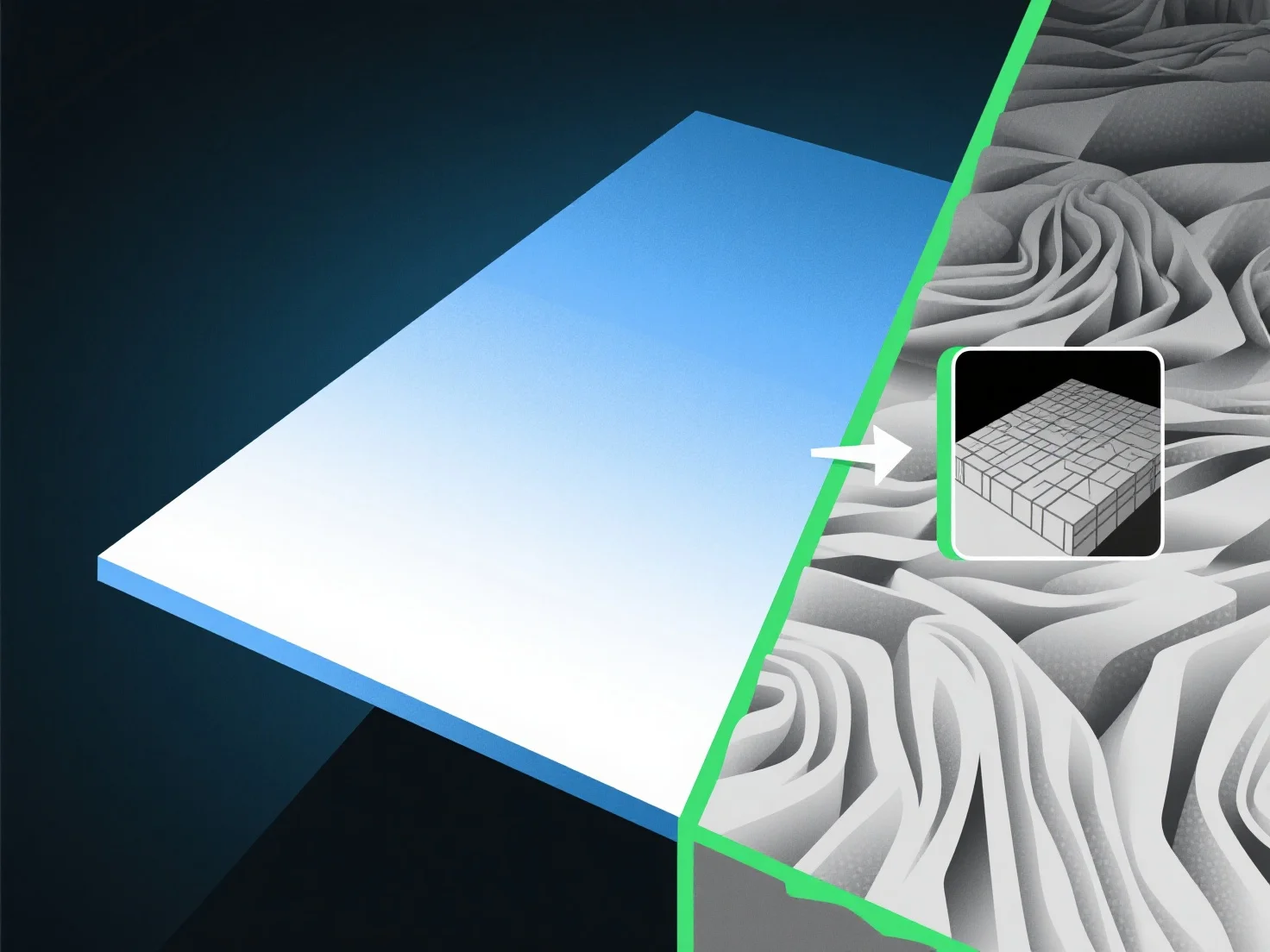
Картографування зміщення в 3D-текстуруванні змінює геометрію поверхні моделі, зміщуючи вершини на основі текстури в сірих тонах, створюючи справжню фізичну глибину.
- **Основна роль**: Він додає відчутний рельєф поверхні, роблячи текстури фізично точними, а не просто візуально переконливими. - **Типові застосування**: Використовується для ландшафтів, каменів або органічних матеріалів у іграх, фільмах і візуалізації продуктів, щоб підвищити реалізм і занурення. - **Ключове міркування**: Вимагає більшої кількості полігонів, щоб гарантувати, що зміщені поверхні виглядають гладкими, на відміну від нормальної картографування, яка працює на моделях з меншою кількістю полігонів.