


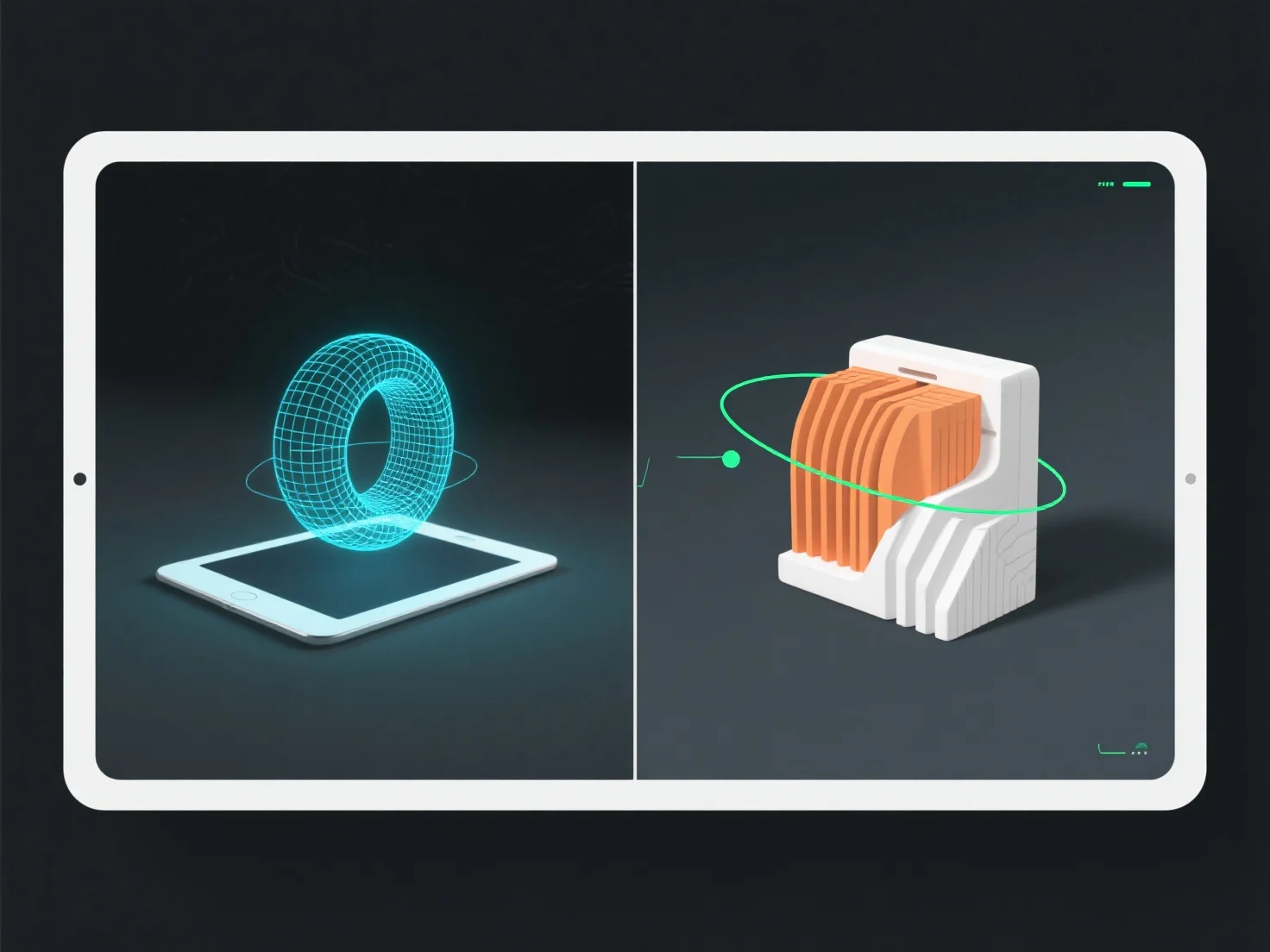
При переході від традиційного 3D-моделювання до 3D-друку виникають унікальні проблеми через фізичну поведінку матеріалу та обмеження виробничого процесу, на відміну від того, що 3D-моделювання фокусується на цифровій геометрії. Ключові відмінності включають: - **Обмеження матеріалу**: такі проблеми, як усадка, деформація або погане зчеплення шарів, можуть поставити під загрозу міцність деталі, що не є проблемою для чисто цифрових моделей. - **Структурні опори**: для висячих конструкцій потрібні тимчасові опори, що призводить до додаткової обробки, яка не потрібна при 3D-моделюванні. - **Компроміс між швидкістю та якістю**: більш швидкий друк часто знижує гладкість поверхні, що є неактуальним для цифрового дизайну.
Щоб пом'якшити ці проблеми, використовуйте програмне забезпечення для слайсінгу, щоб моделювати друкованість і тестувати невеликі прототипи спочатку, об'єднуючи цифровий дизайн і фізичний результат.