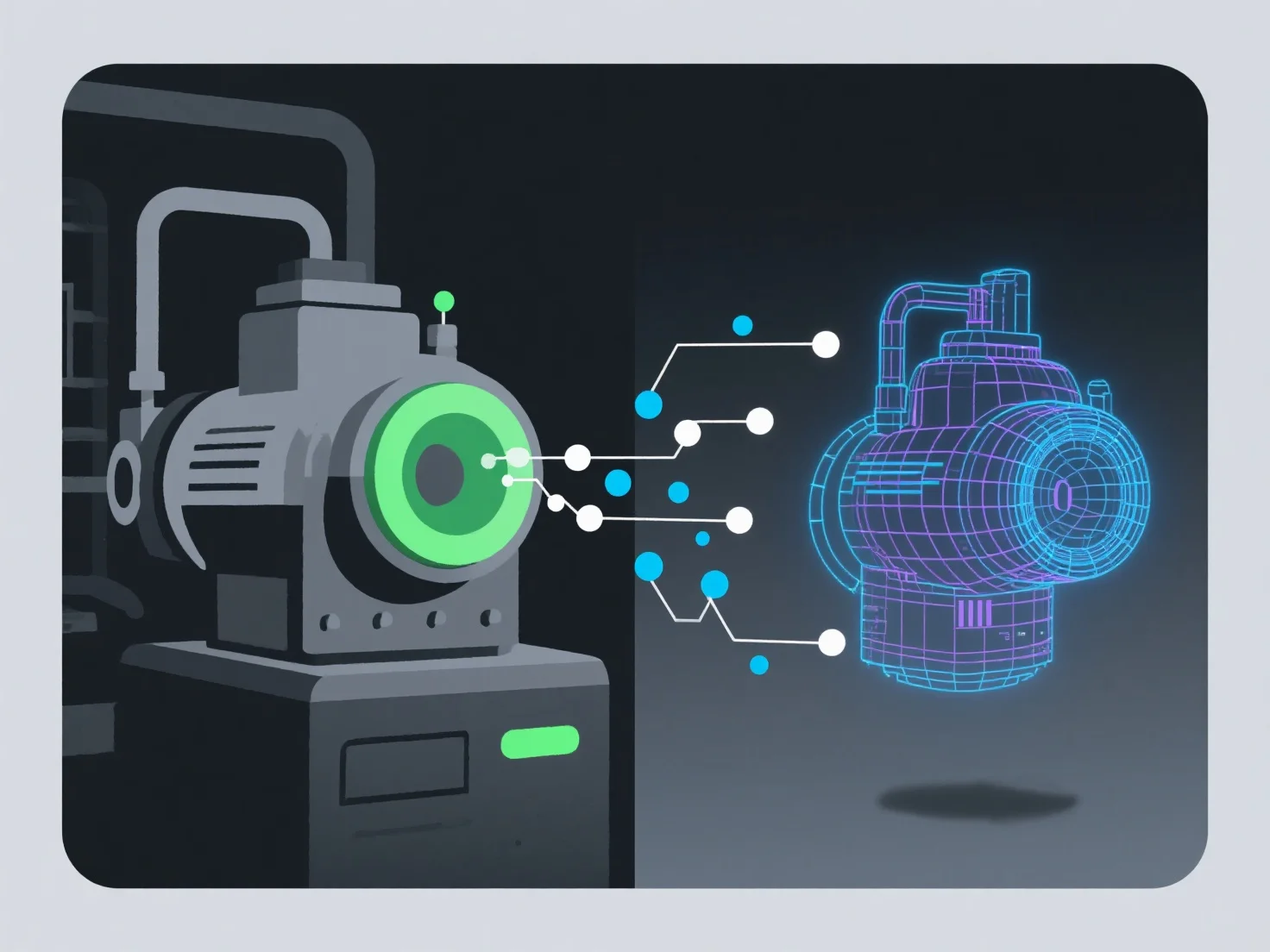
Типові моделі впровадження цифрових двійників зазвичай включають модельний, датоорієнтований та гібридний підходи. Модельний підхід покладається на детальні 3D-моделі та фізичне моделювання для відтворення фізичної поведінки; датоорієнтований підхід надає пріоритет даним датчиків у реальному часі та аналітиці ШІ для прогнозних висновків; гібридний підхід об'єднує обидва підходи для балансування точності та адаптивності. При початку впровадження цифрових двійників організації можуть розглянути можливість початку з модельного підходу для статичних або простих активів, а потім поступово включати елементи датоорієнтованого підходу у міру розвитку мереж датчиків та каналів передачі даних.


Які типові моделі реалізації для цифрових двійників?
Імплементація цифрових двійників включає модел-дрівен, дата-дрівен та гібридні підходи, причому впровадження починається з модел-дрівена, а потім додаються елементи даних.