


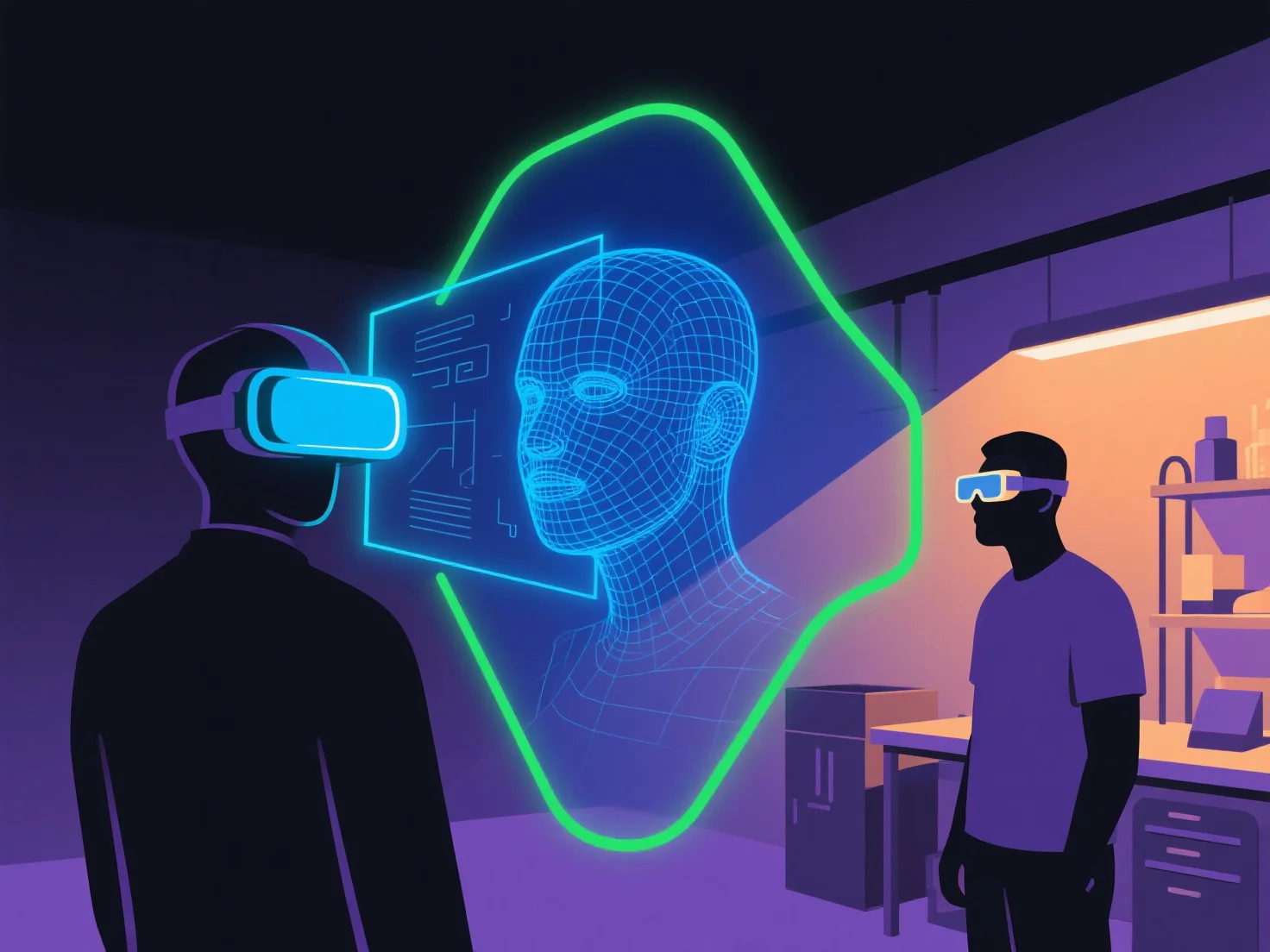
3D-моделювання використовується у рішеннях віртуальної та доповненої реальності для створення основних цифрових ресурсів, таких як 3D-об'єкти, середовища або персонажі, які системи відображають у вигляді захопливих візуальних вражень. Ці моделі є основою для повністю віртуальних світів у віртуальній реальності та накладень на реальний світ у доповненій реальності, забезпечуючи інтерактивну, реалістичну взаємодію користувачів.
- **Основа для занурення**: VR покладається на детальні 3D-моделі для створення повністю віртуальних світів, тоді як AR використовує їх для накладання цифрових елементів на реальність, забезпечуючи візуальну узгодженість між цифровими та фізичними просторами. - **Забезпечення взаємодії**: Моделі підтримують взаємодію користувача, наприклад, маніпулювання об'єктами у VR-іграх або доступ до деталей обладнання у AR-тренуванні, підвищуючи інтерактивність. - **Оптимізація продуктивності**: Низькополігональні моделі мають пріоритет для забезпечення плавного рендерингу, що є критично важливим для підтримки занурення, особливо у початкових прототипах.
Серед поширених застосувань — ігри у віртуальній реальності (інтерактивні середовища), навчання з доповненою реальністю (накладення інформації на обладнання) та віртуальні тури (реалистичні 3D-простори).