


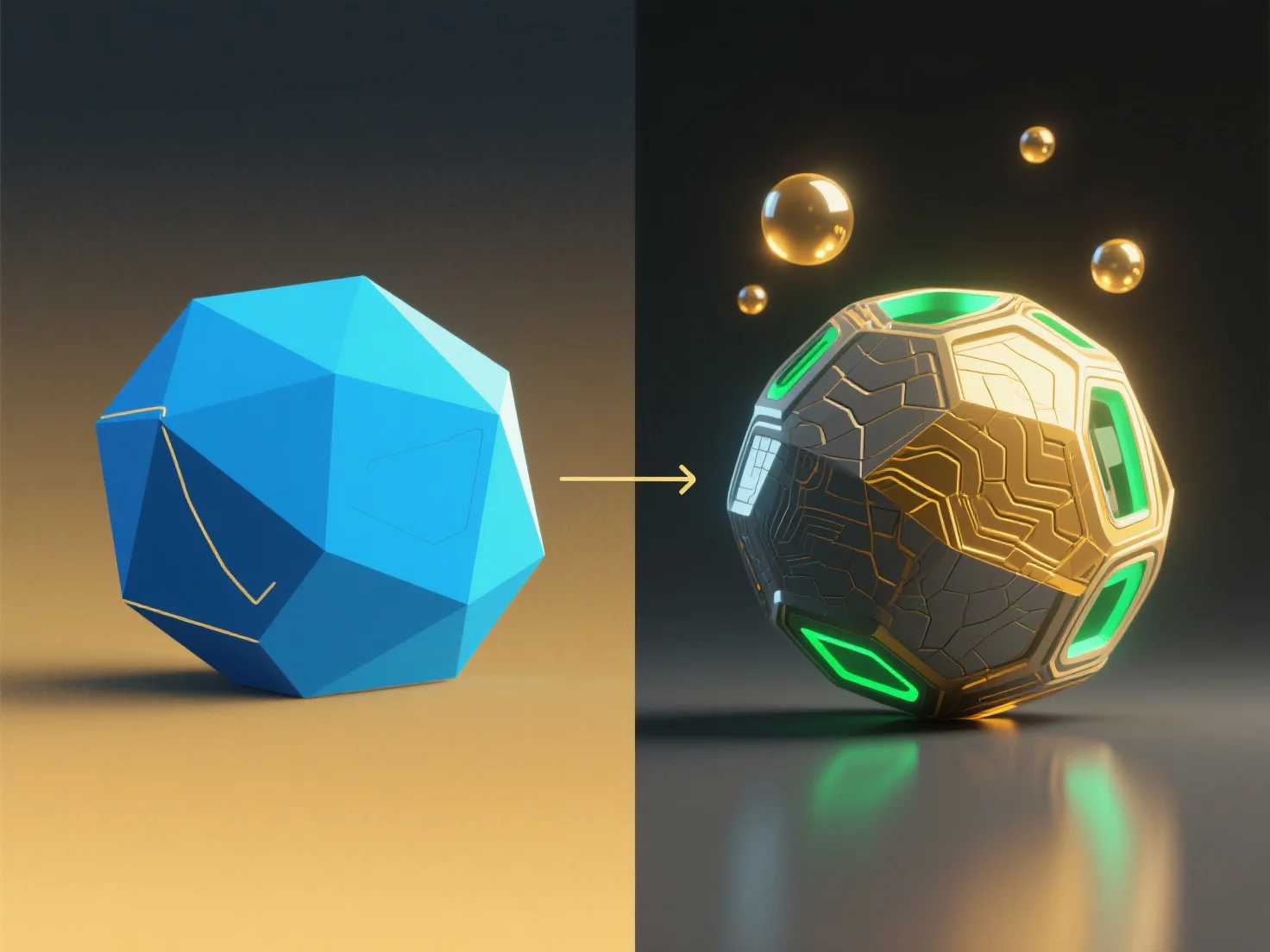
Ключовий компроміс між рендерингом у реальному часі та офлайн-рендерингом полягає в тому, що рендеринг у реальному часі віддає пріоритет швидкості над візуальними деталями, тоді як офлайн-рендеринг жертвує швидкістю заради вищої якості.
Відображення в режимі реального часу, яке використовується в іграх або у режимі попереднього перегляду в реальному часі, залежить від таких оптимізацій, як спрощене освітлення та зменшення кількості полігонів для миттєвої видачі кадрів. Це обмежує деталі, такі як роздільна здатність текстур і складність тіней.
Офлайн-рендеринг, поширений у фільмах або високоякісних анімаціях, не має обмежень щодо часу в реальному режимі. Він може обробляти складні ефекти.
Коротко кажучи, якщо візуальна точність є критично важливою і є час, то офлайн-рендеринг ідеальний; для потреб інтерактивності в реальному часі необхідний реальний рендеринг, незважаючи на зниження якості.