


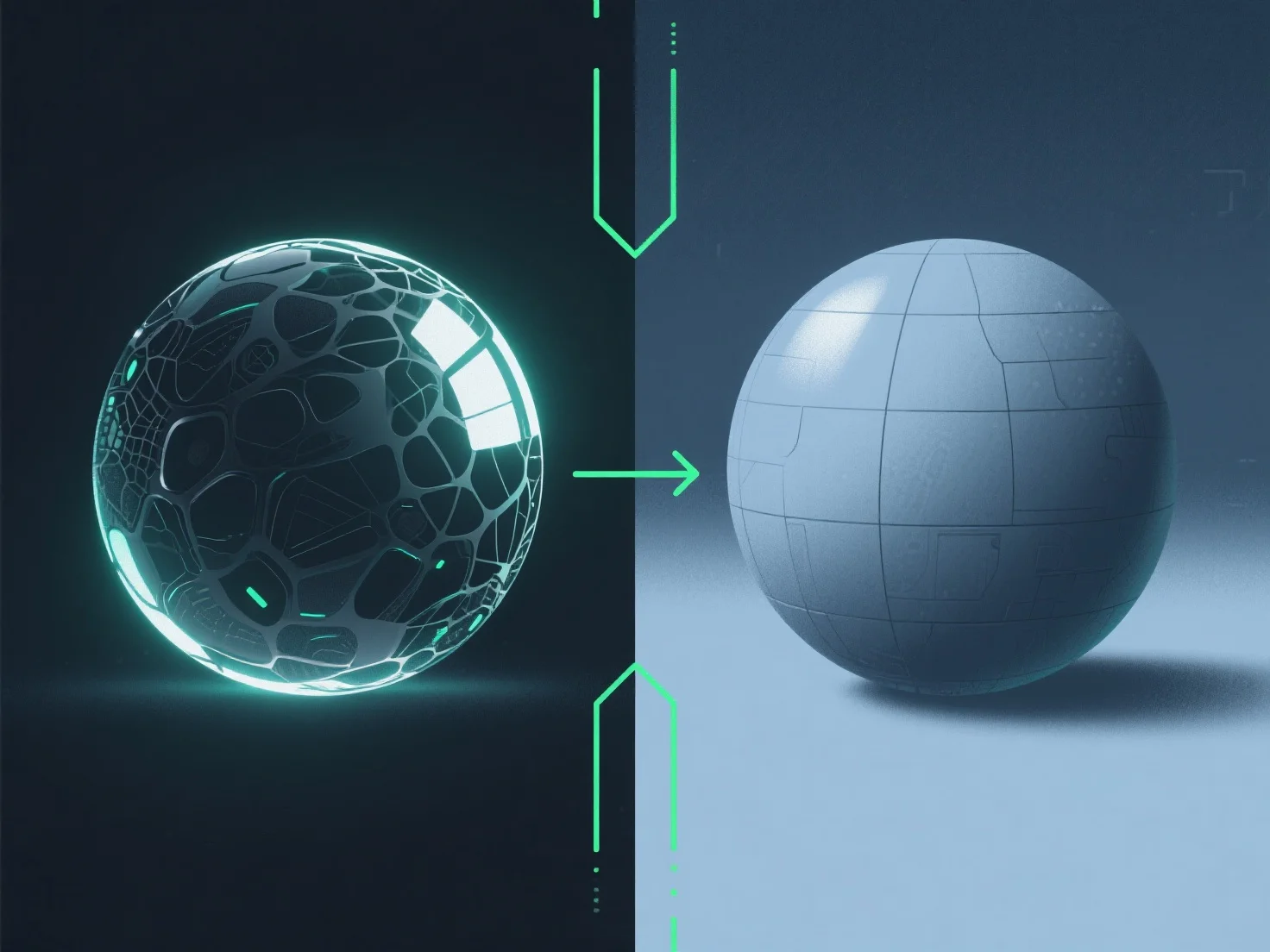
Офлайн-рендеринг обробляє складні матеріали та шейдери, віддаючи пріоритет візуальній точності над швидкістю, що дозволяє проводити більш ресурсоємні розрахунки, ніж у випадку реального часу рендеринга.
Це дозволяє проводити детальні симуляції взаємодії світла, складності текстур і ефектів шейдерів з високою точністю. Наприклад, він може точно обробляти розсіювання в глибині шкіри або багатошарові відбиваючі шейдери.
На відміну від цього, рендеринг у реальному часі часто спрощує їх для підвищення продуктивності, використовуючи такі методи, як запечене освітлення або попередньо обчислені варіанти шейдерів для підтримання частоти кадрів.