


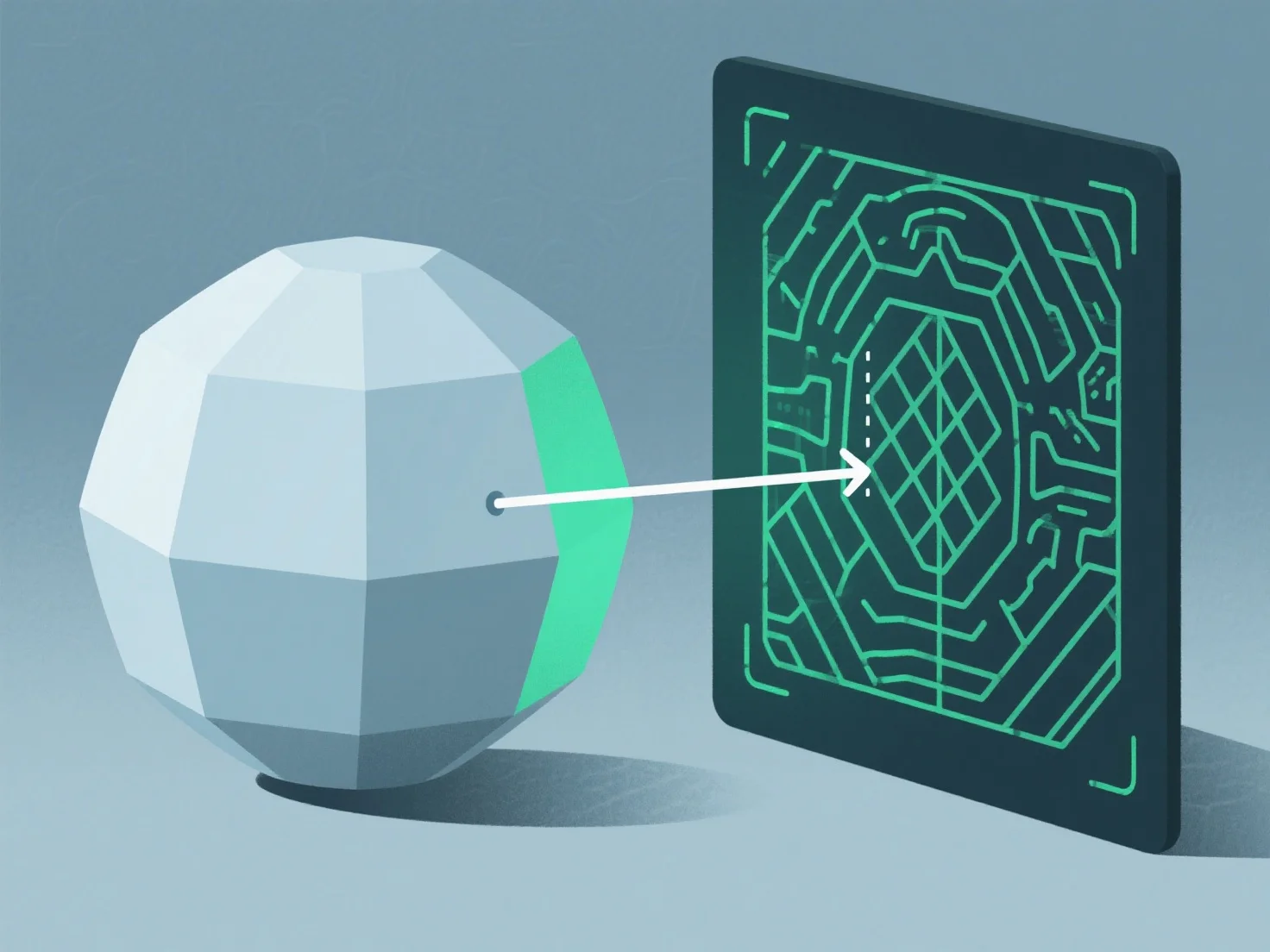
УФ-картографування має вирішальне значення для кінцевого вигляду 3D-моделей, оскільки воно визначає, як 2D-текстури точно проектуються на 3D-поверхні, виступаючи в ролі мосту між 2D-текстурними зображеннями та 3D-геометрією.
- Запобігає спотворенню: забезпечує, щоб текстури (наприклад, візерунки, логотипи) не розтягувалися або не розмивалися, зберігаючи природні пропорції та реалізм. - Вирівнює деталі: відповідає елементам текстури формі моделі, таким як тканинні переплетення на одязі або зернистість поверхні на продуктах, для точного розміщення деталей. - Підвищує узгодженість: забезпечує однорідне застосування текстури на всій моделі, уникаючи невідповідних швів і роблячи рендери виглядати витончено.
Коротко кажучи, правильне УФ-картографування забезпечує природне розташування текстур, допомагає уникнути спотворень і узгодити деталі, що є ключем до реалістичного, візуально злагодженого фінального вигляду 3D-моделей.