


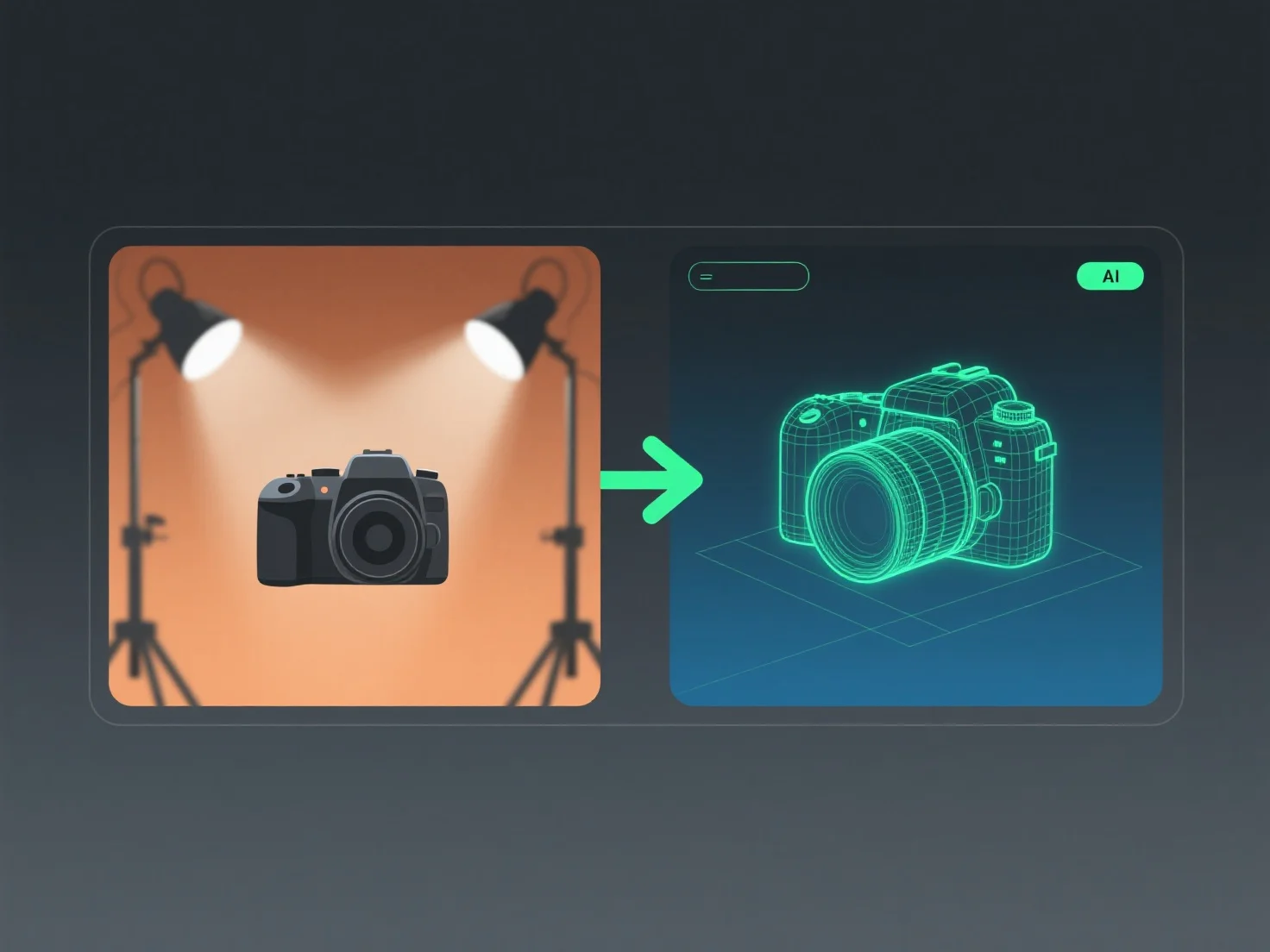
Презентація 3D-моделі та фотографії фізичного продукту відрізняються в першу чергу гнучкістю, інтерактивністю та довгостроковою адаптивністю.
3D-моделі забезпечують динамічні кути перегляду, налаштування освітлення на замовлення та інтерактивне дослідження.
Однак фізична фотографія пропонує негайні, реалістичні результати з нижчими витратами на початкову настройку, що ідеально підходить для статичних, одноразових дисплеїв.
У підсумку, 3D-моделі відрізняються адаптивністю та інтерактивністю, тоді як фізичні фото підходять для простоти та швидких, статичних презентацій.