


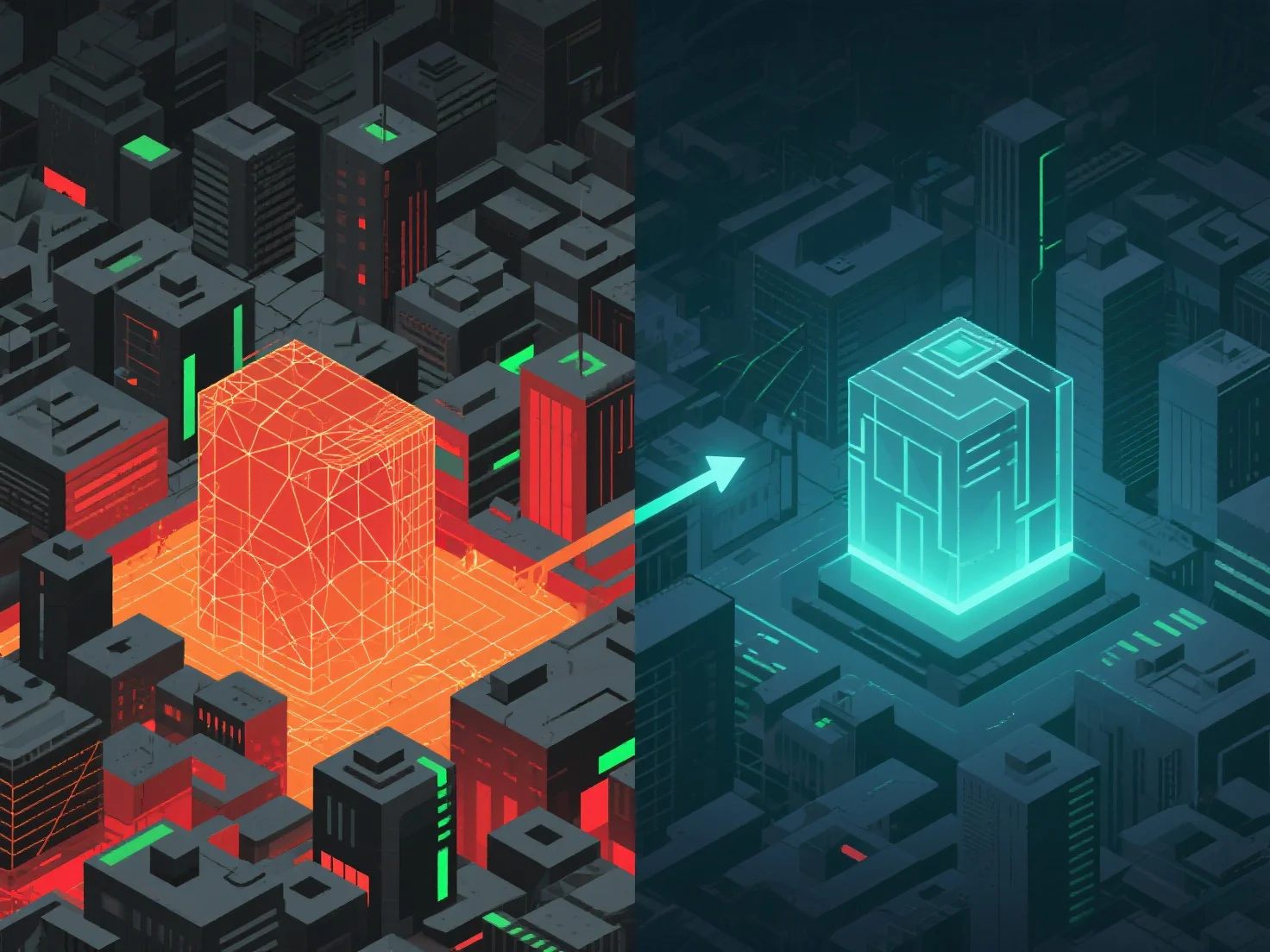
Щоб вирішити проблему з продуктивністю та часом рендеринга у складних 3D-сценах, основні стратегії включають оптимізацію геометрії.
Ключові техніки розбиваються на: - **LOD**: Зменшує кількість полігонів для віддалених об'єктів, динамічно регулюючи деталізацію в залежності від відстані до камери. - **Occlusion culling**: Приховує елементи за межами екрану або заблоковані елементи, відображаючи лише видимі частини сцени. - **Компресія текстур**: Знижує використання пам'яті, стискаючи текстури без значної втрати якості зображення. - **Спрощення шейдерів**: Оптимізує шейдери для менш вимогливого обладнання, зменшуючи навантаження на рендеринг.
Для постійних проблем спочатку надайте пріоритет LOD і маскуванню об'єктів, а потім використовуйте інструменти профілювання, щоб визначити вузькі місця для цільової оптимізації.