Home/Hitem3D FAQ/How do file format standards affect 3D model adaptation across different applications?

How do file format standards affect 3D model adaptation across different applications?

File format standards affect 3D model adaptation via compatibility, data integrity, usability; unified ones preserve data, accepted formats simplify adaptation.

How do file format standards affect 3D model adaptation across different applications?

File format standards directly impact 3D model adaptation across applications by determining compatibility, data integrity, and usability.

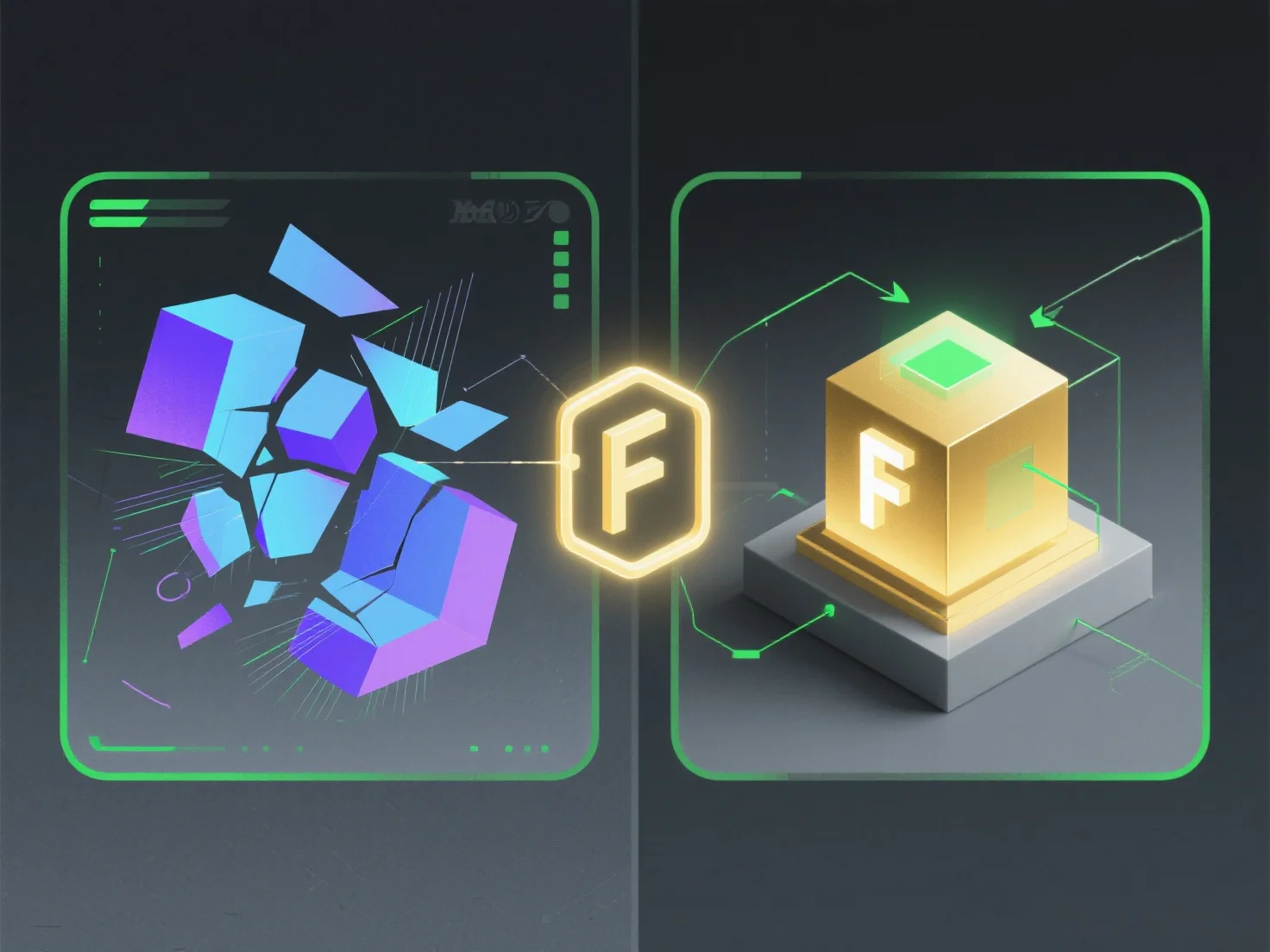
Inconsistent standards often cause issues: They may lead to data loss (e.g., missing textures or animations) or compatibility errors, making models unopenable or distorted when transferred between tools.

Unified standards, however, preserve key data (geometry, materials, animations) during transfer, ensuring models remain editable, viewable, or usable across diverse applications like CAD software, game engines, or AR/VR platforms.

To simplify adaptation, using widely accepted formats (e.g., FBX, OBJ, GLB) is key, as they balance compatibility and feature support across most tools.

PreviousNext
Продукт
Веб-студія
API платформа
Функції
Зображення в 3D
Багатоперегляд у 3D
Рельєф
Сегментація
Моделі
Загальна модель
Портретна модель
Ресурси
Блог
FAQ
API документація
Про нас
Ціни