


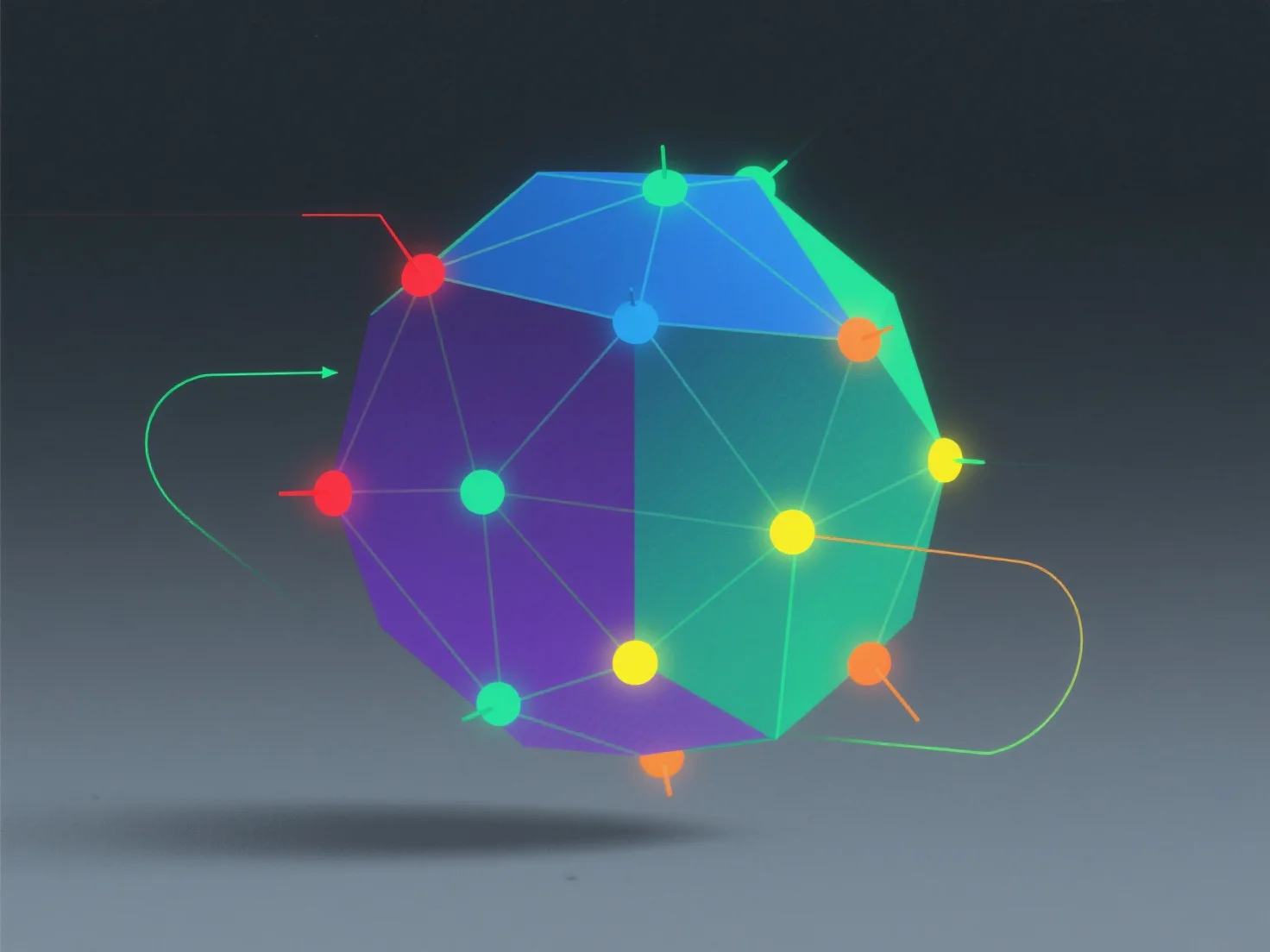
Кольори вершин у 3D-активах — це кольорові значення, присвоєні окремим вершинам, які рендерери інтерполюють по поверхнях полігонів, щоб створити плавні переходи кольорів або локалізовані деталі.
- **Основний механізм**: Кожна вершина містить колірні дані RGB (а іноді і альфа). Під час рендерингу ці значення змішуються на поверхні полігона, створюючи градієнти або певні колірні зони на основі положення вершин. - **Основні застосування**: Часто використовуються в малюванні вершин для базових відтінків, непомітних змін поверхні (наприклад, бруд, високі світлові ефекти) або стилізованого мистецтва. Вони зменшують залежність від текстур високої роздільної здатності, роблячи активи легшими для застосувань у режимі реального часу. - **Вплив на рендеринг**: Щільність вершин впливає на плавність кольорів. Ближчі вершини створюють більш тонкі градієнти, тоді як розріджені вершини можуть призвести до нерівномірних переходів кольорів.
Кольори вершин пропонують ефективний і гнучкий спосіб додавання кольорових деталей, балансуючи візуальну якість і продуктивність ресурсів.